 Breaking News & Live Updates
- Breaking News & Live Updates
- Breaking News & Live Updates
- Breaking News & Live Updates
- Breaking News & Live Updates
- Breaking News & Live Updates
- Breaking News & Live Updates
- Breaking News & Live Updates
- Breaking News & Live Updates
- Breaking News & Live Updates
Podcast Production for Medical Students: An Active Learning Approach
A recent German study delved into the effectiveness of different podcast engagement methods for medical student education. Researchers compared how well students retained information when they actively created podcasts versus when they simply listened to pre-existing ones. This investigation aimed to determine if active participation in content creation could lead to superior learning outcomes compared to passive consumption.
Podcasts, characterized as digital audio series, offer a versatile platform for information dissemination across various subjects, from current events to academic disciplines. Their accessibility allows individuals to engage with content during diverse activities, making them a popular tool for continuous learning and personal development. Educational podcasts, in particular, simplify complex topics, fostering deeper understanding and connection within communities of interest.
The study, involving 86 fifth-year medical students during their pediatrics internship, utilized a crossover design. Students produced a podcast on one assigned topic (e.g., atrial septal defect) and listened to a podcast on another (e.g., ventricular septal defect), with topics reversed for a second group. This active versus passive learning comparison, followed by an exam, was designed to assess knowledge acquisition. The findings revealed that one group exhibited better retention for the topic they actively produced. However, the second group showed comparable knowledge levels for both produced and listened-to content, leading to an ambiguous overall conclusion. The proximity of the learning activities to the final examination also appeared to influence knowledge retention.
While the study contributes valuable insights into active learning, its design, particularly the timing of knowledge assessments relative to a comprehensive final exam, may have obscured clearer distinctions between the learning methods. Additionally, the inclusion of active questioning after passive listening sessions might have inadvertently diluted the differences between truly active and passive learning experiences. Future research could further explore these nuances to refine our understanding of effective pedagogical approaches in medical training.
Other Articles
 Apr 23, 2026
The Lasting Impact of Emotional Touch on Memory
A new study unveils a comprehensive neurobiological model explaining why emotionally significant touch leaves enduring imprints on the mind. This "embodied memory" hypothesis suggests that such experiences are stored through a complex interaction between sensory signals and emotional brain networks, leading to a partial re-creation of the physical and emotional states during recall, unlike other sensory memories. Early life tactile interactions are highlighted as crucial for shaping safety perceptions and social bonds.
 Apr 23, 2026
Do Therapy Dogs Enjoy Their Work?
Therapy dogs are increasingly popular for human well-being, reducing stress in various settings. While their impact on humans is well-researched, the dogs' own experiences are often overlooked. Recent research explores therapy dogs' affective states during sessions, highlighting the importance of considering their welfare in animal-assisted interventions.
 Apr 21, 2026
Precommitment Enhances Healthy Food Choices Under Stress, Study Reveals
A study involving psychology students revealed that stress increased their inclination towards less healthy but more palatable food options. However, precommitment to healthy choices effectively countered this tendency. The research, published in Psychoneuroendocrinology, highlights the potential of precommitment as a strategy for maintaining healthy eating habits even in stressful situations, although participants generally favored tastier, less healthy foods.
 Apr 20, 2026
Cultural Influences on Emotional Regulation Techniques
A recent meta-analysis published in Nature Human Behaviour in 2025 highlights how the effectiveness of emotional regulation strategies, specifically suppression and reappraisal, varies significantly across different cultures. Challenging traditional Western-centric psychological research, the study, encompassing over 150,000 participants from 37 countries, reveals that cultural values and societal contexts profoundly impact how these techniques reduce psychopathology and enhance well-being. This research underscores the need for a nuanced, culturally sensitive approach to understanding and applying emotional regulation in diverse populations.
 Apr 20, 2026
The Positive Impact of Fandom on Mental Well-being
The return of global music sensation BTS has sparked renewed interest in the psychological benefits of fan communities. Beyond economic and cultural influence, being a K-pop fan, and particularly an ARMY, is linked to increased happiness, self-esteem, and a broader sense of global identity. This article explores how fan connections, rather than idol worship, significantly contribute to mental health.
 Apr 20, 2026
Psychedelic Healing: Psilocybin's Role in Mental Health Treatment
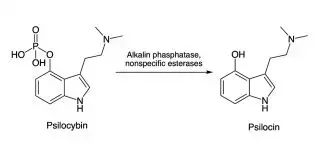
Psilocybin, a compound found in certain mushrooms, is gaining recognition as a potential treatment for challenging psychiatric conditions. Historically used in indigenous healing practices, modern research indicates its effectiveness in addressing disorders such as OCD, PTSD, and major depression. The FDA has acknowledged its promise, granting 'Breakthrough Therapy' status for depression treatments. While promising, further research and refined clinical protocols are necessary to fully integrate psilocybin into mainstream medicine.