 Breaking News & Live Updates
- Breaking News & Live Updates
- Breaking News & Live Updates
- Breaking News & Live Updates
- Breaking News & Live Updates
- Breaking News & Live Updates
- Breaking News & Live Updates
- Breaking News & Live Updates
- Breaking News & Live Updates
- Breaking News & Live Updates
The Lasting Impact of Emotional Touch on Memory
New research provides a groundbreaking understanding of why certain tactile experiences, particularly those imbued with emotion, create enduring memories. This novel neurobiological model, focusing on what is termed 'affective tactile memory', posits that the brain uniquely processes and stores these interactions, distinguishing them from fleeting sensory perceptions. The core idea is that emotionally significant touch is not merely recorded as an event but becomes an 'embodied memory', capable of reactivating the original physical and emotional sensations upon recall.
The investigation, spearheaded by Dr. Laura Crucianelli from Queen Mary University of London, Dr. Federica Meconi of the University of Trento, and Henrik Bischoff from Sigmund Freud University, Vienna, consolidates decades of findings across neuroscience, psychology, and clinical science. Their work highlights that while we might quickly forget the sensation of a casual handshake, the warmth of a comforting embrace can resonate for a lifetime. This distinction arises because affective touch, unlike purely discriminative touch (which identifies textures), engages specialized neural pathways connected to reward, emotional processing, and the body's regulatory systems.
A central tenet of this research is the concept of embodied recall. When a person recollects a meaningful touch, the brain may, to some extent, re-create the physical sensation within the body itself. This mechanism endows these memories with their unique power and persistence, setting them apart from visual or auditory memories that are typically recalled as mental images or sounds without the same physical re-experiencing. This suggests that the memory of touch is intrinsically linked to bodily states, rather than existing solely as abstract representations in the brain.
The researchers further emphasize the profound influence of early tactile experiences. For instance, the gentle touch a baby receives from a parent plays a critical role in shaping the brain's memory systems, contributing to an individual's sense of safety and their capacity to form social connections throughout life. These foundational interactions lay a blueprint for emotional well-being and social bonding, underscoring the long-term developmental impact of affective touch.
Beyond its implications for fundamental neuroscience, this framework offers crucial insights into various mental health conditions. Disorders characterized by altered touch processing or emotional memory, such as certain attachment disorders or post-traumatic stress disorder (PTSD), could be better understood and potentially treated through the lens of affective tactile memory. The findings reinforce the idea that human connection, deeply rooted in physical experience, is vital for resilience and overall well-being, providing a timely reminder of the importance of skin-to-skin interaction in an increasingly digital world.
Ultimately, this research underscores that a comforting touch is more than a fleeting moment; it becomes an integral part of our emotional and psychological makeup. The brain's intricate network ensures that these emotionally charged tactile experiences are stored in ways that profoundly influence our perceptions of safety, our relationships with others, and our emotional lives across our entire lifespan. The study opens new avenues for exploring how early life experiences continue to shape who we become, highlighting the lasting power of physical connection.
Other Articles
 Apr 23, 2026
Do Therapy Dogs Enjoy Their Work?
Therapy dogs are increasingly popular for human well-being, reducing stress in various settings. While their impact on humans is well-researched, the dogs' own experiences are often overlooked. Recent research explores therapy dogs' affective states during sessions, highlighting the importance of considering their welfare in animal-assisted interventions.
 Apr 21, 2026
Precommitment Enhances Healthy Food Choices Under Stress, Study Reveals
A study involving psychology students revealed that stress increased their inclination towards less healthy but more palatable food options. However, precommitment to healthy choices effectively countered this tendency. The research, published in Psychoneuroendocrinology, highlights the potential of precommitment as a strategy for maintaining healthy eating habits even in stressful situations, although participants generally favored tastier, less healthy foods.
 Apr 20, 2026
Cultural Influences on Emotional Regulation Techniques
A recent meta-analysis published in Nature Human Behaviour in 2025 highlights how the effectiveness of emotional regulation strategies, specifically suppression and reappraisal, varies significantly across different cultures. Challenging traditional Western-centric psychological research, the study, encompassing over 150,000 participants from 37 countries, reveals that cultural values and societal contexts profoundly impact how these techniques reduce psychopathology and enhance well-being. This research underscores the need for a nuanced, culturally sensitive approach to understanding and applying emotional regulation in diverse populations.
 Apr 20, 2026
The Positive Impact of Fandom on Mental Well-being
The return of global music sensation BTS has sparked renewed interest in the psychological benefits of fan communities. Beyond economic and cultural influence, being a K-pop fan, and particularly an ARMY, is linked to increased happiness, self-esteem, and a broader sense of global identity. This article explores how fan connections, rather than idol worship, significantly contribute to mental health.
 Apr 20, 2026
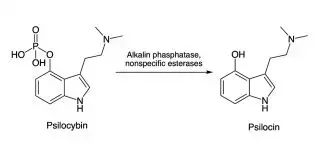
Psychedelic Healing: Psilocybin's Role in Mental Health Treatment
Psilocybin, a compound found in certain mushrooms, is gaining recognition as a potential treatment for challenging psychiatric conditions. Historically used in indigenous healing practices, modern research indicates its effectiveness in addressing disorders such as OCD, PTSD, and major depression. The FDA has acknowledged its promise, granting 'Breakthrough Therapy' status for depression treatments. While promising, further research and refined clinical protocols are necessary to fully integrate psilocybin into mainstream medicine.
 Apr 19, 2026
Understanding the Daily Fluctuations of Mental Acuity and Its Impact on Productivity
A recent study from the University of Toronto Scarborough delves into the phenomenon of daily variations in mental sharpness, revealing its significant influence on productivity. The research quantifies this impact, showing that mental clarity is a dynamic biological state, not merely a matter of effort. It highlights how these daily shifts can lead to substantial differences in goal-setting and completion, underscoring the importance of factors like sleep and emotional well-being.