 Breaking News & Live Updates
- Breaking News & Live Updates
- Breaking News & Live Updates
- Breaking News & Live Updates
- Breaking News & Live Updates
- Breaking News & Live Updates
- Breaking News & Live Updates
- Breaking News & Live Updates
- Breaking News & Live Updates
- Breaking News & Live Updates
Psychedelic Healing: Psilocybin's Role in Mental Health Treatment
Emerging research highlights the therapeutic potential of psilocybin, an active compound in certain fungi, for treating various psychiatric conditions that have historically been difficult to manage. Indigenous cultures have long utilized these mushrooms in healing rituals, and contemporary science is now exploring their medicinal applications, particularly for obsessive-compulsive disorder (OCD), post-traumatic stress disorder (PTSD), and significant depressive episodes. The Food and Drug Administration (FDA) has even recognized psilocybin's potential by granting it "Breakthrough Therapy" status for certain types of depression, signaling a shift in how mental health conditions might be addressed.
The mechanism through which psilocybin affects the brain involves its conversion into psilocin, which then interacts with serotonin receptors, primarily 5-HT2A. This interaction leads to altered perceptions, thought patterns, and a modified sense of self, while also disrupting rigid neural connections often associated with psychiatric disorders. Notably, psilocybin appears to modulate the Default Mode Network (DMN), a brain region implicated in rumination and habitual thinking. By temporarily resetting this network, psilocybin fosters increased neuroplasticity and psychological receptiveness, leading to potentially lasting therapeutic effects. Recent clinical studies underscore these benefits, showing promising results in trials for OCD, where a significant number of participants experienced symptom reduction or even remission, and for PTSD, where a single dose led to rapid and sustained improvements.
Despite the growing body of evidence supporting psilocybin's efficacy, several challenges remain before it can be widely adopted as a prescribed medicine. The administration of psilocybin therapy demands a specialized clinical environment, involving thorough patient screening, supervised dosing sessions lasting several hours, and often integration with psychotherapy. This model necessitates the development of comprehensive training, credentialing standards, and clear operational guidelines. Additionally, most studies conducted thus far have involved relatively small participant groups, and the effectiveness of blinding in psychedelic trials is often compromised. Future larger-scale, long-term studies are essential to fully ascertain the safety of repeated psilocybin use in clinical populations and to navigate the complex regulatory pathways for its approval.
This novel approach to mental health treatment offers a profound shift from conventional daily medication regimens. Instead of symptom management through continuous drug intake, psilocybin therapy aims to catalyze deep psychological transformations through a limited number of guided sessions. For individuals who have endured persistent symptoms despite trying numerous traditional treatments, psilocybin presents a scientifically supported and hopeful alternative, paving the way for a new era of mental well-being and psychological resilience.
Other Articles
 Apr 19, 2026
Understanding the Daily Fluctuations of Mental Acuity and Its Impact on Productivity
A recent study from the University of Toronto Scarborough delves into the phenomenon of daily variations in mental sharpness, revealing its significant influence on productivity. The research quantifies this impact, showing that mental clarity is a dynamic biological state, not merely a matter of effort. It highlights how these daily shifts can lead to substantial differences in goal-setting and completion, underscoring the importance of factors like sleep and emotional well-being.
 Apr 18, 2026
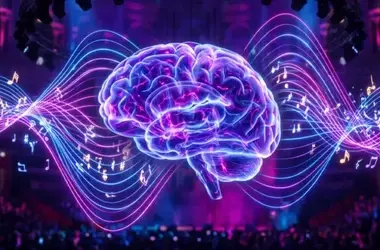
The Neurological Impact of Live Music: Brain Synchronization and Enhanced Engagement
A new study reveals that live music performances cause brain waves to synchronize more intensely with musical rhythms compared to recorded music. This heightened synchronization correlates with increased pleasure and engagement, offering a biological explanation for the unique appeal of concerts. The research, conducted with musically trained participants, highlights how the live context enhances neural entrainment, particularly for fast-paced music, suggesting implications for therapeutic environments.
 Apr 17, 2026
Exercise: A Natural Stress Reducer
A year-long clinical trial has unveiled the profound impact of regular aerobic exercise on stress biology. Researchers discovered that engaging in just 150 minutes of moderate-to-vigorous physical activity per week significantly reduces long-term cortisol levels, the body's primary stress hormone. This pioneering study establishes a direct cause-and-effect link, highlighting exercise as a powerful tool not only for immediate relaxation but also for enhancing mental resilience and slowing brain aging. It suggests that meeting recommended exercise guidelines can serve as a vital medical intervention against the biological underpinnings of stress.
 Apr 16, 2026
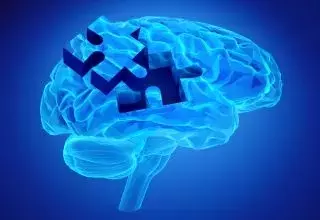
Three Daily Habits for Dementia Prevention
A recent meta-analysis underscores the importance of a multi-faceted approach to brain health. Engaging in consistent physical activity, minimizing prolonged sedentary behavior, and maintaining an optimal sleep schedule are crucial for reducing dementia risk, particularly when these habits are established during midlife. This comprehensive strategy offers a more effective defense against cognitive decline than any single intervention.
 Apr 15, 2026
The Profound Link Between Sacred Spaces and Mental Well-being
A recent study highlights the significant positive impact of feeling a spiritual connection to specific physical locations on mental health, acting as a protective factor against stress and loneliness. This connection can be found in diverse environments, from natural landscapes to personal altars at home, suggesting that any place imbued with personal meaning can foster well-being.
 Apr 14, 2026
The Uncomfortable Truth: Doubt as the Catalyst for Deep Thinking
New research suggests that uncomfortable feelings of doubt act as a crucial trigger, pushing individuals away from intuitive shortcuts and towards more rigorous, analytical thought processes. This emotional alarm system ensures that when initial gut reactions prove insufficient, the brain invests the necessary mental energy for deeper deliberation. The findings, published in 'Thinking & Reasoning', shed light on the emotional underpinnings of complex cognitive shifts.