 Breaking News & Live Updates
- Breaking News & Live Updates
- Breaking News & Live Updates
- Breaking News & Live Updates
- Breaking News & Live Updates
- Breaking News & Live Updates
- Breaking News & Live Updates
- Breaking News & Live Updates
- Breaking News & Live Updates
- Breaking News & Live Updates
Do Therapy Dogs Enjoy Their Work?
Therapy dogs are increasingly used to support human well-being in diverse environments, from hospitals and university campuses to after-school programs and police detachments. These interventions are often lauded as a cost-effective, accessible, and destigmatized method for enhancing human welfare. A growing body of research confirms the positive effects of these interactions, with stress reduction being the most frequently observed outcome. Many studies show a notable decrease in stress levels for individuals after engaging with a therapy dog and its handler.
Despite the clear benefits for humans, there has been a gap in research exploring the perspective and emotional states of the therapy dogs themselves. A recent study by Haven-Pross and colleagues addresses this oversight by examining the affective responses of therapy dogs during animal-assisted services. The researchers acknowledge that dogs are sentient beings capable of experiencing a wide range of emotions, including fear, joy, and comfort. Their study analyzed the behavioral indicators of 63 therapy dogs across 837 sessions, using video recordings and a specially developed canine behavioral ethogram to code 19 different affective behaviors, such as tail wags, panting, and yawning.
The study found that a therapy dog's affective state is dynamic, influenced by task demands, interaction roles, and environmental contexts. Factors like age, experience, and gender also play a role. Older dogs tended to be less playful but more settled, while female dogs showed more uncertainty and arousal than males during activities and educational sessions. Interactions with young clients, in particular, often led to heightened uncertainty or tension in the therapy dogs. This groundbreaking research underscores the importance of prioritizing the welfare of working dogs by carefully matching them to suitable roles, planning sessions thoughtfully, and managing their workload effectively.
This pioneering investigation into the emotional lives of therapy dogs offers invaluable insights that will guide future studies on canine welfare. Recognizing and understanding the experiences of these dedicated animals is essential to ensuring their well-being, fostering a more ethical approach to animal-assisted interventions, and ultimately enhancing the quality of care they provide. By prioritizing the comfort and emotional health of therapy dogs, we can strengthen the profound bond they share with humans and maximize the positive impact of these remarkable partnerships.
Other Articles
 Apr 21, 2026
Precommitment Enhances Healthy Food Choices Under Stress, Study Reveals
A study involving psychology students revealed that stress increased their inclination towards less healthy but more palatable food options. However, precommitment to healthy choices effectively countered this tendency. The research, published in Psychoneuroendocrinology, highlights the potential of precommitment as a strategy for maintaining healthy eating habits even in stressful situations, although participants generally favored tastier, less healthy foods.
 Apr 20, 2026
Cultural Influences on Emotional Regulation Techniques
A recent meta-analysis published in Nature Human Behaviour in 2025 highlights how the effectiveness of emotional regulation strategies, specifically suppression and reappraisal, varies significantly across different cultures. Challenging traditional Western-centric psychological research, the study, encompassing over 150,000 participants from 37 countries, reveals that cultural values and societal contexts profoundly impact how these techniques reduce psychopathology and enhance well-being. This research underscores the need for a nuanced, culturally sensitive approach to understanding and applying emotional regulation in diverse populations.
 Apr 20, 2026
The Positive Impact of Fandom on Mental Well-being
The return of global music sensation BTS has sparked renewed interest in the psychological benefits of fan communities. Beyond economic and cultural influence, being a K-pop fan, and particularly an ARMY, is linked to increased happiness, self-esteem, and a broader sense of global identity. This article explores how fan connections, rather than idol worship, significantly contribute to mental health.
 Apr 20, 2026
Psychedelic Healing: Psilocybin's Role in Mental Health Treatment
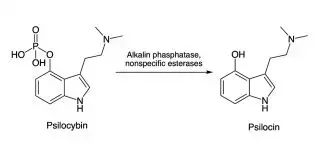
Psilocybin, a compound found in certain mushrooms, is gaining recognition as a potential treatment for challenging psychiatric conditions. Historically used in indigenous healing practices, modern research indicates its effectiveness in addressing disorders such as OCD, PTSD, and major depression. The FDA has acknowledged its promise, granting 'Breakthrough Therapy' status for depression treatments. While promising, further research and refined clinical protocols are necessary to fully integrate psilocybin into mainstream medicine.
 Apr 19, 2026
Understanding the Daily Fluctuations of Mental Acuity and Its Impact on Productivity
A recent study from the University of Toronto Scarborough delves into the phenomenon of daily variations in mental sharpness, revealing its significant influence on productivity. The research quantifies this impact, showing that mental clarity is a dynamic biological state, not merely a matter of effort. It highlights how these daily shifts can lead to substantial differences in goal-setting and completion, underscoring the importance of factors like sleep and emotional well-being.
 Apr 18, 2026
The Neurological Impact of Live Music: Brain Synchronization and Enhanced Engagement
A new study reveals that live music performances cause brain waves to synchronize more intensely with musical rhythms compared to recorded music. This heightened synchronization correlates with increased pleasure and engagement, offering a biological explanation for the unique appeal of concerts. The research, conducted with musically trained participants, highlights how the live context enhances neural entrainment, particularly for fast-paced music, suggesting implications for therapeutic environments.