 Breaking News & Live Updates
- Breaking News & Live Updates
- Breaking News & Live Updates
- Breaking News & Live Updates
- Breaking News & Live Updates
- Breaking News & Live Updates
- Breaking News & Live Updates
- Breaking News & Live Updates
- Breaking News & Live Updates
- Breaking News & Live Updates
Cultural Influences on Emotional Regulation Techniques
While it is commonly understood that emotions are powerful forces that often feel beyond our immediate control, a deeper examination reveals our active involvement in their manifestation and influence. Renowned psychologists have emphasized that we are not merely passive recipients of our feelings but actively "do" emotions, shaping our experiences and responses. This perspective challenges the notion that emotions are fleeting, uncontrollable sensations for which we bear no responsibility. Instead, it advocates for an understanding of emotions as dynamic processes influenced by cultural contexts.
The management of emotions is a crucial aspect of daily life, without which societal coherence would be profoundly challenged. Among the prevalent methods for regulating emotions are suppression and reappraisal. Suppression involves consciously diminishing or delaying the expression of an emotion, while reappraisal entails reinterpreting an emotional event or feeling in a new light. For instance, anxiety might be reframed as excitement or anticipation. Conventional wisdom often suggests that suppressing emotions can be detrimental, whereas reappraising them is generally beneficial. However, a significant meta-analysis published in Nature Human Behaviour in 2025 provides compelling evidence that the efficacy and impact of these techniques are not universally consistent but are deeply intertwined with cultural backgrounds.
This extensive study, drawing on data from nearly 250 articles and over 150,000 individuals across 37 nations, including diverse regions from all continents except Africa and Antarctica, challenges the predominant "WEIRD" (Western, Educated, Industrialized, Rich, and Democratic) bias in psychological research. By adopting a more sophisticated cultural framework, the researchers moved beyond simplistic East-versus-West or individualist-versus-collectivist dichotomies. Their findings demonstrate that cultural factors, such as long-term orientation, tolerance for uncertainty, and indulgence levels, significantly moderate the effectiveness of reappraisal and suppression in alleviating psychopathology and promoting positive well-being. For example, in cultures valuing long-term thinking, reappraisal showed a weaker inverse relationship with psychopathology, while in more competitive societies, its benefits were amplified. Similarly, cultures with higher indulgence experienced greater costs associated with emotional suppression. These insights emphasize that emotional regulation is not a one-size-fits-all solution but requires a personalized and culturally informed approach, encouraging self-awareness and adaptability in managing one's emotional landscape.
Understanding the interplay between culture and emotional regulation is crucial for fostering healthier mental states globally. By recognizing that different societies approach and process emotions distinctively, we can move towards more effective, culturally sensitive therapeutic interventions and personal development strategies. This broader perspective promotes empathy and encourages individuals to explore how their own cultural contexts shape their emotional lives, ultimately leading to greater emotional resilience and well-being for all.
Other Articles
 Apr 20, 2026
The Positive Impact of Fandom on Mental Well-being
The return of global music sensation BTS has sparked renewed interest in the psychological benefits of fan communities. Beyond economic and cultural influence, being a K-pop fan, and particularly an ARMY, is linked to increased happiness, self-esteem, and a broader sense of global identity. This article explores how fan connections, rather than idol worship, significantly contribute to mental health.
 Apr 20, 2026
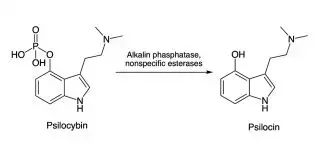
Psychedelic Healing: Psilocybin's Role in Mental Health Treatment
Psilocybin, a compound found in certain mushrooms, is gaining recognition as a potential treatment for challenging psychiatric conditions. Historically used in indigenous healing practices, modern research indicates its effectiveness in addressing disorders such as OCD, PTSD, and major depression. The FDA has acknowledged its promise, granting 'Breakthrough Therapy' status for depression treatments. While promising, further research and refined clinical protocols are necessary to fully integrate psilocybin into mainstream medicine.
 Apr 19, 2026
Understanding the Daily Fluctuations of Mental Acuity and Its Impact on Productivity
A recent study from the University of Toronto Scarborough delves into the phenomenon of daily variations in mental sharpness, revealing its significant influence on productivity. The research quantifies this impact, showing that mental clarity is a dynamic biological state, not merely a matter of effort. It highlights how these daily shifts can lead to substantial differences in goal-setting and completion, underscoring the importance of factors like sleep and emotional well-being.
 Apr 18, 2026
The Neurological Impact of Live Music: Brain Synchronization and Enhanced Engagement
A new study reveals that live music performances cause brain waves to synchronize more intensely with musical rhythms compared to recorded music. This heightened synchronization correlates with increased pleasure and engagement, offering a biological explanation for the unique appeal of concerts. The research, conducted with musically trained participants, highlights how the live context enhances neural entrainment, particularly for fast-paced music, suggesting implications for therapeutic environments.
 Apr 17, 2026
Exercise: A Natural Stress Reducer
A year-long clinical trial has unveiled the profound impact of regular aerobic exercise on stress biology. Researchers discovered that engaging in just 150 minutes of moderate-to-vigorous physical activity per week significantly reduces long-term cortisol levels, the body's primary stress hormone. This pioneering study establishes a direct cause-and-effect link, highlighting exercise as a powerful tool not only for immediate relaxation but also for enhancing mental resilience and slowing brain aging. It suggests that meeting recommended exercise guidelines can serve as a vital medical intervention against the biological underpinnings of stress.
 Apr 16, 2026
Three Daily Habits for Dementia Prevention
A recent meta-analysis underscores the importance of a multi-faceted approach to brain health. Engaging in consistent physical activity, minimizing prolonged sedentary behavior, and maintaining an optimal sleep schedule are crucial for reducing dementia risk, particularly when these habits are established during midlife. This comprehensive strategy offers a more effective defense against cognitive decline than any single intervention.