 Breaking News & Live Updates
- Breaking News & Live Updates
- Breaking News & Live Updates
- Breaking News & Live Updates
- Breaking News & Live Updates
- Breaking News & Live Updates
- Breaking News & Live Updates
- Breaking News & Live Updates
- Breaking News & Live Updates
- Breaking News & Live Updates
The Positive Impact of Fandom on Mental Well-being
The recent comeback of the world-renowned music group BTS, following their mandatory military service, has once again highlighted the profound impact of global fan communities. This phenomenon extends beyond their impressive economic and cultural footprint, revealing significant psychological advantages for their dedicated fanbase, known as ARMY, and K-pop enthusiasts in general. Research indicates that active participation in fan culture can foster enhanced levels of happiness, bolster self-esteem, and cultivate a sense of transculturalism, promoting a connection to humanity at large. These benefits are not merely derived from the artists' direct messages or their music's aesthetic appeal but are deeply rooted in the strong bonds and shared experiences among fans.
The Dual Nature of Fandom: Parasocial Bonds vs. Psychological Gains
Modern fandom often involves parasocial relationships, where individuals develop one-sided, illusory connections with celebrities through media. While some concerns exist regarding the potential pitfalls of these digital-era interactions, particularly as our brains grapple with constant exposure to curated online personas, a growing body of psychological research underscores the substantial positive effects of fan engagement. For groups like BTS, their consistent advocacy for self-love, exemplified through their music and collaborations with organizations like UNICEF, has created a powerful message that resonates deeply with their audience. However, the influence of these artists transcends their direct artistic output, profoundly shaping the mental landscape of their followers.
Despite the inherent one-sidedness of parasocial relationships, the positive psychological outcomes for fans are undeniable. The members of BTS themselves have expressed awareness of the tendency for fans to idealize them, emphasizing the importance of recognizing the deeper connections formed within the fan community. This perspective is supported by studies that show K-pop fandom can significantly improve subjective well-being, primarily through the establishment of robust social ties among fans. Furthermore, research specifically on the BTS ARMY indicates that identifying with this fandom is strongly correlated with a heightened sense of transculturalism, meaning fans are more inclined to perceive themselves as interconnected with all of humanity. These findings suggest that while the idol might serve as a focal point, the true strength and mental health benefits of fandom lie in the vibrant and supportive communities that coalesce around shared interests, creating lasting bonds that enrich lives far beyond the music itself.
The Power of Connection: How Fan Communities Enhance Well-being
Contrary to the notion that fans might place their idols on an unachievable pedestal, psychological studies reveal that the most significant mental health benefits of fandom stem from the social connections forged between fans themselves. When researchers investigate the relationship between K-pop fandom and mental health, they consistently find that the positive impact on subjective well-being is predominantly mediated by the social bonds cultivated within these fan communities. This suggests that the shared passion for a group like BTS acts as a catalyst for forming meaningful interpersonal relationships, which are crucial for psychological health.
Specifically focusing on the BTS ARMY, investigations have demonstrated a strong correlation between a fan's identification with the fandom and an increased sense of "transculturalism." This concept describes an individual's inclination to view themselves as an integral part of a global human community, transcending national or cultural boundaries. This profound sense of belonging and interconnectedness fostered within the ARMY offers a powerful antidote to feelings of loneliness and isolation, prevalent in an increasingly fragmented world. The shared experience of appreciating a band like BTS creates an immediate and special bond among fans, providing a continuous source of comfort, support, and friendship that endures long after the music stops playing, illustrating the enduring power of community in promoting overall well-being.
Other Articles
 Apr 20, 2026
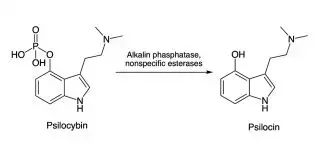
Psychedelic Healing: Psilocybin's Role in Mental Health Treatment
Psilocybin, a compound found in certain mushrooms, is gaining recognition as a potential treatment for challenging psychiatric conditions. Historically used in indigenous healing practices, modern research indicates its effectiveness in addressing disorders such as OCD, PTSD, and major depression. The FDA has acknowledged its promise, granting 'Breakthrough Therapy' status for depression treatments. While promising, further research and refined clinical protocols are necessary to fully integrate psilocybin into mainstream medicine.
 Apr 19, 2026
Understanding the Daily Fluctuations of Mental Acuity and Its Impact on Productivity
A recent study from the University of Toronto Scarborough delves into the phenomenon of daily variations in mental sharpness, revealing its significant influence on productivity. The research quantifies this impact, showing that mental clarity is a dynamic biological state, not merely a matter of effort. It highlights how these daily shifts can lead to substantial differences in goal-setting and completion, underscoring the importance of factors like sleep and emotional well-being.
 Apr 18, 2026
The Neurological Impact of Live Music: Brain Synchronization and Enhanced Engagement
A new study reveals that live music performances cause brain waves to synchronize more intensely with musical rhythms compared to recorded music. This heightened synchronization correlates with increased pleasure and engagement, offering a biological explanation for the unique appeal of concerts. The research, conducted with musically trained participants, highlights how the live context enhances neural entrainment, particularly for fast-paced music, suggesting implications for therapeutic environments.
 Apr 17, 2026
Exercise: A Natural Stress Reducer
A year-long clinical trial has unveiled the profound impact of regular aerobic exercise on stress biology. Researchers discovered that engaging in just 150 minutes of moderate-to-vigorous physical activity per week significantly reduces long-term cortisol levels, the body's primary stress hormone. This pioneering study establishes a direct cause-and-effect link, highlighting exercise as a powerful tool not only for immediate relaxation but also for enhancing mental resilience and slowing brain aging. It suggests that meeting recommended exercise guidelines can serve as a vital medical intervention against the biological underpinnings of stress.
 Apr 16, 2026
Three Daily Habits for Dementia Prevention
A recent meta-analysis underscores the importance of a multi-faceted approach to brain health. Engaging in consistent physical activity, minimizing prolonged sedentary behavior, and maintaining an optimal sleep schedule are crucial for reducing dementia risk, particularly when these habits are established during midlife. This comprehensive strategy offers a more effective defense against cognitive decline than any single intervention.
 Apr 15, 2026
The Profound Link Between Sacred Spaces and Mental Well-being
A recent study highlights the significant positive impact of feeling a spiritual connection to specific physical locations on mental health, acting as a protective factor against stress and loneliness. This connection can be found in diverse environments, from natural landscapes to personal altars at home, suggesting that any place imbued with personal meaning can foster well-being.