 Breaking News & Live Updates
- Breaking News & Live Updates
- Breaking News & Live Updates
- Breaking News & Live Updates
- Breaking News & Live Updates
- Breaking News & Live Updates
- Breaking News & Live Updates
- Breaking News & Live Updates
- Breaking News & Live Updates
- Breaking News & Live Updates
Precommitment Enhances Healthy Food Choices Under Stress, Study Reveals
A recent investigation has shed light on how precommitment strategies can significantly influence dietary decisions, particularly when individuals are under duress. This study found that while stress often drives people towards less nutritious, more appealing food options, making an advance commitment to healthy eating can mitigate this effect. Despite this, a general preference for tastier, albeit less healthy, foods persisted among participants. This research offers valuable insights into the psychological mechanisms behind food choices, especially in challenging circumstances.
The Influence of Precommitment on Dietary Behavior
The concept of precommitment involves making a proactive decision to restrict future choices, a strategy commonly employed when one anticipates succumbing to impulses that might derail long-term objectives. This psychological tool acts as a safeguard against immediate temptations and weak willpower, by establishing predefined rules or barriers. Examples include setting up automated savings transfers to prevent impulsive spending or eliminating distractions before engaging in focused work. In the realm of nutrition, this technique is particularly relevant, as individuals frequently make food choices that contradict their health goals, often exacerbated by stress, fatigue, or negative emotional states.
Researchers explored the efficacy of precommitment in fostering adherence to healthy eating intentions. They devised an experimental protocol where participants initially reviewed various food items and were given the opportunity to eliminate less healthy options from their subsequent choices. This intentional removal of tempting foods served as the precommitment mechanism. The study's findings underscored that individuals tend to prioritize taste over health when selecting food, a preference that intensifies under stressful conditions. However, the critical insight was that when participants had previously committed to excluding unhealthy items, this stress-induced bias was effectively neutralized, demonstrating the power of proactive decision-making in navigating challenging dietary environments.
Mitigating Stress-Induced Unhealthy Eating Through Proactive Decisions
The study's methodology included exposing participants to both stressful and non-stressful conditions, meticulously designed to observe their food preferences. In the stress condition, participants endured physically and mentally demanding tasks, such as immersing their hands in icy water and performing mental arithmetic under critical scrutiny. Conversely, the non-stress condition involved more comfortable activities, serving as a control. Following these inductions, participants entered a precommitment phase where they could opt to remove less healthy food items from their future choices. Subsequently, they faced a choice phase where their actual food selections were recorded.
The outcomes revealed a clear pattern: under stress, participants were more prone to selecting palatable but unhealthy foods. Yet, this inclination was significantly curbed in instances where they had made a precommitment to healthy eating. This suggests that the act of making an upfront decision to limit less healthy options effectively buffered the negative impact of stress on food choices. The study's authors emphasize the importance of these findings for developing interventions aimed at promoting better dietary habits, especially for individuals who struggle with maintaining healthy eating in high-stress situations. While acknowledging the study's small sample size of psychology students and the inherent nature of precommitment to restrict choice, the research robustly supports the strategic application of precommitment to align immediate behavior with long-term health objectives.
Other Articles
 Apr 20, 2026
Cultural Influences on Emotional Regulation Techniques
A recent meta-analysis published in Nature Human Behaviour in 2025 highlights how the effectiveness of emotional regulation strategies, specifically suppression and reappraisal, varies significantly across different cultures. Challenging traditional Western-centric psychological research, the study, encompassing over 150,000 participants from 37 countries, reveals that cultural values and societal contexts profoundly impact how these techniques reduce psychopathology and enhance well-being. This research underscores the need for a nuanced, culturally sensitive approach to understanding and applying emotional regulation in diverse populations.
 Apr 20, 2026
The Positive Impact of Fandom on Mental Well-being
The return of global music sensation BTS has sparked renewed interest in the psychological benefits of fan communities. Beyond economic and cultural influence, being a K-pop fan, and particularly an ARMY, is linked to increased happiness, self-esteem, and a broader sense of global identity. This article explores how fan connections, rather than idol worship, significantly contribute to mental health.
 Apr 20, 2026
Psychedelic Healing: Psilocybin's Role in Mental Health Treatment
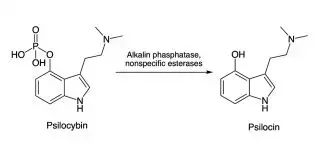
Psilocybin, a compound found in certain mushrooms, is gaining recognition as a potential treatment for challenging psychiatric conditions. Historically used in indigenous healing practices, modern research indicates its effectiveness in addressing disorders such as OCD, PTSD, and major depression. The FDA has acknowledged its promise, granting 'Breakthrough Therapy' status for depression treatments. While promising, further research and refined clinical protocols are necessary to fully integrate psilocybin into mainstream medicine.
 Apr 19, 2026
Understanding the Daily Fluctuations of Mental Acuity and Its Impact on Productivity
A recent study from the University of Toronto Scarborough delves into the phenomenon of daily variations in mental sharpness, revealing its significant influence on productivity. The research quantifies this impact, showing that mental clarity is a dynamic biological state, not merely a matter of effort. It highlights how these daily shifts can lead to substantial differences in goal-setting and completion, underscoring the importance of factors like sleep and emotional well-being.
 Apr 18, 2026
The Neurological Impact of Live Music: Brain Synchronization and Enhanced Engagement
A new study reveals that live music performances cause brain waves to synchronize more intensely with musical rhythms compared to recorded music. This heightened synchronization correlates with increased pleasure and engagement, offering a biological explanation for the unique appeal of concerts. The research, conducted with musically trained participants, highlights how the live context enhances neural entrainment, particularly for fast-paced music, suggesting implications for therapeutic environments.
 Apr 17, 2026
Exercise: A Natural Stress Reducer
A year-long clinical trial has unveiled the profound impact of regular aerobic exercise on stress biology. Researchers discovered that engaging in just 150 minutes of moderate-to-vigorous physical activity per week significantly reduces long-term cortisol levels, the body's primary stress hormone. This pioneering study establishes a direct cause-and-effect link, highlighting exercise as a powerful tool not only for immediate relaxation but also for enhancing mental resilience and slowing brain aging. It suggests that meeting recommended exercise guidelines can serve as a vital medical intervention against the biological underpinnings of stress.