 Breaking News & Live Updates
- Breaking News & Live Updates
- Breaking News & Live Updates
- Breaking News & Live Updates
- Breaking News & Live Updates
- Breaking News & Live Updates
- Breaking News & Live Updates
- Breaking News & Live Updates
- Breaking News & Live Updates
- Breaking News & Live Updates
Peanut Consumption Boosts Brain Function and Memory in Older Adults
A recent scientific inquiry highlights the potential of a common legume, the peanut, in enhancing cognitive faculties and cerebral blood flow among the elderly. This investigation sheds light on how dietary choices can significantly impact brain health as individuals advance in age, particularly focusing on the rich nutritional profile of peanuts.
Details of the Groundbreaking Research on Peanuts and Brain Health
In a meticulously designed 16-week study, published in the esteemed journal Clinical Nutrition, a team of researchers, spearheaded by Peter J. Joris and Lucia Kerkhof from Maastricht University's Institute of Nutrition and Translational Research in Metabolism (NUTRIM), explored the neuroprotective benefits of unsalted, skin-roasted peanuts. The study involved 31 healthy individuals aged 60 to 75, excluding those with specific health conditions or allergies. Participants underwent two phases: an intervention period where they consumed 60 grams of peanuts daily, and a control period avoiding peanuts, separated by an eight-week break. This crossover design allowed each participant to serve as their own control, ensuring robust data.
Utilizing advanced imaging techniques like pseudo-continuous arterial spin labeling magnetic resonance imaging, the scientists observed a notable improvement in cerebral blood flow. A global increase of 3.6 percent was recorded, with specific enhancements of 4.5 percent in gray matter, 6.6 percent in the frontal lobes, and 4.9 percent in the temporal lobes—areas critical for memory, language, and executive functions. Furthermore, cognitive assessments revealed a 5.8 percent improvement in verbal memory, as evidenced by enhanced performance in delayed recall tasks. The intervention also positively impacted cardiovascular health, with average reductions of 5 mmHg in systolic blood pressure and 4 mmHg in pulse pressure, both significant markers for cognitive well-being in older adults.
The researchers underscored the importance of peanuts' high L-arginine content, an amino acid vital for nitric oxide synthesis, which relaxes blood vessels and regulates blood flow. The bioactive compounds, such as polyphenols like resveratrol, found in peanut skins, were also highlighted for their antioxidant properties. While the study was funded by The Peanut Institute Foundation, the authors affirmed the funding body's non-involvement in the study's design, data analysis, or publication decisions, declaring no conflicts of interest. Future research aims to investigate the benefits of various peanut preparations, such as peanut butter, and to clarify the specific components responsible for these salutary effects.
This pioneering research offers a compelling vision of how integrating simple, nutrient-rich foods into daily diets can foster resilience against age-related cognitive decline. The findings suggest a clear, actionable pathway for individuals seeking to proactively safeguard their mental acuity and vascular health. It emphasizes the profound connection between diet and brain function, inspiring further exploration into nutritional strategies for healthy aging and underscoring the readily accessible benefits of humble peanuts.
Other Articles
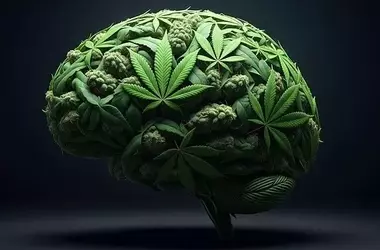
Cannabis Use Linked to Reduced Alcohol Consumption
A recent study suggests that for individuals who consume substantial amounts of alcohol, cannabis use may lead to a decrease in alcohol intake. This observed reduction appears to be associated with diminished alcohol cravings following cannabis use, proposing a potential explanation for why some individuals might opt to use cannabis as an alternative to alcohol. The findings, published in 'Drug and Alcohol Dependence', shed light on the complex interplay between these two substances.
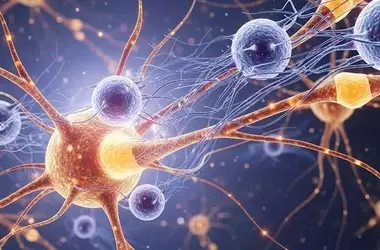
Brain's Immune Cells Regulate Anxiety: A New Perspective Beyond Neurons
A study published in Molecular Psychiatry reveals that specific immune cells in the mouse brain, known as microglia, directly cause chronic anxiety and compulsive grooming. The research highlights two distinct microglial lineages: one promotes these behaviors (accelerator), while the other suppresses them (brake). These findings shift the focus from neurons to the brain's immune system as a key regulator of certain psychiatric conditions, offering new avenues for therapeutic development.
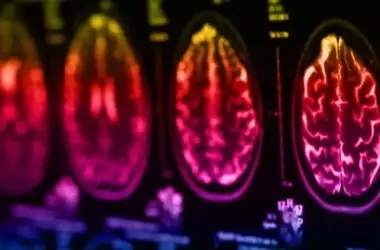
Brain Networks Decode Sound and Anticipate Auditory Sequences
A recent scientific inquiry, documented in "Advanced Science," unveils that the human brain utilizes two extensive, distinct neural networks to process and anticipate familiar sound patterns. One network is primarily responsible for general acoustic processing, while the other is specifically dedicated to matching incoming auditory information with stored memories and identifying discrepancies. These revelations deepen our comprehension of how varied neural systems collaborate to facilitate intricate cognitive functions.

AI Deciphers Dance's Neural Signature
A new study reveals how artificial intelligence helps unravel the brain's complex processing of dance, where sound and movement merge. Computer models can predict neural activity in observers, showing that expert dancers exhibit diverse neural responses compared to novices. This research offers insights into how the brain integrates multimodal sensory information and could bridge the gap between neuroscience and the arts.
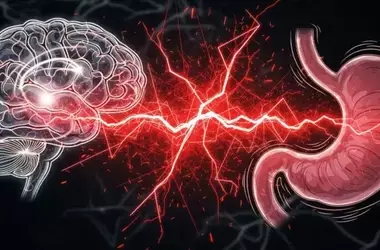
High-Fat Diet Disrupts Gut-Brain Serotonin Pathway
A new analysis reveals that chronic high-fat diets severely impair the communication between the gut and the brain, specifically concerning serotonin levels. While serotonin increases in the gut, it depletes in key brain regions controlling mood and memory. This disruption, driven by enzyme imbalances and microbiome changes, offers insights into the links between obesity, depression, and cognitive decline, suggesting potential therapeutic avenues for restoring gut-brain balance.

New Psychological Research Illuminates the Enigma of Déjà Vu and Predictive Illusions
Recent psychological investigations have provided compelling experimental evidence indicating that the experience of d←j¢ vu can generate an illusory sense of future predictability. This research suggests that when individuals encounter a new situation with a feeling of familiarity, they may subjectively believe they can anticipate upcoming events, even without actual foresight. Published in "Consciousness and Cognition," these findings offer new insights into the cognitive mechanisms underlying this intriguing phenomenon.