 Breaking News & Live Updates
- Breaking News & Live Updates
- Breaking News & Live Updates
- Breaking News & Live Updates
- Breaking News & Live Updates
- Breaking News & Live Updates
- Breaking News & Live Updates
- Breaking News & Live Updates
- Breaking News & Live Updates
- Breaking News & Live Updates
Cannabis Use Linked to Reduced Alcohol Consumption
New research indicates a potential link between cannabis consumption and a decrease in alcohol intake among heavy drinkers. This fascinating revelation suggests that cannabis use might curb the desire for alcohol, offering a possible explanation for why some individuals might substitute one substance for the other. Published in the journal 'Drug and Alcohol Dependence', this study delves into the intricate relationship between cannabis and alcohol use, a topic that has often yielded contradictory results in previous research.
In a controlled laboratory setting, the study involved 61 adults who were regular heavy drinkers and cannabis users. Participants underwent two sessions: one involving only alcohol, and another where they first used cannabis before being offered alcohol. The key finding was a significant reduction in alcohol consumption during the cannabis-inclusive session, with participants drinking approximately 25% less. This effect was particularly noticeable in a subgroup of 'substituters', who experienced a considerable drop in alcohol cravings after cannabis use, unlike 'non-substituters' whose cravings remained stable or increased. Interestingly, the amount of THC in the blood did not differentiate these groups, suggesting that individual responses rather than cannabis potency play a crucial role in this substitution behavior.
While this study provides valuable insights, it's important to acknowledge its limitations, such as the artificial laboratory environment and the lack of control over cannabis dosage and potency due to participants using their own products. The study's demographic, predominantly White males, also highlights the need for further research across diverse populations. Future investigations could explore the effects of different cannabis products, meticulously control dosages, and integrate real-world monitoring to gain a more comprehensive understanding of co-use patterns. This ongoing exploration will continue to unravel the complex dynamics between these substances and their impact on human behavior.
This research opens doors to a deeper understanding of substance use patterns, encouraging further exploration into potential harm reduction strategies and personalized interventions. By shedding light on the nuanced interactions between cannabis and alcohol, we move closer to developing more effective approaches to addiction and well-being, fostering a healthier future for individuals and communities alike.
Other Articles
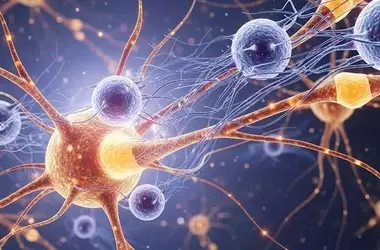
Brain's Immune Cells Regulate Anxiety: A New Perspective Beyond Neurons
A study published in Molecular Psychiatry reveals that specific immune cells in the mouse brain, known as microglia, directly cause chronic anxiety and compulsive grooming. The research highlights two distinct microglial lineages: one promotes these behaviors (accelerator), while the other suppresses them (brake). These findings shift the focus from neurons to the brain's immune system as a key regulator of certain psychiatric conditions, offering new avenues for therapeutic development.
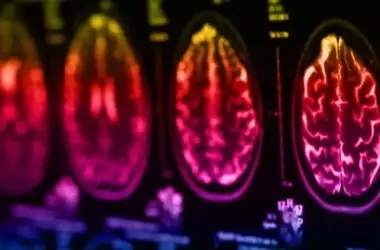
Brain Networks Decode Sound and Anticipate Auditory Sequences
A recent scientific inquiry, documented in "Advanced Science," unveils that the human brain utilizes two extensive, distinct neural networks to process and anticipate familiar sound patterns. One network is primarily responsible for general acoustic processing, while the other is specifically dedicated to matching incoming auditory information with stored memories and identifying discrepancies. These revelations deepen our comprehension of how varied neural systems collaborate to facilitate intricate cognitive functions.

AI Deciphers Dance's Neural Signature
A new study reveals how artificial intelligence helps unravel the brain's complex processing of dance, where sound and movement merge. Computer models can predict neural activity in observers, showing that expert dancers exhibit diverse neural responses compared to novices. This research offers insights into how the brain integrates multimodal sensory information and could bridge the gap between neuroscience and the arts.
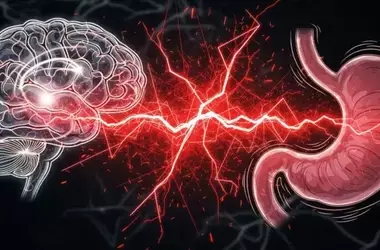
High-Fat Diet Disrupts Gut-Brain Serotonin Pathway
A new analysis reveals that chronic high-fat diets severely impair the communication between the gut and the brain, specifically concerning serotonin levels. While serotonin increases in the gut, it depletes in key brain regions controlling mood and memory. This disruption, driven by enzyme imbalances and microbiome changes, offers insights into the links between obesity, depression, and cognitive decline, suggesting potential therapeutic avenues for restoring gut-brain balance.

New Psychological Research Illuminates the Enigma of Déjà Vu and Predictive Illusions
Recent psychological investigations have provided compelling experimental evidence indicating that the experience of d←j¢ vu can generate an illusory sense of future predictability. This research suggests that when individuals encounter a new situation with a feeling of familiarity, they may subjectively believe they can anticipate upcoming events, even without actual foresight. Published in "Consciousness and Cognition," these findings offer new insights into the cognitive mechanisms underlying this intriguing phenomenon.
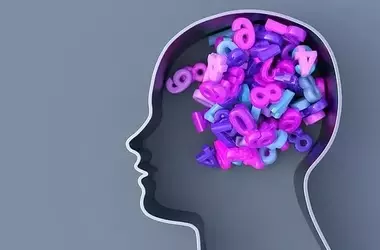
The Impact of Numerical Systems on Human Cognition and Culture
New research explores how the underlying structures of number systems, particularly the concept of 'bases,' profoundly influence cognitive processes, language acquisition, and cultural interactions. This study highlights the challenges posed by inconsistencies between different numerical bases, such as those found in time measurement versus standard Indo-Arabic numerals, and their implications for learning, calculation, and even critical decision-making in daily life.