 Breaking News & Live Updates
- Breaking News & Live Updates
- Breaking News & Live Updates
- Breaking News & Live Updates
- Breaking News & Live Updates
- Breaking News & Live Updates
- Breaking News & Live Updates
- Breaking News & Live Updates
- Breaking News & Live Updates
- Breaking News & Live Updates
High-Fat Diet Disrupts Gut-Brain Serotonin Pathway
Emerging research indicates that sustained consumption of high-fat foods disrupts the intricate chemical dialogue between the digestive system and the brain. This comprehensive analysis, published in 'Nutritional Neuroscience', reveals a critical imbalance: elevated serotonin in the gut coexists with a marked reduction in this vital neurotransmitter within brain areas essential for emotional regulation and memory. This biochemical disconnect offers a compelling explanation for the observed associations between excessive weight, depressive states, and diminished cognitive function.
The investigation highlights a complex interplay of physiological mechanisms. Initially, a high-fat diet stimulates enterochromaffin cells in the gut to excessively produce serotonin, while simultaneously impairing the function of transporter proteins responsible for its reuptake. This leads to a detrimental accumulation of serotonin in the gastrointestinal tract, fostering inflammation and compromising intestinal integrity, contributing to a 'leaky gut' phenomenon. Concurrently, in the brain, the same diet accelerates the breakdown of serotonin in regions like the hippocampus and hypothalamus, leading to significant deficits. This paradoxical situation creates a 'bottleneck' effect in the raphe nuclei, the brain's serotonin production center, where increased synthesis is negated by inhibitory autoreceptors, preventing serotonin's release to crucial brain targets. The study points to the gut microbiome's crucial role, as a fiber-deficient, high-fat diet diminishes beneficial bacteria, reducing protective short-chain fatty acids and initiating systemic inflammation that further impedes serotonin synthesis and promotes neurotoxic pathways in the brain.
These findings suggest that the profound disruption in serotonin signaling forms a vicious cycle, contributing not only to the development but also the perpetuation of obesity, mood disorders, and cognitive impairments. The compromised satiety signals make it harder to control eating, while reduced brain serotonin impairs mental resilience, creating a feedback loop that reinforces unhealthy dietary patterns. While acknowledging that much of the evidence stems from animal models, the researchers emphasize the need for clinical studies to validate these mechanisms in humans, paving the way for novel therapeutic strategies focusing on microbiome restoration and inflammation reduction to re-establish a healthy gut-brain connection and improve mental and metabolic health.
This groundbreaking research underscores the profound impact of our dietary choices on both our physical and mental well-being. It serves as a powerful reminder that the food we consume affects not just our waistline, but also the intricate chemical symphony within our bodies and minds. By understanding these complex pathways, we are empowered to make more informed decisions about our nutrition, fostering a holistic approach to health that embraces the interconnectedness of our gut and brain. This knowledge inspires us to pursue lifestyles that promote balance, resilience, and vitality.
Other Articles

New Psychological Research Illuminates the Enigma of Déjà Vu and Predictive Illusions
Recent psychological investigations have provided compelling experimental evidence indicating that the experience of d←j¢ vu can generate an illusory sense of future predictability. This research suggests that when individuals encounter a new situation with a feeling of familiarity, they may subjectively believe they can anticipate upcoming events, even without actual foresight. Published in "Consciousness and Cognition," these findings offer new insights into the cognitive mechanisms underlying this intriguing phenomenon.
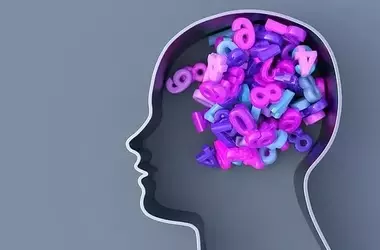
The Impact of Numerical Systems on Human Cognition and Culture
New research explores how the underlying structures of number systems, particularly the concept of 'bases,' profoundly influence cognitive processes, language acquisition, and cultural interactions. This study highlights the challenges posed by inconsistencies between different numerical bases, such as those found in time measurement versus standard Indo-Arabic numerals, and their implications for learning, calculation, and even critical decision-making in daily life.

Oxytocin's Creative Spark: Personality Matters
New research shows that oxytocin, often dubbed the 'love hormone,' can boost creativity, but its effects are not universal. The study, published in *Social Cognitive and Affective Neuroscience*, reveals that oxytocin primarily enhances creative thinking in individuals who are naturally inclined towards seeking rewards and opportunities, rather than those who prioritize avoiding risks. This finding suggests that an individual's motivational style plays a crucial role in how their brain responds to oxytocin, influencing cognitive processes like originality and flexibility of thought. The research provides valuable insights into the complex interplay between neurochemistry and personality in fostering creativity.
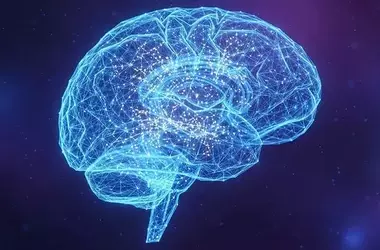
Neural Dynamics and General Intelligence: A New Perspective
Groundbreaking research published in "Imaging Neuroscience" reveals a profound link between general intelligence and the brain's capacity for stable, efficient, and typical connectivity patterns. The study highlights that individuals with superior cognitive abilities exhibit prolonged maintenance of specific brain states and more streamlined neural network reconfigurations. This suggests that optimized brain communication dynamics, rather than merely faster connections, underpin higher general intelligence.

Gene Mutation Influences Alcohol Sensitivity and Consumption
New research in The Journal of Neuroscience reveals that a specific genetic variant in the chrna3 gene significantly impacts an organism's response to alcohol. Using zebrafish as a model, scientists demonstrated that a mutation in this gene leads to increased alcohol tolerance and consumption, bypassing the natural aversion mechanisms typically observed at higher doses. This groundbreaking study highlights the gene's crucial role in regulating alcohol sensitivity and suggests implications for understanding alcohol use disorders in humans.

A Single Weightlifting Session Boosts Executive Function and Processing Speed
A recent study revealed that a single session of moderate-intensity resistance exercise can significantly improve inhibitory control and working memory. Participants engaging in weightlifting showed enhanced cognitive performance and increased blood lactate and systolic blood pressure, suggesting a potential physiological mechanism behind these mental benefits. The findings highlight resistance training's immediate positive impact on brain function.