 Breaking News & Live Updates
- Breaking News & Live Updates
- Breaking News & Live Updates
- Breaking News & Live Updates
- Breaking News & Live Updates
- Breaking News & Live Updates
- Breaking News & Live Updates
- Breaking News & Live Updates
- Breaking News & Live Updates
- Breaking News & Live Updates
Brain Networks Decode Sound and Anticipate Auditory Sequences
Recent investigations into the complexities of neural activity have illuminated how our brains deftly manage the dual tasks of sound recognition and prediction. Researchers have uncovered a sophisticated system involving two primary brain networks, each playing a critical role in our auditory experience. This groundbreaking work sheds light on the coordinated actions of these widespread neural systems, offering a more integrated perspective on the brain's capacity for complex cognitive operations.
Details of the Investigation into Auditory Prediction
The concept of predictive coding posits that the brain constantly formulates expectations about sensory input. Any divergence from these expectations triggers a 'prediction error,' prompting the brain to refine its ongoing forecasts. Previous studies on this subject often focused on isolated brain regions or narrow frequency ranges, providing foundational insights into prediction mechanisms, such as early sensory reactions to unexpected sounds. However, these studies frequently overlooked the overarching cooperation of multiple brain areas as interconnected networks, particularly when dealing with complex sequential memories like those found in music.
To bridge this knowledge gap, a dedicated team embarked on a study to examine predictive coding at a whole-brain level. The endeavor was spearheaded by Dr. Leonardo Bonetti, an associate professor at the Center for Music in the Brain at Aarhus University and the Centre for Eudaimonia and Human Flourishing at the University of Oxford, alongside Dr. Mattia Rosso, a researcher affiliated with both the Center for Music in the Brain and the IPEM Institute for Systematic Musicology at Ghent University.
Drs. Bonetti and Rosso expressed their long-standing interest in understanding how the brain organizes its activity across diverse regions during sound perception, memory recall, and prediction. They noted that conventional analytical tools often concentrate on limited sets of brain regions or predefined connections, thereby obscuring the broader, system-level picture. Furthermore, many existing methodologies rely on strong assumptions or intricate analytical procedures that can hinder the interpretation of findings. Motivated by these limitations, the researchers developed a novel method named BROAD-NESS (BROadband brain Network Estimation via Source Separation) to capture the brain's complete dynamic activity and the real-time cooperation among multiple regions. Their objective was to provide researchers with a tool that is both mathematically rigorous and readily accessible, enabling the mapping of large-scale brain interactions without imposing restrictive assumptions on the data.
The study engaged 83 volunteers, aged 19 to 63, who initially memorized a brief musical composition by Johann Sebastian Bach. Following this memorization phase, their brain activity was monitored using magnetoencephalography (MEG), a precise technique for measuring magnetic fields generated by neural electrical currents. During the MEG recording, participants listened to 135 distinct five-tone musical excerpts. Some excerpts were identical to the memorized piece, while others were novel variations. Participants were required to identify whether each excerpt was part of the original music or a new rendition.
The core of the analysis employed the innovative BROAD-NESS method. Researchers first used the MEG data to pinpoint neural activity across 3,559 brain voxels. Subsequently, Principal Component Analysis was applied to this extensive dataset, identifying major patterns of synchronized activity across all voxels. Each pattern represented a distinct, simultaneously active brain network, with the analysis quantifying the contribution of each network to the total brain activity. The two primary networks collectively accounted for approximately 88% of the variability in the broadband, source-reconstructed MEG data during the task. The first network, explaining about 72% of the activity, was predominantly localized in the auditory cortices and the medial cingulate gyrus. Its activity exhibited a consistent pattern across all conditions, with minimal differences between memorized and novel sequences, suggesting its primary role in the fundamental processing of incoming sounds.
The second network, while smaller, accounted for a significant 16% of the activity. This network also involved the auditory cortices but extended to include regions vital for memory and higher-order processing, such as the hippocampus, anterior cingulate, insula, and inferior temporal areas. In contrast to the first network, the activity of this second network was highly contingent on the experimental conditions. Its dynamic patterns appeared to reflect the processes of matching auditory input with stored memories and detecting prediction errors when sounds diverged from expectations.
Drs. Bonetti and Rosso emphasized that the brain operates as a dynamic network, rather than a collection of isolated regions. When recalling a sound or anticipating the next, numerous brain areas engage in simultaneous interaction, and the quality of these interactions is crucial for cognitive performance. They noted that BROAD-NESS revealed the auditory cortices are involved in two major networks concurrently: one dedicated to sensory processing of sounds and another supporting memory and predictive functions, connecting to deeper brain structures like the hippocampus and anterior cingulate cortex. This indicates that the same brain region can adaptively contribute to different computational roles based on context, underscoring the brain's capacity for parallel processing of multiple cognitive operations.
Further analytical techniques, such as recurrence quantification analysis, were employed to understand the timing and organization of these networks. Results showed that during the listening of correctly memorized musical sequences, the combined activity of both networks was more structured and stable. This increased stability correlated with improved task performance across all participants, including greater accuracy and quicker response times, providing evidence that organized and recurrent network dynamics are linked to successful cognitive function. The researchers highlighted that participants exhibiting more stable and recurrent interactions between these networks also demonstrated superior memory recognition, implying that stable and coordinated brain networks enhance cognitive efficiency.
A separate analysis explored the spatial organization of the networks. By grouping brain voxels based on their involvement in the two networks, a nuanced pattern emerged. Certain brain regions, such as parts of the auditory cortex, were highly active in both networks, suggesting they function as central hubs contributing to both sound perception and memory-based prediction. Other regions were more specialized, contributing strongly to one network over the other. For instance, the medial cingulate was predominantly involved in the first network, while the hippocampus played a key role in the second.
This study also offers a fresh perspective on the "dual-stream" hypothesis of brain organization, originally applied to vision to describe separate pathways for processing 'what' an object is versus 'where' it is located. The second network identified in this research aligns with the 'what' pathway, or ventral stream, encompassing regions vital for recognition and memory. However, the first network does not neatly correspond to the traditional 'where' pathway. Instead, it appears to represent a distinct system for sustained auditory attention and processing, suggesting a more intricate organization for auditory memory than previously understood.
The research, published in Advanced Science under the title “BROAD-NESS Uncovers Dual-Stream Mechanisms Underlying Predictive Coding in Auditory Memory Networks,” was a collaborative effort involving researchers from the Center for Music in the Brain (Aarhus University and The Royal Academy of Music in Denmark), the Department of Clinical Medicine at Aarhus University, the University of Oxford, and the Department of Physics at the University of Bologna. Financial backing was provided by the Danish National Research Foundation, the Independent Research Fund Denmark, and the Lundbeck Foundation. The authors of the study include Leonardo Bonetti, Gemma Fernández-Rubio, Mathias H. Andersen, Chiara Malvaso, Francesco Carlomagno, Claudia Testa, Peter Vuust, Morten L. Kringelbach, and Mattia Rosso.
This research underscores the dynamic and interconnected nature of brain function, particularly in how we perceive and anticipate sounds. It challenges us to move beyond viewing the brain as a collection of isolated components and instead appreciate its holistic, integrated processing capabilities. The development of methods like BROAD-NESS signifies a crucial step towards a deeper understanding of neural mechanisms. This knowledge is not only vital for basic scientific inquiry but also holds immense potential for addressing neurological and psychological conditions where these complex functions may be impaired. By illuminating how the brain 'predicts' the world around it, we are closer to developing novel diagnostic tools and interventions for a range of disorders affecting memory and sensory processing.
Other Articles

AI Deciphers Dance's Neural Signature
A new study reveals how artificial intelligence helps unravel the brain's complex processing of dance, where sound and movement merge. Computer models can predict neural activity in observers, showing that expert dancers exhibit diverse neural responses compared to novices. This research offers insights into how the brain integrates multimodal sensory information and could bridge the gap between neuroscience and the arts.
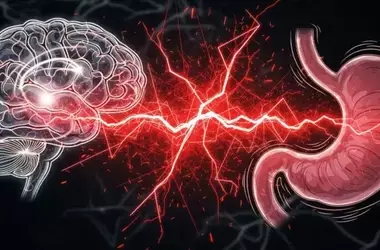
High-Fat Diet Disrupts Gut-Brain Serotonin Pathway
A new analysis reveals that chronic high-fat diets severely impair the communication between the gut and the brain, specifically concerning serotonin levels. While serotonin increases in the gut, it depletes in key brain regions controlling mood and memory. This disruption, driven by enzyme imbalances and microbiome changes, offers insights into the links between obesity, depression, and cognitive decline, suggesting potential therapeutic avenues for restoring gut-brain balance.

New Psychological Research Illuminates the Enigma of Déjà Vu and Predictive Illusions
Recent psychological investigations have provided compelling experimental evidence indicating that the experience of d←j¢ vu can generate an illusory sense of future predictability. This research suggests that when individuals encounter a new situation with a feeling of familiarity, they may subjectively believe they can anticipate upcoming events, even without actual foresight. Published in "Consciousness and Cognition," these findings offer new insights into the cognitive mechanisms underlying this intriguing phenomenon.
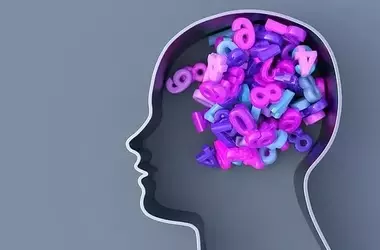
The Impact of Numerical Systems on Human Cognition and Culture
New research explores how the underlying structures of number systems, particularly the concept of 'bases,' profoundly influence cognitive processes, language acquisition, and cultural interactions. This study highlights the challenges posed by inconsistencies between different numerical bases, such as those found in time measurement versus standard Indo-Arabic numerals, and their implications for learning, calculation, and even critical decision-making in daily life.

Oxytocin's Creative Spark: Personality Matters
New research shows that oxytocin, often dubbed the 'love hormone,' can boost creativity, but its effects are not universal. The study, published in *Social Cognitive and Affective Neuroscience*, reveals that oxytocin primarily enhances creative thinking in individuals who are naturally inclined towards seeking rewards and opportunities, rather than those who prioritize avoiding risks. This finding suggests that an individual's motivational style plays a crucial role in how their brain responds to oxytocin, influencing cognitive processes like originality and flexibility of thought. The research provides valuable insights into the complex interplay between neurochemistry and personality in fostering creativity.
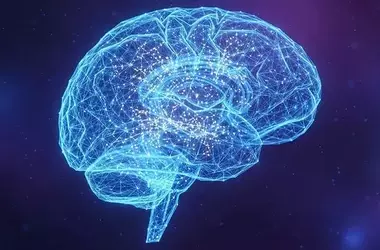
Neural Dynamics and General Intelligence: A New Perspective
Groundbreaking research published in "Imaging Neuroscience" reveals a profound link between general intelligence and the brain's capacity for stable, efficient, and typical connectivity patterns. The study highlights that individuals with superior cognitive abilities exhibit prolonged maintenance of specific brain states and more streamlined neural network reconfigurations. This suggests that optimized brain communication dynamics, rather than merely faster connections, underpin higher general intelligence.