 Breaking News & Live Updates
- Breaking News & Live Updates
- Breaking News & Live Updates
- Breaking News & Live Updates
- Breaking News & Live Updates
- Breaking News & Live Updates
- Breaking News & Live Updates
- Breaking News & Live Updates
- Breaking News & Live Updates
- Breaking News & Live Updates
Misophonia: A Closer Look at its Links to Mental Health and Auditory Disorders
A recent investigation into individuals experiencing misophonia revealed a significant correlation with other psychological and auditory conditions. Approximately 65% of those with misophonia had at least one other mental health diagnosis, with depression affecting 49% and anxiety disorders affecting 47%. This emphasizes the multifaceted nature of misophonia, a condition where specific everyday sounds trigger intense emotional and physiological responses.
Misophonia is characterized by disproportionate reactions of anger, disgust, or anxiety to sounds such as chewing or tapping, often stemming from heightened connectivity between auditory processing and emotional brain regions. The condition, while distinct from general sound sensitivity, significantly impacts social interactions and daily functioning. A national study was conducted to provide a more accurate understanding of its prevalence and co-occurrence with other conditions, moving beyond previous research that relied on less representative samples. This comprehensive study involved 185 individuals with misophonia and a control group of 1,644 adults without symptoms, assessing various psychological and auditory conditions through self-reported diagnoses and symptom screeners.
The findings indicate that individuals with misophonia are significantly more likely to experience conditions like anxiety, depression, tinnitus, and hyperacusis, even after accounting for demographic differences. For instance, 53% of the misophonia group screened positive for current anxiety, compared to only 8% in the control group. Similarly, 42% had positive screens for depression, versus 6% in the control. The study also highlighted that hyperacusis symptoms were present in 42% of the misophonia group. While a strong link was found with many disorders, misophonia did not show a significant association with Autism Spectrum Disorder or repetitive behavior disorders. These results, published in 'Psychiatry Research', underscore the complex interplay between misophonia and other health conditions, calling for a deeper exploration into shared underlying biological and psychological mechanisms.
The insights from this study pave the way for a more integrated approach to understanding and treating misophonia. Recognizing its frequent co-occurrence with mental health and auditory disorders can lead to improved diagnostic practices and holistic treatment plans, ultimately enhancing the quality of life for those affected. It encourages continued research into the neurological and psychological foundations of misophonia, fostering an environment where individuals can receive comprehensive care that addresses all aspects of their well-being.
Other Articles
 Mar 09, 2026
Forgiveness and Well-being: A Global Perspective
A large-scale global study reveals that the tendency to forgive others is consistently linked to enhanced overall well-being. This research, spanning 23 countries and over 200,000 individuals, highlights forgiveness as a crucial element for human flourishing, positively impacting psychological and social health. The findings suggest that cultivating a forgiving disposition can be a valuable strategy for improving mental and emotional health worldwide.
 Mar 07, 2026
The Rise of AI in Mental Health Support: A Global Perspective
A recent global study reveals a significant public inclination towards using generative AI, like ChatGPT, for mental health counseling and companionship. While offering benefits such as non-judgmental interaction and 24/7 availability, experts caution against AI replacing professional care and highlight potential long-term cognitive impacts, including on memory and learning functions.
 Mar 07, 2026
Blocking a Common Brain Gas Reverses Autism-Like Traits in Mice
Researchers have uncovered a novel biological pathway demonstrating how elevated levels of nitric oxide in the brain contribute to cellular overactivity in autism spectrum disorder. By identifying how nitric oxide inactivates a protective protein, TSC2, which normally regulates cell growth, scientists have found a specific target for potential future therapies. This discovery offers a promising direction for developing new treatments for autism.
 Mar 07, 2026
Brain Structure Differences Found in BPD Patients With Auditory Hallucinations
New research suggests that individuals with borderline personality disorder who experience auditory hallucinations exhibit distinct structural differences in specific brain regions. These variations are observed in areas linked to language processing, sensory integration, and emotional regulation. The findings imply that hallucinations may stem from shared biological mechanisms across various mental health conditions, offering fresh perspectives on the neurobiological underpinnings of these symptoms.
 Mar 06, 2026
Psychedelic-like Effects of Psilocybin Therapy: The Next Generation
Scientists have developed modified versions of psilocin, the active compound in 'magic mushrooms,' that could provide therapeutic benefits without hallucinogenic effects. This research, published in ACS's Journal of Medicinal Chemistry, focuses on a new derivative named 4e, which offers a slow, sustained release into the brain. In animal models, 4e successfully stimulated key serotonin receptors and showed reduced psychedelic indicators, suggesting a promising future for treating neuropsychiatric conditions like depression and anxiety.
 Mar 06, 2026
Brain Scans Uncover Two Distinct ADHD Subtypes
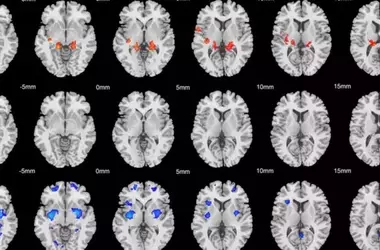
A groundbreaking study published in 'General Psychiatry' reveals that Attention-Deficit/Hyperactivity Disorder (ADHD) is not a monolithic condition but comprises at least two distinct structural brain subtypes. Utilizing MRI data, researchers identified unique physical characteristics and behavioral patterns associated with each subtype. This discovery paves the way for highly personalized diagnostic and treatment strategies, moving beyond current generalized approaches. The findings highlight the complexity of ADHD and the potential for precision medicine in neurodevelopmental disorders.