 Breaking News & Live Updates
- Breaking News & Live Updates
- Breaking News & Live Updates
- Breaking News & Live Updates
- Breaking News & Live Updates
- Breaking News & Live Updates
- Breaking News & Live Updates
- Breaking News & Live Updates
- Breaking News & Live Updates
- Breaking News & Live Updates
Brain Structure Differences Found in BPD Patients With Auditory Hallucinations
Recent scientific investigations have shed light on the neurobiological underpinnings of auditory hallucinations in individuals diagnosed with borderline personality disorder (BPD). This study highlights distinct structural changes within the brains of these patients, suggesting a shared biological foundation for hallucinatory experiences across various psychiatric conditions. Such discoveries are crucial for advancing our understanding of mental health conditions and could pave the way for more targeted therapeutic interventions.
Unraveling the Neural Basis of Auditory Hallucinations in BPD
This pioneering research, detailed in "Psychiatry Research: Neuroimaging," reveals that individuals grappling with borderline personality disorder who report hearing voices exhibit unique anatomical variations in brain regions vital for processing language, integrating sensory information, and regulating emotions. Historically, the focus on auditory hallucinations has predominantly been associated with schizophrenia, leaving a significant void in the understanding of their neurological basis in BPD. This study bridges that gap by demonstrating that these hallucinatory experiences might not be isolated incidents but rather manifestations of partly shared biological mechanisms found in other mental health conditions. By examining gray matter volume—a key indicator of nerve cell density—the research team identified consistent reductions in areas such as the frontal and parietal lobes, the cingulate cortex, and the cerebellum among BPD patients compared to healthy controls.
The study involved a cohort of 76 right-handed female participants, divided into three groups: BPD patients with a history of auditory hallucinations, BPD patients without such experiences, and healthy control subjects. Through detailed clinical evaluations and magnetic resonance imaging (MRI), researchers systematically compared gray matter volumes across these groups. The findings revealed that BPD patients, particularly those experiencing auditory hallucinations, exhibited reduced gray matter in occipital regions, traditionally linked to visual processing but also involved in sensory integration. Furthermore, decreased gray matter in the inferior frontal gyrus, crucial for speech and language, was observed in hallucinating BPD patients, suggesting a direct connection between language networks and the internal experience of voices. This meticulous approach to isolating specific brain anomalies provides compelling evidence for the structural correlates underlying auditory hallucinations in BPD.
Implications for Diagnosis and Future Therapies
The insights garnered from this study have profound implications for both the diagnostic framework and future therapeutic strategies for borderline personality disorder. The identification of specific brain regions—including parts of the temporal lobe, frontal lobe, parietal lobe, and cerebellum—where lower gray matter volume correlates with higher distress and symptom severity in hallucinating BPD patients, underscores the complexity of these experiences. As noted by Dr. Robert Christian Wolf, the deputy director at the Department of General Psychiatry at Heidelberg University Hospital, these structural differences, though subtle and observed at a group level, cannot be used for individual diagnosis but significantly enhance scientific understanding. This knowledge supports the idea that hallucinations result from intricate interactions across cognitive, sensory, and emotional brain systems, moving beyond the notion of a single brain region being responsible.
While the study provides compelling evidence for overlapping neural patterns between BPD and schizophrenia regarding hallucinations, it also emphasizes the distinct contextual factors in BPD, such as trauma exposure and emotional dysregulation. These factors likely influence how hallucinations manifest in BPD patients. The cross-sectional nature of the study, capturing a single moment in time, suggests a need for future longitudinal research to track how these brain structures evolve. Integrating structural imaging with functional neuroimaging could further illuminate how brain networks interact during internal speech and cognitive processes. Ultimately, this research paves the way for optimizing non-invasive neurostimulation treatments, such as transcranial magnetic stimulation, and promotes a transdiagnostic approach to understanding mental health symptoms, focusing on shared underlying mechanisms rather than rigid diagnostic categories.
Other Articles
 Mar 06, 2026
Psychedelic-like Effects of Psilocybin Therapy: The Next Generation
Scientists have developed modified versions of psilocin, the active compound in 'magic mushrooms,' that could provide therapeutic benefits without hallucinogenic effects. This research, published in ACS's Journal of Medicinal Chemistry, focuses on a new derivative named 4e, which offers a slow, sustained release into the brain. In animal models, 4e successfully stimulated key serotonin receptors and showed reduced psychedelic indicators, suggesting a promising future for treating neuropsychiatric conditions like depression and anxiety.
 Mar 06, 2026
Brain Scans Uncover Two Distinct ADHD Subtypes
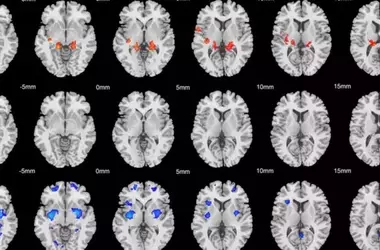
A groundbreaking study published in 'General Psychiatry' reveals that Attention-Deficit/Hyperactivity Disorder (ADHD) is not a monolithic condition but comprises at least two distinct structural brain subtypes. Utilizing MRI data, researchers identified unique physical characteristics and behavioral patterns associated with each subtype. This discovery paves the way for highly personalized diagnostic and treatment strategies, moving beyond current generalized approaches. The findings highlight the complexity of ADHD and the potential for precision medicine in neurodevelopmental disorders.
 Mar 06, 2026
ADHD Medication's Long-Term Impact on Brain Development
A recent study published in "Progress in Neuro-Psychopharmacology and Biological Psychiatry" indicates that the extended use of stimulant medications for ADHD does not result in permanent alterations to brain development. The research followed adolescents and adults with ADHD, examining brain responses to methylphenidate over four years. While short-term effects were observed, they did not persist, suggesting the brain's neuroplasticity. The findings offer reassurance regarding the safety of long-term stimulant therapy for ADHD.
 Mar 05, 2026
Neuroscientific Study Reveals Link Between Visual Brain Network Hyperactivity and Social Anxiety
A recent neuroscience study published in "Psychiatry Research: Neuroimaging" indicates that young adults with elevated social anxiety exhibit distinct patterns of heightened activity and altered communication within the brain's visual centers. These findings suggest that recognizing these early neurological changes could facilitate the detection and treatment of severe social anxiety before its full manifestation, offering a new avenue for intervention in managing this debilitating condition.
 Mar 05, 2026
Advanced Blood Tests for Dementia: A Breakthrough in Latin America
A new study published in 'Nature Aging' reveals that simple blood tests can accurately diagnose Alzheimer's and other dementias in diverse Latin American populations. By integrating these tests with cognitive assessments and brain scans, clinicians can significantly enhance diagnostic accuracy in regions where advanced diagnostic tools are often inaccessible. This research marks a crucial step towards reducing health disparities in dementia diagnosis globally.
 Mar 05, 2026
Debate on "Cry It Out" Parenting Method: Psychologists Clash Over Infant Development and Attachment
A study published in the Journal of Child Psychology and Psychiatry investigates the controversial "cry it out" parenting strategy. Researchers found that allowing infants to cry occasionally does not negatively impact their behavioral development or their bond with mothers, offering reassurance to parents. This challenges traditional attachment theory and provides modern data on infant self-soothing.