 Breaking News & Live Updates
- Breaking News & Live Updates
- Breaking News & Live Updates
- Breaking News & Live Updates
- Breaking News & Live Updates
- Breaking News & Live Updates
- Breaking News & Live Updates
- Breaking News & Live Updates
- Breaking News & Live Updates
- Breaking News & Live Updates
Brain Scans Uncover Two Distinct ADHD Subtypes
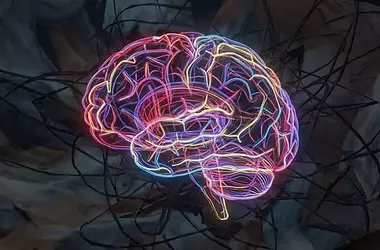
Recent research offers a transformative view of Attention-Deficit/Hyperactivity Disorder (ADHD), suggesting it manifests as at least two distinct structural brain subtypes. This discovery, detailed in a study published in General Psychiatry, highlights unique anatomical and behavioral profiles within the disorder, hinting at a future where diagnosis and treatment are tailored to an individual’s specific biology rather than a generalized approach.
Details of the Investigation into ADHD’s Biological Foundations
Attention-Deficit/Hyperactivity Disorder, a common neurodevelopmental condition affecting children and adolescents globally, has long been characterized by a range of symptoms including inattention, hyperactivity, and impulsivity. Historically, brain imaging studies of ADHD have yielded inconsistent results, leading researchers to question the underlying causes of this variability. Dr. Tianzheng Zhong, a prominent researcher at Shandong First Medical University in China, spearheaded a team driven to resolve these discrepancies. They hypothesized that the existing clinical classifications of ADHD did not adequately account for the wide spectrum of physical variations observed in patients' brains.
To investigate this, Zhong and colleagues meticulously analyzed structural magnetic resonance imaging (MRI) data from a vast public database. After stringent filtering to ensure data quality and completeness, their final cohort included 135 children and adolescents diagnosed with ADHD and 182 neurotypical control subjects. Initially, a broad comparison of gray matter between the diagnosed group and controls did not show statistically significant differences, suggesting that diverse physical manifestations within the ADHD group might be canceling each other out.
To overcome this analytical hurdle, the research team employed an advanced machine learning algorithm. This sophisticated tool was designed to sift through extensive anatomical data and identify latent biological patterns invisible to human observation. The algorithm successfully delineated two distinct physical subtypes within the ADHD patient group.
Upon establishing these two subtypes, clear physical and behavioral distinctions emerged. The first subtype was marked by an increase in gray matter, particularly concentrated in the frontal regions and the cerebellum, areas critical for working memory, attention, and motor coordination. Behaviorally, individuals in this group predominantly exhibited severe inattentiveness, with structural changes strongly correlating with an impaired ability to sustain focus.
In stark contrast, the second subtype displayed widespread reductions or atrophy in gray matter, most notably in the bilateral cerebellum, frontal regions, and the hippocampus. The hippocampus plays a crucial role in memory formation, spatial awareness, and internal motivation. Patients in this subtype presented with higher overall disease severity, manifesting both inattentive symptoms and pronounced hyperactive-impulsive behaviors.
To further understand the progression of these brain changes, the researchers utilized a mathematical technique to construct a ‘pseudo-time series’ by organizing brain scans according to symptom severity. This approach allowed for a causal network analysis, identifying which brain regions might be driving specific symptoms. For the first subtype, this analysis revealed strong links between specific brain nodes and attentional dysfunction, with frontal regions and the cerebellum serving as key hubs. For the second subtype, a broader pattern of structural connections was observed, driven by multiple behavioral domains including hyperactivity and impulsivity, with the hippocampus acting as a major hub.
While this study marks a significant stride in categorizing ADHD, the researchers acknowledge its cross-sectional nature as a limitation. Future longitudinal studies are essential to validate these findings and observe the natural development of structural brain changes over time, paving the way for a new era of precision medicine in psychiatry.
This study provides a compelling argument for moving beyond a one-size-fits-all approach to ADHD. The identification of distinct biological subtypes underscores the need for personalized medicine, where diagnostic and therapeutic strategies are meticulously matched to an individual's unique neurobiological profile. Imagine a future where a child’s brain scan directly informs their treatment plan—those with increased gray matter in frontal regions might benefit from targeted cognitive training to enhance attention, while those with widespread gray matter loss might require a more intensive, multi-modal approach combining medication and behavioral therapies. This tailored methodology holds the promise of not only improving treatment efficacy but also alleviating the significant challenges faced by individuals and families grappling with ADHD, fundamentally transforming how we understand and manage this complex condition.
Other Articles
 Mar 06, 2026
ADHD Medication's Long-Term Impact on Brain Development
A recent study published in "Progress in Neuro-Psychopharmacology and Biological Psychiatry" indicates that the extended use of stimulant medications for ADHD does not result in permanent alterations to brain development. The research followed adolescents and adults with ADHD, examining brain responses to methylphenidate over four years. While short-term effects were observed, they did not persist, suggesting the brain's neuroplasticity. The findings offer reassurance regarding the safety of long-term stimulant therapy for ADHD.
 Mar 05, 2026
Neuroscientific Study Reveals Link Between Visual Brain Network Hyperactivity and Social Anxiety
A recent neuroscience study published in "Psychiatry Research: Neuroimaging" indicates that young adults with elevated social anxiety exhibit distinct patterns of heightened activity and altered communication within the brain's visual centers. These findings suggest that recognizing these early neurological changes could facilitate the detection and treatment of severe social anxiety before its full manifestation, offering a new avenue for intervention in managing this debilitating condition.
 Mar 05, 2026
Advanced Blood Tests for Dementia: A Breakthrough in Latin America
A new study published in 'Nature Aging' reveals that simple blood tests can accurately diagnose Alzheimer's and other dementias in diverse Latin American populations. By integrating these tests with cognitive assessments and brain scans, clinicians can significantly enhance diagnostic accuracy in regions where advanced diagnostic tools are often inaccessible. This research marks a crucial step towards reducing health disparities in dementia diagnosis globally.
 Mar 05, 2026
Debate on "Cry It Out" Parenting Method: Psychologists Clash Over Infant Development and Attachment
A study published in the Journal of Child Psychology and Psychiatry investigates the controversial "cry it out" parenting strategy. Researchers found that allowing infants to cry occasionally does not negatively impact their behavioral development or their bond with mothers, offering reassurance to parents. This challenges traditional attachment theory and provides modern data on infant self-soothing.
 Mar 04, 2026
Effectiveness of Standard Mental Health Therapies for Autistic Adults: A Critical Review
A new study reveals varying outcomes for autistic adults undergoing standard psychological therapies for depression and anxiety. While some individuals showed improvement, others experienced stable or worsening symptoms. Factors such as ethnicity and difficulties with daily living tasks were identified as influencing treatment efficacy, underscoring the urgent need for more personalized and culturally responsive mental health care approaches tailored to the unique needs of autistic individuals. These findings highlight a gap in current therapeutic practices and advocate for neurodiversity-affirming care that respects and integrates the lived experiences of autistic people.
 Mar 04, 2026
Understanding Everyday Mindfulness: Dispelling Misconceptions
This article explores the essence of daily mindfulness, distinguishing it from common misunderstandings. It defines mindfulness as non-judgmental present-moment awareness, focusing on attention and a receptive attitude. The piece debunks myths such as mindfulness being solely for relaxation or a quick fix, emphasizing its role in altering one's relationship with experiences rather than suppressing them. It also highlights the boundaries of mindfulness, noting its supportive role in mental health without replacing professional treatment.