 Breaking News & Live Updates
- Breaking News & Live Updates
- Breaking News & Live Updates
- Breaking News & Live Updates
- Breaking News & Live Updates
- Breaking News & Live Updates
- Breaking News & Live Updates
- Breaking News & Live Updates
- Breaking News & Live Updates
- Breaking News & Live Updates
Psychedelic-like Effects of Psilocybin Therapy: The Next Generation
While psilocybin is lauded for its potential in addressing conditions such as depression and anxiety, many individuals are apprehensive about the intense psychedelic experiences it can induce. Recent breakthroughs by scientists have led to the creation of innovative variations of psilocin, the active form of psilocybin. These new compounds are designed to deliver the therapeutic advantages of psychedelic mushrooms, but without the accompanying mind-altering side effects. A specific derivative, identified as 4e, facilitates a gradual and sustained release of the compound within the brain. Experiments on animal models have demonstrated that this novel compound effectively crosses the blood-brain barrier and activates crucial serotonin receptors, while significantly diminishing the "head twitch" response—a key indicator of psychedelic activity in mice. This pivotal research underscores the possibility of separating the therapeutic benefits of psychedelics from their hallucinogenic properties, opening new avenues for treatment that are both safer and more accessible for a wider patient population.
Breakthrough in Psilocybin Treatment: Addressing Mental Health Without Hallucinations
In a significant stride forward for neuropsychiatry, researchers have successfully engineered novel derivatives of psilocin, the primary psychoactive component of 'magic mushrooms.' This groundbreaking work, detailed in the Journal of Medicinal Chemistry by ACS, introduces a potential new era for treating a spectrum of conditions including depression, anxiety, and even neurodegenerative diseases such as Alzheimer's, by mitigating the hallucinogenic effects typically associated with psilocybin. The project, spearheaded by a team including Sara De Martin, Andrea Mattarei, and Paolo Manfredi, focused on developing compounds that offer a sustained, non-hallucinogenic release of psilocin into the brain.
After synthesizing and testing five psilocin derivatives using human plasma samples and simulated gastrointestinal absorption, the team pinpointed compound 4e as the most promising candidate. This particular derivative demonstrated superior stability for absorption and facilitated a gradual release of psilocin, a critical characteristic for potentially reducing hallucinogenic impacts. Importantly, 4e maintained therapeutic activity at vital serotonin receptors at levels comparable to natural psilocin.
Subsequent studies in mice compared the effects of 4e with pharmaceutical-grade psilocybin. Administered orally, 4e effectively traversed the blood-brain barrier, maintaining a lower yet more consistent presence of psilocin in the brain over a 48-hour period. A key finding was the significantly reduced number of 'head twitches' in mice treated with 4e, a recognized marker of psychedelic activity in rodents, despite robust serotonin receptor engagement. This behavioral divergence primarily correlated with the dosage and timing of psilocin release within the brain. This March 6, 2026, finding indicates the feasibility of creating stable, brain-penetrating psilocin derivatives that preserve serotonin receptor activity while minimizing acute mind-altering effects. While further research is needed to fully understand their mechanism of action and biological effects, these results pave the way for future human clinical trials to evaluate their therapeutic efficacy and safety.
This innovative research not only challenges the long-held belief that hallucinogenic experiences are essential for the therapeutic efficacy of psychedelics but also offers a beacon of hope for patients apprehensive about 'trips.' The development of 4e, acting as an 'extended-release' version of psilocin, suggests that therapeutic benefits can be achieved through a steady, lower dose that avoids the threshold for mind-altering effects. This strategy could make psilocybin therapy more accessible and acceptable, marking a significant evolution in mental health treatment.
Other Articles
 Mar 06, 2026
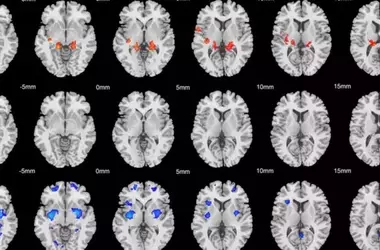
Brain Scans Uncover Two Distinct ADHD Subtypes
A groundbreaking study published in 'General Psychiatry' reveals that Attention-Deficit/Hyperactivity Disorder (ADHD) is not a monolithic condition but comprises at least two distinct structural brain subtypes. Utilizing MRI data, researchers identified unique physical characteristics and behavioral patterns associated with each subtype. This discovery paves the way for highly personalized diagnostic and treatment strategies, moving beyond current generalized approaches. The findings highlight the complexity of ADHD and the potential for precision medicine in neurodevelopmental disorders.
 Mar 06, 2026
ADHD Medication's Long-Term Impact on Brain Development
A recent study published in "Progress in Neuro-Psychopharmacology and Biological Psychiatry" indicates that the extended use of stimulant medications for ADHD does not result in permanent alterations to brain development. The research followed adolescents and adults with ADHD, examining brain responses to methylphenidate over four years. While short-term effects were observed, they did not persist, suggesting the brain's neuroplasticity. The findings offer reassurance regarding the safety of long-term stimulant therapy for ADHD.
 Mar 05, 2026
Neuroscientific Study Reveals Link Between Visual Brain Network Hyperactivity and Social Anxiety
A recent neuroscience study published in "Psychiatry Research: Neuroimaging" indicates that young adults with elevated social anxiety exhibit distinct patterns of heightened activity and altered communication within the brain's visual centers. These findings suggest that recognizing these early neurological changes could facilitate the detection and treatment of severe social anxiety before its full manifestation, offering a new avenue for intervention in managing this debilitating condition.
 Mar 05, 2026
Advanced Blood Tests for Dementia: A Breakthrough in Latin America
A new study published in 'Nature Aging' reveals that simple blood tests can accurately diagnose Alzheimer's and other dementias in diverse Latin American populations. By integrating these tests with cognitive assessments and brain scans, clinicians can significantly enhance diagnostic accuracy in regions where advanced diagnostic tools are often inaccessible. This research marks a crucial step towards reducing health disparities in dementia diagnosis globally.
 Mar 05, 2026
Debate on "Cry It Out" Parenting Method: Psychologists Clash Over Infant Development and Attachment
A study published in the Journal of Child Psychology and Psychiatry investigates the controversial "cry it out" parenting strategy. Researchers found that allowing infants to cry occasionally does not negatively impact their behavioral development or their bond with mothers, offering reassurance to parents. This challenges traditional attachment theory and provides modern data on infant self-soothing.
 Mar 04, 2026
Effectiveness of Standard Mental Health Therapies for Autistic Adults: A Critical Review
A new study reveals varying outcomes for autistic adults undergoing standard psychological therapies for depression and anxiety. While some individuals showed improvement, others experienced stable or worsening symptoms. Factors such as ethnicity and difficulties with daily living tasks were identified as influencing treatment efficacy, underscoring the urgent need for more personalized and culturally responsive mental health care approaches tailored to the unique needs of autistic individuals. These findings highlight a gap in current therapeutic practices and advocate for neurodiversity-affirming care that respects and integrates the lived experiences of autistic people.