 Breaking News & Live Updates
- Breaking News & Live Updates
- Breaking News & Live Updates
- Breaking News & Live Updates
- Breaking News & Live Updates
- Breaking News & Live Updates
- Breaking News & Live Updates
- Breaking News & Live Updates
- Breaking News & Live Updates
- Breaking News & Live Updates
Blocking a Common Brain Gas Reverses Autism-Like Traits in Mice
Recent scientific breakthroughs shed light on a newly identified biological sequence explaining how an abundant brain chemical, nitric oxide, at elevated levels, can trigger excessive cellular activity characteristic of autism spectrum disorder. By meticulously charting how nitric oxide deactivates a crucial protective protein, leading to an acceleration of cellular growth pathways, researchers have pinpointed a precise target that could potentially pave the way for innovative therapeutic interventions. These significant findings were recently documented in the esteemed scientific journal, Molecular Psychiatry.
Autism spectrum disorder manifests through distinctive patterns in brain development, influencing social interaction and habitual behaviors. The underlying biological mechanisms of these alterations are multifaceted, involving numerous genetic factors and environmental influences. Scientists have frequently noted an unusually rapid functioning of the mTOR signaling pathway in the brains of individuals with autism.
The mTOR pathway acts as a crucial regulatory hub, governing aspects such as cellular proliferation, protein synthesis, and energy metabolism. When operating optimally, this pathway facilitates the formation of neural connections vital for cognitive processes like learning and memory. However, the precise sequence of events linking autism risk factors to this accelerated growth pathway has, until now, remained elusive.
A dedicated team of researchers theorized that nitric oxide could represent this missing link. Nitric oxide, a simple gaseous molecule, plays a pivotal role in neuronal communication and regulating cerebral blood flow. Notably, elevated concentrations of nitric oxide are frequently detected in the brains and circulatory systems of individuals diagnosed with autism.
When nitric oxide concentrations become excessively high, this gas possesses the capability to directly bind with various proteins, thereby altering their functional properties. This chemical modification process is termed S-nitrosylation. The research collective sought to ascertain whether this specific chemical tagging mechanism was indeed responsible for propelling the cellular growth pathways into an overdriven state.
The comprehensive investigation was spearheaded by Shashank Kumar Ojha, a doctoral candidate, and Haitham Amal, a distinguished professor of brain sciences. Both researchers are affiliated with the Hebrew University of Jerusalem. They meticulously devised a series of experiments to delineate the precise interactions between nitric oxide and the proteins that govern cell growth.
The research team initiated their inquiry by scrutinizing two distinct cohorts of laboratory mice. These mice had been genetically engineered to lack either the Shank3 or Cntnap2 genes. Both of these genetic mutations are known to be associated with autism in human subjects and induce similar behavioral phenotypes in the mice.
Utilizing advanced chemical tracking methodologies, Ojha and his collaborators meticulously analyzed the proteins present within the brains of these mice. Their particular focus was directed towards a protein known as TSC2. In a healthy cellular environment, TSC2 functions akin to a regulatory brake, moderating the mTOR growth pathway.
The investigators made a pivotal discovery: the genetically modified mice exhibited unusually high quantities of nitric oxide covalently attached to their TSC2 proteins. This nitric oxide modification acted as a biochemical signal, designating the brake protein for degradation by the cellular recycling machinery. Consequently, the cells systematically dismantled their own TSC2 proteins.
In the absence of the crucial TSC2 inhibitory mechanism, the mTOR growth pathway underwent uncontrolled acceleration. This excessive activation compelled the brain cells to synthesize proteins at an anomalous rate. This altered protein production profoundly disrupted the normal functionality of both excitatory and inhibitory neurons.
To corroborate this mechanistic cascade, the scientists administered a pharmaceutical agent to the genetically modified mice, designed to inhibit the brain's endogenous production of nitric oxide. The ensuing results unequivocally demonstrated a direct mechanical linkage. Suppressing nitric oxide synthesis effectively prevented the degradation of the TSC2 brake protein.
With the inhibitory TSC2 protein maintained in its functional state, the cellular growth pathway decelerated to a physiological rate. The brain cells ceased their excessive protein synthesis. This intervention successfully reinstated a homeostatic balance within the cellular milieu.
Subsequently, Ojha's team executed a reciprocal experiment, employing healthy, wild-type mice devoid of any genetic alterations. These normal mice were treated with a chemical compound that artificially stimulated the mTOR growth pathway. Following this intervention, these mice began to exhibit behavioral characteristics associated with autism.
The researchers employed a three-chambered apparatus to assess the sociability of the mice. The healthy mice that received the pathway activator demonstrated a diminished interest in interacting with unfamiliar conspecifics, preferring to spend time in an isolated, empty chamber.
Additionally, the scientists evaluated anxiety levels in the mice using an elevated plus maze. The mice with the activated growth pathway exhibited a strong avoidance of the open arms of the maze. This observed behavioral alteration confirmed that an overactive growth pathway alone is sufficient to induce social deficits and heightened anxiety.
Furthermore, the researchers aimed to definitively establish that the specific nitric oxide attachment site on the TSC2 protein was the critical nexus of the problem. They employed a genetic engineering technique to modify the TSC2 protein in such a way that it precluded nitric oxide binding. This engineered protein was then microinjected into the prefrontal cortex of the mutant mice.
This minute genetic modification successfully safeguarded the brake protein from nitric oxide-mediated degradation. As a direct consequence, the cellular growth pathway reverted to its normal operational state. Concomitantly, the treated mice displayed increased sociability and spent more time exploring the open sections of the elevated maze.
To extend their investigations beyond animal models, the scientists cultured human neural cells in vitro. These human cells were genetically manipulated to express the Shank3 genetic mutation. Consistent with the observations in the mouse models, these human cells exhibited a deficiency in the TSC2 brake protein and an overactive growth pathway.
Treating these human neural cells with the nitric oxide antagonist yielded a comparable outcome. The pharmacological agent protected the TSC2 protein and effectively attenuated the cellular hyperactivity. This finding corroborated that the nitric oxide-mediated mechanism functions similarly in human biological tissues.
Finally, the researchers sought to identify this identical pattern in human patients. They performed analyses on blood plasma samples obtained from autistic children and compared them with samples from neurotypical children. A subset of the autistic children harbored specific Shank3 genetic mutations, while others presented with autism of unknown genetic etiology.
The human blood assays perfectly recapitulated the laboratory experimental results. The plasma samples from the autistic children exhibited significantly reduced levels of the TSC2 brake protein. Furthermore, their blood samples presented unequivocal indicators of an overactive mTOR growth pathway.
While these experiments meticulously delineate a cellular dysfunction, the researchers acknowledge certain limitations. The human blood samples were derived from a comparatively small cohort of participants. Future investigations will necessitate the inclusion of significantly larger populations to ascertain the universality of this pattern across the diverse spectrum of autism presentations.
Moreover, nitric oxide is known to interact with a multitude of different proteins throughout the body, not exclusively the TSC2 brake protein. The researchers concede that other intricate chemical pathways may also contribute to the biological pathogenesis of autism. They intend to explore these additional potential interconnections in forthcoming research endeavors.
Nevertheless, the profound discovery that mitigating nitric oxide activity can restore normal cellular function presents a tangible and promising target for pharmaceutical development. Scientists can now strategically focus their efforts on designing therapeutic agents that either preserve the integrity of the TSC2 protein or safely modulate nitric oxide concentrations within the brain. This groundbreaking research could ultimately culminate in the development of targeted interventions for individuals presenting with specific genetic mutations associated with autism.
As Amal articulated in an official press release regarding the study: “Autism is not a monolithic condition stemming from a singular cause, and we do not anticipate one pathway to elucidate every case. However, by illuminating a clearer sequence of events—specifically, how nitric oxide-related modifications can impact a pivotal regulator such as TSC2, and subsequently, mTOR—our aspiration is to furnish a more precise framework for subsequent research and, eventually, to facilitate more targeted therapeutic strategies.”
Other Articles
 Mar 07, 2026
Brain Structure Differences Found in BPD Patients With Auditory Hallucinations
New research suggests that individuals with borderline personality disorder who experience auditory hallucinations exhibit distinct structural differences in specific brain regions. These variations are observed in areas linked to language processing, sensory integration, and emotional regulation. The findings imply that hallucinations may stem from shared biological mechanisms across various mental health conditions, offering fresh perspectives on the neurobiological underpinnings of these symptoms.
 Mar 06, 2026
Psychedelic-like Effects of Psilocybin Therapy: The Next Generation
Scientists have developed modified versions of psilocin, the active compound in 'magic mushrooms,' that could provide therapeutic benefits without hallucinogenic effects. This research, published in ACS's Journal of Medicinal Chemistry, focuses on a new derivative named 4e, which offers a slow, sustained release into the brain. In animal models, 4e successfully stimulated key serotonin receptors and showed reduced psychedelic indicators, suggesting a promising future for treating neuropsychiatric conditions like depression and anxiety.
 Mar 06, 2026
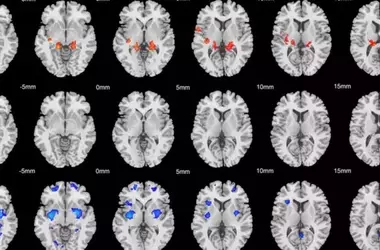
Brain Scans Uncover Two Distinct ADHD Subtypes
A groundbreaking study published in 'General Psychiatry' reveals that Attention-Deficit/Hyperactivity Disorder (ADHD) is not a monolithic condition but comprises at least two distinct structural brain subtypes. Utilizing MRI data, researchers identified unique physical characteristics and behavioral patterns associated with each subtype. This discovery paves the way for highly personalized diagnostic and treatment strategies, moving beyond current generalized approaches. The findings highlight the complexity of ADHD and the potential for precision medicine in neurodevelopmental disorders.
 Mar 06, 2026
ADHD Medication's Long-Term Impact on Brain Development
A recent study published in "Progress in Neuro-Psychopharmacology and Biological Psychiatry" indicates that the extended use of stimulant medications for ADHD does not result in permanent alterations to brain development. The research followed adolescents and adults with ADHD, examining brain responses to methylphenidate over four years. While short-term effects were observed, they did not persist, suggesting the brain's neuroplasticity. The findings offer reassurance regarding the safety of long-term stimulant therapy for ADHD.
 Mar 05, 2026
Neuroscientific Study Reveals Link Between Visual Brain Network Hyperactivity and Social Anxiety
A recent neuroscience study published in "Psychiatry Research: Neuroimaging" indicates that young adults with elevated social anxiety exhibit distinct patterns of heightened activity and altered communication within the brain's visual centers. These findings suggest that recognizing these early neurological changes could facilitate the detection and treatment of severe social anxiety before its full manifestation, offering a new avenue for intervention in managing this debilitating condition.
 Mar 05, 2026
Advanced Blood Tests for Dementia: A Breakthrough in Latin America
A new study published in 'Nature Aging' reveals that simple blood tests can accurately diagnose Alzheimer's and other dementias in diverse Latin American populations. By integrating these tests with cognitive assessments and brain scans, clinicians can significantly enhance diagnostic accuracy in regions where advanced diagnostic tools are often inaccessible. This research marks a crucial step towards reducing health disparities in dementia diagnosis globally.