 Breaking News & Live Updates
- Breaking News & Live Updates
- Breaking News & Live Updates
- Breaking News & Live Updates
- Breaking News & Live Updates
- Breaking News & Live Updates
- Breaking News & Live Updates
- Breaking News & Live Updates
- Breaking News & Live Updates
- Breaking News & Live Updates
Forgiveness and Well-being: A Global Perspective
A recent extensive international investigation has revealed a consistent association between an individual's inclination to forgive others and modest yet widespread improvements in their overall quality of life. This research suggests that embracing forgiveness serves as a beneficial element for human development across diverse cultures and geographical locations. By illuminating these potential advantages, the study lays a groundwork for advocating forgiveness as a means to foster mental, social, and emotional wellness globally.
The researchers concentrated on the concept of dispositional forgivingness, which refers to a person's general habit or propensity to pardon others in various situations over time. When individuals experience an interpersonal offense, they often grapple with a sense of injustice that leads to a state of unforgiveness. This unforgiveness manifests as negative cognitive and emotional responses, including bitterness, resentment, and anger. Sustaining these negative emotions tends to undermine an individual's well-being. Scientists view forgiveness as an adaptive coping mechanism, indicating it is a healthy way to process stress and mitigate the adverse effects of being wronged.
While a singular act of forgiveness can offer a temporary boost to well-being, cultivating an enduring disposition to forgive others has the potential to influence an individual's life more comprehensively. However, previous studies on this subject frequently relied on data collected at a single point in time, which made it challenging to ascertain the sequence of events or establish cause-and-effect relationships. Moreover, past research predominantly focused on specific groups within Western, educated, and industrialized nations. Scientists aimed to explore the relationship between forgivingness and human thriving on a global scale, seeking to determine if the benefits of forgiveness extend beyond mental health to encompass physical, social, and economic aspects of life.
To investigate these connections, scientists utilized data from the Global Flourishing Study, analyzing a substantial sample of precisely 207,919 individuals across 23 different countries. These samples were meticulously designed to be nationally representative, accurately reflecting the demographic composition of each country's general population. Richard G. Cowden, a social-personality psychologist and research scientist with the Human Flourishing Program at Harvard University and the Department of Epidemiology at the Harvard T.H. Chan School of Public Health, noted that "Interpersonal hurts are common, and many people struggle with unforgiveness. In Wave 1 of the Global Flourishing Study, about one in four respondents reported they had 'rarely' or 'never' forgiven those who had hurt them." He added, "We used two waves of longitudinal data from the Global Flourishing Study to address a major gap: no prior work had tested, in nationally representative samples across many countries, whether the tendency to forgive others predicts subsequent well-being across a wide range of outcomes."
The researchers assessed participants at two distinct periods, approximately one year apart. During the initial data collection phase, participants responded to a survey question regarding the frequency with which they forgave individuals who had wronged them, establishing their level of dispositional forgivingness. Roughly a year later, participants completed a follow-up survey measuring 56 specific well-being outcomes across eight different life domains, including psychological well-being, psychological distress, social well-being, social distress, social participation, character and prosocial behavior, physical health, and socioeconomic status. In their analysis, the researchers accounted for various background factors such as age, gender, education, and childhood experiences, aiming to isolate the specific influence of forgivingness from other variables that might impact well-being.
The scientists observed that a predisposition to forgive others was associated with minor enhancements in multidimensional well-being one year later. These advantages were apparent across numerous specific outcomes, although the strength of the correlations varied depending on the domain. Forgivingness was most consistently linked to improved psychological and social well-being, with more forgiving individuals tending to report higher levels of optimism, a clearer sense of purpose in life, and greater relationship satisfaction. Cowden remarked, "The results suggest forgiveness may be one helpful ingredient in supporting well-being, but well-being is shaped by many other factors as well. If we consider these findings alongside intervention studies that show forgiveness can be cultivated, strengthening people’s capacity to practice forgiveness more consistently (when safe and appropriate) may benefit well-being." The researchers also identified positive correlations with character and prosocial behavior, a domain encompassing voluntary actions intended to assist others, such as expressing affection, practicing gratitude, and striving to promote good in the world. Cowden further noted, "The tendency to forgive others was associated with outcomes spanning multiple domains of well-being, and in some cases the strength of those associations was larger than anticipated." Conversely, connections between forgivingness and physical health or socioeconomic outcomes were generally much weaker, with no clear relationship observed between the habit of forgiving others and material security or the frequency of exercise.
The data also indicated that the relationship between forgiveness and well-being varied somewhat across countries. In nations like the United States, Japan, and the United Kingdom, forgivingness was linked to superior well-being across most measured outcomes. However, in countries such as Nigeria, South Africa, and Egypt, the scientists found very few associations between forgiving others and subsequent well-being. Cowden elaborated, "Although there was some evidence of association across many well-being outcomes when results were pooled across the countries, the pattern of associations differed across countries, underscoring the importance of not assuming a uniform effect of forgiveness on well-being across sociocultural contexts." The researchers hypothesize that these cross-national disparities might stem from broader social and cultural environments. In regions experiencing severe political instability or economic inequality, the positive impacts of forgiveness might be overshadowed by persistent daily stressors. Alternatively, in cultures where forgiveness is perceived as a stringent social obligation rather than a personal choice, its individual benefits might be diminished. While these findings offer a broad perspective on human flourishing, certain limitations and potential misinterpretations should be considered.
This study, like all research endeavors, possesses inherent limitations. Given that the study utilized only two waves of data collected a year apart, it cannot conclusively establish that forgiving others directly causes improved well-being. The observed associations were also relatively small in magnitude. Furthermore, the study relied entirely on self-reported survey data, which can sometimes be influenced by a participant's desire to present themselves in a favorable light. Despite these limitations, the findings carry practical implications. Cowden emphasized, "From a public health perspective, the importance of any factor depends on how common it is and how much it influences outcomes. Because interpersonal hurts are common and many people struggle with unforgiveness (which can negatively affect physical and mental health if not effectively resolved), even relatively small associations between forgiveness and well-being outcomes could matter at the population level if resources to support processing of forgiveness (when safe and appropriate) can be widely disseminated at low cost and adopted by large numbers of people." Future research will delve deeper into how cultural variations shape the practice and effects of forgiveness. The scientists aim to pinpoint the specific mechanisms that clarify precisely how pardoning others contributes to enhanced health and contentment.
Other Articles
 Mar 07, 2026
The Rise of AI in Mental Health Support: A Global Perspective
A recent global study reveals a significant public inclination towards using generative AI, like ChatGPT, for mental health counseling and companionship. While offering benefits such as non-judgmental interaction and 24/7 availability, experts caution against AI replacing professional care and highlight potential long-term cognitive impacts, including on memory and learning functions.
 Mar 07, 2026
Blocking a Common Brain Gas Reverses Autism-Like Traits in Mice
Researchers have uncovered a novel biological pathway demonstrating how elevated levels of nitric oxide in the brain contribute to cellular overactivity in autism spectrum disorder. By identifying how nitric oxide inactivates a protective protein, TSC2, which normally regulates cell growth, scientists have found a specific target for potential future therapies. This discovery offers a promising direction for developing new treatments for autism.
 Mar 07, 2026
Brain Structure Differences Found in BPD Patients With Auditory Hallucinations
New research suggests that individuals with borderline personality disorder who experience auditory hallucinations exhibit distinct structural differences in specific brain regions. These variations are observed in areas linked to language processing, sensory integration, and emotional regulation. The findings imply that hallucinations may stem from shared biological mechanisms across various mental health conditions, offering fresh perspectives on the neurobiological underpinnings of these symptoms.
 Mar 06, 2026
Psychedelic-like Effects of Psilocybin Therapy: The Next Generation
Scientists have developed modified versions of psilocin, the active compound in 'magic mushrooms,' that could provide therapeutic benefits without hallucinogenic effects. This research, published in ACS's Journal of Medicinal Chemistry, focuses on a new derivative named 4e, which offers a slow, sustained release into the brain. In animal models, 4e successfully stimulated key serotonin receptors and showed reduced psychedelic indicators, suggesting a promising future for treating neuropsychiatric conditions like depression and anxiety.
 Mar 06, 2026
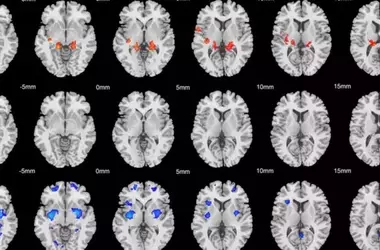
Brain Scans Uncover Two Distinct ADHD Subtypes
A groundbreaking study published in 'General Psychiatry' reveals that Attention-Deficit/Hyperactivity Disorder (ADHD) is not a monolithic condition but comprises at least two distinct structural brain subtypes. Utilizing MRI data, researchers identified unique physical characteristics and behavioral patterns associated with each subtype. This discovery paves the way for highly personalized diagnostic and treatment strategies, moving beyond current generalized approaches. The findings highlight the complexity of ADHD and the potential for precision medicine in neurodevelopmental disorders.
 Mar 06, 2026
ADHD Medication's Long-Term Impact on Brain Development
A recent study published in "Progress in Neuro-Psychopharmacology and Biological Psychiatry" indicates that the extended use of stimulant medications for ADHD does not result in permanent alterations to brain development. The research followed adolescents and adults with ADHD, examining brain responses to methylphenidate over four years. While short-term effects were observed, they did not persist, suggesting the brain's neuroplasticity. The findings offer reassurance regarding the safety of long-term stimulant therapy for ADHD.