 Breaking News & Live Updates
- Breaking News & Live Updates
- Breaking News & Live Updates
- Breaking News & Live Updates
- Breaking News & Live Updates
- Breaking News & Live Updates
- Breaking News & Live Updates
- Breaking News & Live Updates
- Breaking News & Live Updates
- Breaking News & Live Updates
Understanding and Managing ADHD: A Comprehensive Approach
Understanding Attention-Deficit/Hyperactivity Disorder (ADHD) requires a nuanced perspective that moves beyond common misconceptions, positioning it primarily as a regulatory disorder rather than a simple deficit of attention. Dr. Stephen Hinshaw, a leading authority in the field, underscores that the core challenge for individuals with ADHD often lies in their difficulty transitioning between tasks and maintaining focus when necessary. This condition necessitates a collaborative effort among children, educators, and guardians, highlighting its far-reaching impact on various aspects of life. Distinguishing ADHD from typical childhood exuberance is crucial; while many young individuals exhibit transient behavioral patterns, those with ADHD display persistent and extreme levels of inattention, distractibility, hyperactivity, and impulsivity.

Effective management of ADHD involves a multifaceted approach that integrates behavioral strategies, parental guidance, and, when appropriate, medication. Behavioral interventions are pivotal, focusing on positive reinforcement and breaking down goals into achievable steps to foster self-esteem and motivation. Parent Management Training (PMT) equips parents with essential skills to implement reward systems, manage challenging behaviors, and maintain a positive home environment. This training also helps parents address their own potential ADHD symptoms, which can significantly enhance their engagement and consistency in supporting their children. Educators play a vital role by creating flexible classroom settings that accommodate diverse learning styles and provide both structure and opportunities for movement, fostering an environment where students with ADHD can thrive. Furthermore, medication, primarily stimulants that regulate dopamine, can be an effective component of treatment, working in conjunction with behavioral therapies to improve focus, executive functions, and impulse control. However, careful evaluation and individualized trials are essential to determine the most suitable medication and dosage, with non-stimulant alternatives also available for some individuals.
Ultimately, addressing ADHD is a journey that demands comprehensive evaluation, personalized treatment plans, and continuous support. A thorough assessment goes beyond neurological scans, emphasizing the collection of detailed behavioral and emotional patterns from daily life, including input from parents and teachers, alongside a developmental history. This holistic view helps differentiate ADHD from other conditions with similar symptoms, such as seizure disorders or trauma, the latter of which can exacerbate ADHD's challenges. The goal is not merely to mitigate symptoms but to empower individuals with ADHD to leverage their strengths and pursue paths where they can excel. By fostering a supportive ecosystem that combines medical insights with tailored behavioral strategies and a deep understanding of each child's unique needs, we can ensure that every individual with ADHD receives the opportunity to build resilience, achieve their potential, and lead fulfilling lives, transforming what might seem like a limitation into a foundation for unique strengths and accomplishments.
Other Articles

Understanding Attention Deficit Hyperactivity Disorder: Beyond the Myths
This article delves into Attention Deficit Hyperactivity Disorder (ADHD), clarifying that it's not a mere inability to pay attention but a difficulty in regulating focus. It explores the disorder's manifestations, its psychobiological underpinnings, and the critical importance of proper diagnostic methods, emphasizing a comprehensive approach beyond brief clinical assessments. The piece highlights the significant impact of ADHD on individuals' lives and the evolving guidelines for its identification and management.
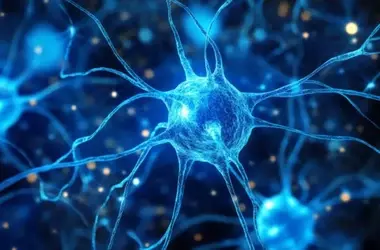
Caloric restriction could potentially slow brain aging
New research indicates that reducing calorie intake over an extended period might decelerate the biological aging process of supporting cells within the primate brain. The study presents evidence suggesting that a 30% reduction in calories helps maintain the metabolic function of cells responsible for insulating nerve fibers, thereby preserving white matter integrity and potentially preventing age-related cognitive decline.
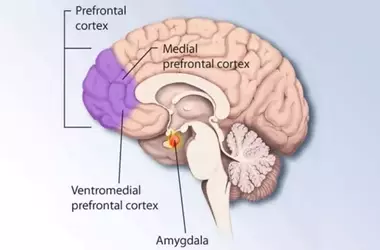
Prefrontal Cortex Uses Distinct Pathways to Modulate Visual Processing
A study published in Neuron reveals that the prefrontal cortex doesn't send a generic signal to the visual system. Instead, it utilizes specialized neural pathways to fine-tune visual perception based on an animal's arousal levels and physical activity. This research challenges the traditional view of the brain's executive center, suggesting a more precise and context-dependent communication method to interpret the environment according to immediate goals and internal states.
Chronic Caffeine and Sleep: A Deeper Look
New research published in the Journal of Psychopharmacology explores the long-term effects of habitual caffeine intake on sleep patterns. The study, utilizing data from the UK Biobank and HypnoLaus cohort, reveals that while high daily caffeine consumption may slightly reduce total sleep duration, it significantly increases sleep depth, characterized by stronger delta wave activity. This suggests a compensatory mechanism in the brain, allowing individuals to achieve more restorative sleep despite shorter durations.
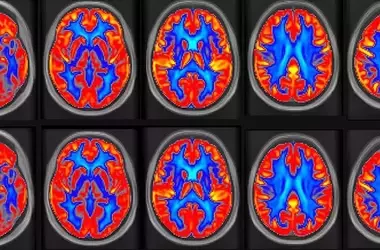
Peanut Consumption Boosts Brain Function and Memory in Older Adults
A recent study published in Clinical Nutrition indicates that regular consumption of unsalted, skin-roasted peanuts significantly improves brain vascular function and verbal memory in older individuals. The research, conducted over 16 weeks, revealed enhanced blood flow to key brain regions and better retention of verbal information, suggesting peanuts could be a valuable dietary component for healthy aging.

Cannabis Use Linked to Reduced Alcohol Consumption
A recent study suggests that for individuals who consume substantial amounts of alcohol, cannabis use may lead to a decrease in alcohol intake. This observed reduction appears to be associated with diminished alcohol cravings following cannabis use, proposing a potential explanation for why some individuals might opt to use cannabis as an alternative to alcohol. The findings, published in 'Drug and Alcohol Dependence', shed light on the complex interplay between these two substances.