 Breaking News & Live Updates
- Breaking News & Live Updates
- Breaking News & Live Updates
- Breaking News & Live Updates
- Breaking News & Live Updates
- Breaking News & Live Updates
- Breaking News & Live Updates
- Breaking News & Live Updates
- Breaking News & Live Updates
- Breaking News & Live Updates
Understanding Attention Deficit Hyperactivity Disorder: Beyond the Myths
Attention Deficit Hyperactivity Disorder (ADHD) is frequently misunderstood as a simple lack of focus. However, its core characteristic lies in a person's struggle to manage their attention in response to changing demands, rather than an outright inability to concentrate. Recognizing the multifaceted nature of ADHD and adopting evidence-based diagnostic approaches are crucial for effective intervention and support.

Dissecting Attention Deficit Hyperactivity Disorder: Symptoms, Science, and Solutions
In the intricate landscape of neurodevelopmental conditions, Attention Deficit Hyperactivity Disorder (ADHD) frequently emerges as a subject of widespread misunderstanding. This condition, rather than signifying a mere deficit in attention, truly represents a profound challenge in regulating one's focus amidst shifting situational demands. Research indicates a significant genetic predisposition, rendering approximately five percent of children vulnerable to its serious impacts. These impacts span academic underperformance, strained social connections, heightened risks of accidental harm, and increased susceptibility to self-injurious behaviors, all of which pose considerable obstacles to thriving in a structured society.
ADHD manifests primarily through two distinct symptom clusters: inattention, characterized by disorganization and difficulties in sustaining focus, and hyperactivity-impulsivity, marked by impulsive actions, restlessness, and excessive movement. A child predominantly displaying issues with concentration and organization, without significant hyperactive traits, might be diagnosed with the “inattentive presentation.” Conversely, a youngster who is exceptionally impulsive and frequently interrupts but generally maintains focus, especially common among preschoolers, could receive a diagnosis of the “hyperactive-impulsive presentation.” Nevertheless, the most commonly observed clinical scenario involves children exhibiting a combination of both inattention and hyperactivity-impulsivity, struggling with tasks such as following instructions, organizing homework, and remaining still.
Addressing the persistent myths, ADHD possesses a verifiable psychobiological basis. Its symptoms are highly heritable, underscoring the dominant role of genetic factors in determining an individual's susceptibility. While genetic predisposition is key, environmental elements such as inconsistent home discipline, frequent domestic disputes, and disorganized classroom settings can undoubtedly exacerbate and perpetuate these symptoms. Diagnosing ADHD can be particularly complex; regrettably, many diagnoses occur during brief consultations, lacking comprehensive assessments. A thorough diagnosis necessitates evidence-based rating scales completed by parents and educators, a detailed developmental history, and appropriate diagnostic evaluations.
In recent months, the American Academy of Pediatrics (AAP) and the Society for Developmental and Behavioral Pediatrics (SDBP) have released updated guidelines for the assessment and management of ADHD. These recommendations advocate for the use of standardized parent and teacher rating scales to ascertain a child's percentile ranking in areas such as disorganization, inattentiveness, and impulsivity. Furthermore, these guidelines suggest that a healthcare provider or an assistant observe the child within their classroom environment to evaluate the level of disorganization present. This comprehensive approach emphasizes that an accurate diagnosis requires considerable time and diligent effort in gathering and interpreting pertinent information.
From a journalist's perspective, this re-evaluation of ADHD underscores the critical importance of dispelling long-held misconceptions. It's a powerful reminder that complex neurodevelopmental conditions demand a nuanced understanding, moving beyond simplistic explanations like 'lax parenting' or 'lazy children.' The revised diagnostic guidelines from leading pediatric organizations signify a pivotal shift towards a more thorough, evidence-based, and compassionate approach to identifying and supporting individuals with ADHD. This evolution in understanding and practice is not merely academic; it has profound implications for countless children and families, offering a pathway to more effective interventions and, ultimately, a better quality of life. It compels us to advocate for greater public awareness and the implementation of these comprehensive diagnostic protocols across healthcare and educational systems.
Other Articles
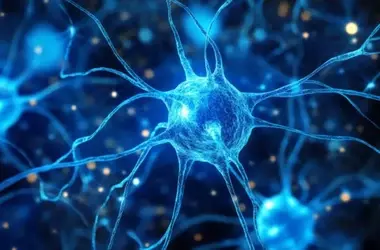
Caloric restriction could potentially slow brain aging
New research indicates that reducing calorie intake over an extended period might decelerate the biological aging process of supporting cells within the primate brain. The study presents evidence suggesting that a 30% reduction in calories helps maintain the metabolic function of cells responsible for insulating nerve fibers, thereby preserving white matter integrity and potentially preventing age-related cognitive decline.
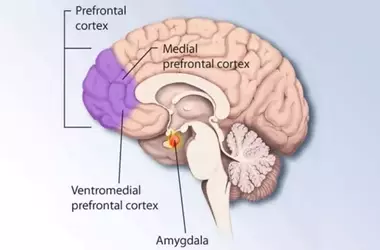
Prefrontal Cortex Uses Distinct Pathways to Modulate Visual Processing
A study published in Neuron reveals that the prefrontal cortex doesn't send a generic signal to the visual system. Instead, it utilizes specialized neural pathways to fine-tune visual perception based on an animal's arousal levels and physical activity. This research challenges the traditional view of the brain's executive center, suggesting a more precise and context-dependent communication method to interpret the environment according to immediate goals and internal states.
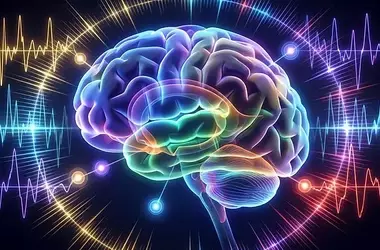
Chronic Caffeine and Sleep: A Deeper Look
New research published in the Journal of Psychopharmacology explores the long-term effects of habitual caffeine intake on sleep patterns. The study, utilizing data from the UK Biobank and HypnoLaus cohort, reveals that while high daily caffeine consumption may slightly reduce total sleep duration, it significantly increases sleep depth, characterized by stronger delta wave activity. This suggests a compensatory mechanism in the brain, allowing individuals to achieve more restorative sleep despite shorter durations.
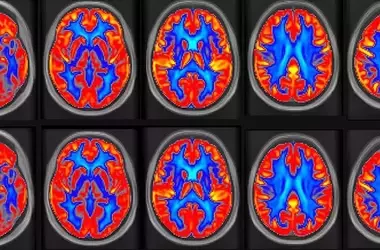
Peanut Consumption Boosts Brain Function and Memory in Older Adults
A recent study published in Clinical Nutrition indicates that regular consumption of unsalted, skin-roasted peanuts significantly improves brain vascular function and verbal memory in older individuals. The research, conducted over 16 weeks, revealed enhanced blood flow to key brain regions and better retention of verbal information, suggesting peanuts could be a valuable dietary component for healthy aging.

Cannabis Use Linked to Reduced Alcohol Consumption
A recent study suggests that for individuals who consume substantial amounts of alcohol, cannabis use may lead to a decrease in alcohol intake. This observed reduction appears to be associated with diminished alcohol cravings following cannabis use, proposing a potential explanation for why some individuals might opt to use cannabis as an alternative to alcohol. The findings, published in 'Drug and Alcohol Dependence', shed light on the complex interplay between these two substances.
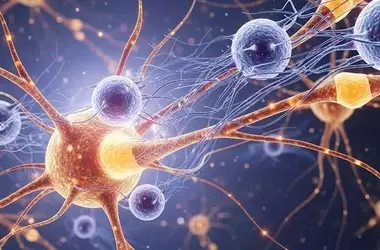
Brain's Immune Cells Regulate Anxiety: A New Perspective Beyond Neurons
A study published in Molecular Psychiatry reveals that specific immune cells in the mouse brain, known as microglia, directly cause chronic anxiety and compulsive grooming. The research highlights two distinct microglial lineages: one promotes these behaviors (accelerator), while the other suppresses them (brake). These findings shift the focus from neurons to the brain's immune system as a key regulator of certain psychiatric conditions, offering new avenues for therapeutic development.