 Breaking News & Live Updates
- Breaking News & Live Updates
- Breaking News & Live Updates
- Breaking News & Live Updates
- Breaking News & Live Updates
- Breaking News & Live Updates
- Breaking News & Live Updates
- Breaking News & Live Updates
- Breaking News & Live Updates
- Breaking News & Live Updates
Caloric restriction could potentially slow brain aging
A recent investigation indicates that sustained caloric reduction might decelerate the biological aging of brain support cells in primates. This research highlights that a 30% decrease in calorie intake helps preserve the metabolic functions of cells critical for nerve fiber insulation. These findings, published in Aging Cell, underscore the potential of dietary interventions to influence brain health.
The brain's intricate communication networks heavily rely on white matter, which comprises nerve fibers protected by a myelin sheath. As primates age, this white matter often degenerates, leading to cognitive impairment and slower processing. Scientists are increasingly focusing on glial cells, previously thought to be mere structural support, but now recognized as active participants in maintaining brain health. Oligodendrocytes produce myelin, while microglia function as the brain's immune cells. Malfunctions in these cells due to aging can contribute to white matter degradation. While rodent studies have shown that calorie restriction can extend lifespan and delay age-related diseases, its impact on the more complex primate brain has been less understood.
To explore this, researchers studied the effects of long-term calorie restriction on rhesus monkeys, a suitable model for human aging. They analyzed brain tissue from monkeys on a calorie-restricted diet for over two decades compared to those on a standard diet. Using single nuclei RNA sequencing on samples from aged male rhesus monkeys, the team examined gene expression in the anterior corpus callosum, a white matter-rich region. They discovered that oligodendrocytes from calorie-restricted monkeys exhibited superior metabolic health, with higher expression of genes involved in glycolysis and fatty acid biosynthesis, crucial for energy and myelin maintenance. Conversely, the control group's oligodendrocytes showed signs of stress and immune activation. Furthermore, a specific subpopulation of "synaptic" oligodendrocytes in the calorie-restricted group showed increased expression of NLGN1, a gene associated with cellular connections, and were found to be in closer proximity to nerve axons. Microglia in the calorie-restricted group displayed gene patterns linked to protein synthesis and metabolism, while control microglia showed elevated inflammation and oxidative stress. Notably, calorie-restricted monkeys had fewer myelin debris-filled microglia, suggesting improved waste clearance or prevention of myelin damage. Although the study had limitations, such as a small sample size and primary focus on male subjects, it offers compelling evidence that dietary strategies can positively influence the aging brain at a cellular level. The findings suggest that metabolic reprogramming of glial cells is a promising avenue for preserving white matter integrity.
This study illuminates a path toward enhancing brain resilience through nutritional choices. By understanding how dietary interventions can impact cellular health, we can foster a proactive approach to maintaining cognitive function and overall well-being as we age, promoting a future where longevity is coupled with mental vitality.
Other Articles
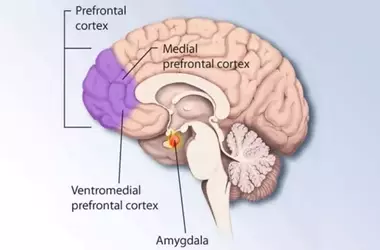
Prefrontal Cortex Uses Distinct Pathways to Modulate Visual Processing
A study published in Neuron reveals that the prefrontal cortex doesn't send a generic signal to the visual system. Instead, it utilizes specialized neural pathways to fine-tune visual perception based on an animal's arousal levels and physical activity. This research challenges the traditional view of the brain's executive center, suggesting a more precise and context-dependent communication method to interpret the environment according to immediate goals and internal states.
Chronic Caffeine and Sleep: A Deeper Look
New research published in the Journal of Psychopharmacology explores the long-term effects of habitual caffeine intake on sleep patterns. The study, utilizing data from the UK Biobank and HypnoLaus cohort, reveals that while high daily caffeine consumption may slightly reduce total sleep duration, it significantly increases sleep depth, characterized by stronger delta wave activity. This suggests a compensatory mechanism in the brain, allowing individuals to achieve more restorative sleep despite shorter durations.
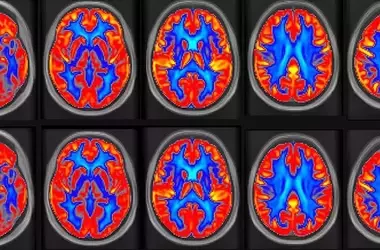
Peanut Consumption Boosts Brain Function and Memory in Older Adults
A recent study published in Clinical Nutrition indicates that regular consumption of unsalted, skin-roasted peanuts significantly improves brain vascular function and verbal memory in older individuals. The research, conducted over 16 weeks, revealed enhanced blood flow to key brain regions and better retention of verbal information, suggesting peanuts could be a valuable dietary component for healthy aging.

Cannabis Use Linked to Reduced Alcohol Consumption
A recent study suggests that for individuals who consume substantial amounts of alcohol, cannabis use may lead to a decrease in alcohol intake. This observed reduction appears to be associated with diminished alcohol cravings following cannabis use, proposing a potential explanation for why some individuals might opt to use cannabis as an alternative to alcohol. The findings, published in 'Drug and Alcohol Dependence', shed light on the complex interplay between these two substances.
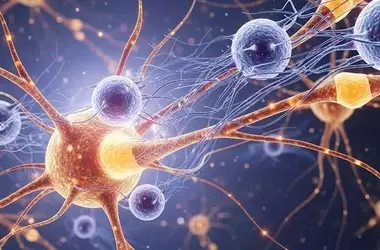
Brain's Immune Cells Regulate Anxiety: A New Perspective Beyond Neurons
A study published in Molecular Psychiatry reveals that specific immune cells in the mouse brain, known as microglia, directly cause chronic anxiety and compulsive grooming. The research highlights two distinct microglial lineages: one promotes these behaviors (accelerator), while the other suppresses them (brake). These findings shift the focus from neurons to the brain's immune system as a key regulator of certain psychiatric conditions, offering new avenues for therapeutic development.
Brain Networks Decode Sound and Anticipate Auditory Sequences
A recent scientific inquiry, documented in "Advanced Science," unveils that the human brain utilizes two extensive, distinct neural networks to process and anticipate familiar sound patterns. One network is primarily responsible for general acoustic processing, while the other is specifically dedicated to matching incoming auditory information with stored memories and identifying discrepancies. These revelations deepen our comprehension of how varied neural systems collaborate to facilitate intricate cognitive functions.