 Breaking News & Live Updates
- Breaking News & Live Updates
- Breaking News & Live Updates
- Breaking News & Live Updates
- Breaking News & Live Updates
- Breaking News & Live Updates
- Breaking News & Live Updates
- Breaking News & Live Updates
- Breaking News & Live Updates
- Breaking News & Live Updates
Non-Invasive Brain Stimulation Boosts Creative Thinking and Idea Generation
Emerging research sheds light on the transformative potential of non-invasive brain stimulation, particularly alpha frequency transcranial alternating current stimulation (alpha tACS), in elevating creative thought processes. This innovative technique, applied to the parieto-occipital region of the brain, has been observed to significantly amplify key components of creative thinking, including the generation of novel ideas, cognitive flexibility, verbal fluency, and the overall originality and elaborative qualities of thoughts. These fascinating findings underscore the capacity of targeted brain modulation to unlock and enhance human creativity.
Breakthrough Study Reveals Alpha tACS's Impact on Creative Cognition
In a groundbreaking experimental investigation conducted by researchers at Qufu Normal University in China, a cohort of 28 undergraduate students, with an average age of 20 years, participated in a meticulously designed study. The objective was to determine whether alpha tACS, a method employing weak electrical currents at the brain's natural alpha rhythm (8–12 Hz) to synchronize neuronal oscillations, could positively influence creative performance. This non-invasive technique, known for its safety and mild sensations, aims to reduce habitual thinking patterns and foster flexible, internally directed idea generation.
Employing a within-participant design, each student underwent two separate sessions, spaced 24 to 48 hours apart to prevent any lingering effects. One session involved active alpha tACS delivered via the NeuStim transcranial electrical stimulation system, while the other comprised a sham (placebo) stimulation. The active stimulation lasted for 20 minutes, whereas the sham treatment involved only a brief 10-second burst of stimulation at the beginning and end, unbeknownst to the participants. Following each stimulation period, participants engaged in the Alternative Uses Task (AUT), a creative thinking assessment, while their brain activity was meticulously recorded using electroencephalography (EEG).
The results were remarkably clear: under active alpha tACS conditions, participants demonstrated substantially higher levels of novelty, flexibility, fluency, originality, and elaboration in their responses compared to their performance during the sham condition. Further analysis confirmed a significant increase in alpha power within the parieto-occipital regions during active stimulation, indicating enhanced strength and amplitude of neural oscillations. These compelling outcomes suggest that alpha tACS holds promise as a powerful neuromodulatory tool for augmenting creative cognitive processes.
This study represents a significant stride in understanding how non-invasive brain stimulation can be harnessed to boost human creativity. While the research was conducted on a relatively small group, its implications are profound, opening new avenues for exploration into cognitive enhancement. Future investigations with larger and more diverse populations will be crucial to further validate and expand upon these exciting findings. The potential for alpha tACS to not only deepen our scientific understanding of the brain but also to offer practical applications for fostering innovation and problem-solving is immense. It encourages us to consider the future where targeted brain stimulation could become a regular practice for individuals seeking to unleash their creative potential.
Other Articles
Neurodiverse Youth: Brain Activity Shifts Inward to Manage Sensory Overload
A recent study in the Journal of Neurodevelopmental Disorders reveals a unique brain activity pattern in neurodiverse children with sensory over-responsivity. These children appear to regulate overwhelming stimuli by reducing external sensory network connectivity and increasing internal cognitive control network activity. This adaptive mechanism helps them cope with intense sights and sounds, offering new insights into the biological underpinnings of sensory processing challenges and potentially paving the way for objective diagnostic tools.

Understanding and Managing ADHD: A Comprehensive Approach
Dr. Stephen Hinshaw, an expert in ADHD, clarifies that it's primarily a regulatory disorder, not just an attention deficit. He emphasizes a collaborative approach involving children, schools, and parents. The article delves into the manifestations of ADHD, differentiating it from typical childhood behaviors, and highlights its potential long-term impacts. It also explores various treatment strategies, including behavioral interventions, parent management training, and medication, stressing the importance of a holistic and individualized approach to support affected individuals.

Understanding Attention Deficit Hyperactivity Disorder: Beyond the Myths
This article delves into Attention Deficit Hyperactivity Disorder (ADHD), clarifying that it's not a mere inability to pay attention but a difficulty in regulating focus. It explores the disorder's manifestations, its psychobiological underpinnings, and the critical importance of proper diagnostic methods, emphasizing a comprehensive approach beyond brief clinical assessments. The piece highlights the significant impact of ADHD on individuals' lives and the evolving guidelines for its identification and management.
Caloric restriction could potentially slow brain aging
New research indicates that reducing calorie intake over an extended period might decelerate the biological aging process of supporting cells within the primate brain. The study presents evidence suggesting that a 30% reduction in calories helps maintain the metabolic function of cells responsible for insulating nerve fibers, thereby preserving white matter integrity and potentially preventing age-related cognitive decline.
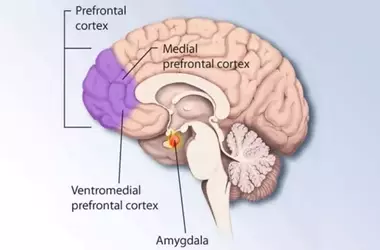
Prefrontal Cortex Uses Distinct Pathways to Modulate Visual Processing
A study published in Neuron reveals that the prefrontal cortex doesn't send a generic signal to the visual system. Instead, it utilizes specialized neural pathways to fine-tune visual perception based on an animal's arousal levels and physical activity. This research challenges the traditional view of the brain's executive center, suggesting a more precise and context-dependent communication method to interpret the environment according to immediate goals and internal states.

Chronic Caffeine and Sleep: A Deeper Look
New research published in the Journal of Psychopharmacology explores the long-term effects of habitual caffeine intake on sleep patterns. The study, utilizing data from the UK Biobank and HypnoLaus cohort, reveals that while high daily caffeine consumption may slightly reduce total sleep duration, it significantly increases sleep depth, characterized by stronger delta wave activity. This suggests a compensatory mechanism in the brain, allowing individuals to achieve more restorative sleep despite shorter durations.