 Breaking News & Live Updates
- Breaking News & Live Updates
- Breaking News & Live Updates
- Breaking News & Live Updates
- Breaking News & Live Updates
- Breaking News & Live Updates
- Breaking News & Live Updates
- Breaking News & Live Updates
- Breaking News & Live Updates
- Breaking News & Live Updates
Neurodiverse Youth: Brain Activity Shifts Inward to Manage Sensory Overload
A new study sheds light on how neurodiverse children manage sensory overload, suggesting an adaptive brain mechanism. These findings reveal that children highly sensitive to everyday stimuli may unconsciously adjust their brain networks to mitigate overwhelming sensory input. This research, published in the Journal of Neurodevelopmental Disorders, identifies a distinct neural signature that could redefine our understanding of sensory processing challenges.
Sensory processing issues, particularly sensory over-responsivity, are common concerns among parents and clinicians. Children affected by this condition exhibit intense physical or emotional reactions to stimuli that others might find trivial. Such triggers can include specific fabric textures, the sound of a vacuum cleaner, or bright lights. While often associated with conditions like autism or ADHD, these sensitivities also appear in children without a specific diagnosis. Current diagnostic methods rely heavily on caregiver observations and clinical assessments, lacking objective biological markers. This study aimed to bridge this gap by exploring the neural basis of sensory over-responsivity and the interplay between different brain systems during sensory processing.
Understanding Brain Responses to Sensory Input
Researchers investigated the distinct brain activity patterns in neurodiverse children who experience heightened sensory reactions. Their findings indicate that these children often exhibit reduced connectivity in outward-facing brain networks responsible for processing external sensory data, alongside elevated activity in inward-focused networks governing attention and cognitive control. This suggests an adaptive strategy where the brain minimizes external sensory input while enhancing internal regulatory mechanisms to maintain composure in overwhelming environments.
The study, conducted by a multidisciplinary team from the University of California, San Francisco, utilized magnetic resonance imaging (MRI) on 83 neurodiverse children aged 8-12. Participants were divided into groups based on their sensory over-responsivity, excluding those with confirmed autism to ensure sample consistency. The imaging revealed a 'double dissociation': children with sensory over-responsivity showed decreased connectivity in exogenous (outward-facing) networks and increased connectivity in endogenous (inward-facing) networks. Conversely, neurodiverse children without sensory issues displayed the opposite pattern. This pattern, particularly strong in resilient children with sensory over-responsivity, suggests an unconscious coping mechanism where the brain downregulates external sensory processing while upregulating internal cognitive control to manage intense stimuli and maintain emotional balance. The researchers also noted reduced structural integrity in white matter pathways associated with visual and motor signals in sensory-sensitive children.
Implications for Diagnosis and Future Research
The discovery of specific brain patterns linked to sensory over-responsivity holds significant promise for developing objective diagnostic tools and informing therapeutic strategies. The ability to distinguish between affected and unaffected individuals with high accuracy through machine learning applied to neuroimaging data underscores the biological foundation of this condition. While further validation in larger and more diverse populations, including those with autism, is necessary, these insights pave the way for a deeper understanding of how the brain adapts to sensory challenges.
This research identified that the distinct brain pattern of low sensory connectivity and high regulatory connectivity is particularly prominent in resilient children with sensory over-responsivity. This indicates that this neural signature might be an adaptive mechanism, enabling these children to cope with sensory overload by unconsciously suppressing external sensory input and boosting internal cognitive control. Machine learning algorithms successfully classified children with and without sensory over-responsivity with nearly 90% accuracy using functional MRI and white matter data, suggesting a robust biological basis for the condition. However, the study's limitations, including a relatively small sample size and the exclusion of children with autism, highlight the need for future longitudinal studies to track brain network development and explore the impact of interventions like occupational therapy. Understanding whether these brain patterns precede sensory issues or develop in response to them will be crucial for effective early intervention and treatment.
Other Articles

Understanding and Managing ADHD: A Comprehensive Approach
Dr. Stephen Hinshaw, an expert in ADHD, clarifies that it's primarily a regulatory disorder, not just an attention deficit. He emphasizes a collaborative approach involving children, schools, and parents. The article delves into the manifestations of ADHD, differentiating it from typical childhood behaviors, and highlights its potential long-term impacts. It also explores various treatment strategies, including behavioral interventions, parent management training, and medication, stressing the importance of a holistic and individualized approach to support affected individuals.

Understanding Attention Deficit Hyperactivity Disorder: Beyond the Myths
This article delves into Attention Deficit Hyperactivity Disorder (ADHD), clarifying that it's not a mere inability to pay attention but a difficulty in regulating focus. It explores the disorder's manifestations, its psychobiological underpinnings, and the critical importance of proper diagnostic methods, emphasizing a comprehensive approach beyond brief clinical assessments. The piece highlights the significant impact of ADHD on individuals' lives and the evolving guidelines for its identification and management.
Caloric restriction could potentially slow brain aging
New research indicates that reducing calorie intake over an extended period might decelerate the biological aging process of supporting cells within the primate brain. The study presents evidence suggesting that a 30% reduction in calories helps maintain the metabolic function of cells responsible for insulating nerve fibers, thereby preserving white matter integrity and potentially preventing age-related cognitive decline.
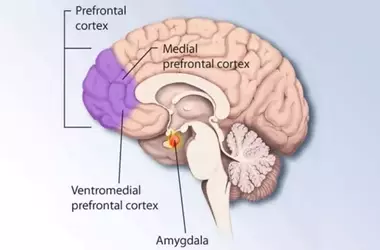
Prefrontal Cortex Uses Distinct Pathways to Modulate Visual Processing
A study published in Neuron reveals that the prefrontal cortex doesn't send a generic signal to the visual system. Instead, it utilizes specialized neural pathways to fine-tune visual perception based on an animal's arousal levels and physical activity. This research challenges the traditional view of the brain's executive center, suggesting a more precise and context-dependent communication method to interpret the environment according to immediate goals and internal states.
Chronic Caffeine and Sleep: A Deeper Look
New research published in the Journal of Psychopharmacology explores the long-term effects of habitual caffeine intake on sleep patterns. The study, utilizing data from the UK Biobank and HypnoLaus cohort, reveals that while high daily caffeine consumption may slightly reduce total sleep duration, it significantly increases sleep depth, characterized by stronger delta wave activity. This suggests a compensatory mechanism in the brain, allowing individuals to achieve more restorative sleep despite shorter durations.
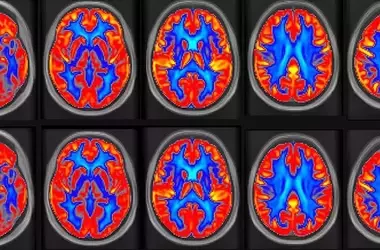
Peanut Consumption Boosts Brain Function and Memory in Older Adults
A recent study published in Clinical Nutrition indicates that regular consumption of unsalted, skin-roasted peanuts significantly improves brain vascular function and verbal memory in older individuals. The research, conducted over 16 weeks, revealed enhanced blood flow to key brain regions and better retention of verbal information, suggesting peanuts could be a valuable dietary component for healthy aging.