 Breaking News & Live Updates
- Breaking News & Live Updates
- Breaking News & Live Updates
- Breaking News & Live Updates
- Breaking News & Live Updates
- Breaking News & Live Updates
- Breaking News & Live Updates
- Breaking News & Live Updates
- Breaking News & Live Updates
- Breaking News & Live Updates
Brain Chemistry's Role in Error Sensitivity and Mental Health
A recent investigation has uncovered a compelling correlation between the abundance of a crucial neurotransmitter in the brain and an individual's propensity to react intensely to perceived errors. This heightened response to missteps appears to be a significant factor in the co-occurrence of anxiety and depressive symptoms. The findings from this research were detailed in the prestigious journal, Frontiers in Neuroscience.
Details of the Investigation into Brain Chemistry and Mental Health
The research, spearheaded by lead author Haeorum Park and senior author Bumseok Jeong from the Korea Advanced Institute of Science and Technology, aimed to decipher how baseline levels of excitatory brain chemicals influence how individuals process rewards and penalties, and subsequently, how these mechanisms tie into general mental well-being. Their work sheds light on the anterior insular cortex, a deep-seated brain structure vital for integrating sensory data, emotional states, and unforeseen outcomes. This region often exhibits amplified activity in anxious individuals, particularly when scrutinizing their own errors or confronting potential dangers.
The study involved 52 healthy young adults. Initially, participants completed a series of standardized questionnaires designed to assess their current anxiety and depression levels. These responses were then synthesized into a single metric reflecting each individual's overall susceptibility to internalizing disorders. After several days, the volunteers underwent brain imaging using magnetic resonance spectroscopy (MRS). Unlike standard functional imaging that maps blood flow, MRS allows for precise measurement of specific molecular concentrations within targeted brain tissues. The researchers concentrated their MRS analysis on two key areas implicated in mood regulation and decision-making: the anterior insula and the medial prefrontal cortex.
During the brain scans, participants engaged in a computer-based learning task. They were required to make repeated choices between two options, each presenting different probabilities of favorable outcomes. Through trial and error, they learned to navigate these hidden probabilities across two distinct phases: a penalty phase, where the goal was to avoid losing points, and a reward phase, focused on gaining points. The researchers utilized mathematical models to analyze how participants adapted their behavior following unexpected results, quantifying their 'prediction error sensitivity' – the degree to which unexpected outcomes influenced subsequent choices.
A significant discovery emerged: individuals with higher resting levels of the glutamate-glutamine mixture in their anterior insula displayed a markedly stronger sensitivity to these prediction errors, reacting more intensely to both unexpected gains and losses. This fundamental difference in learning style directly corresponded with the mental health assessments. Elevated resting levels of the excitatory chemical reliably predicted higher scores on the combined anxiety and depression index. The statistical models further indicated that this intense sensitivity to errors acted as an intermediary, bridging the gap between brain chemistry and the observed mood disorder scores. In essence, the behavioral trait explained the biological observation; brain chemistry alone didn't directly cause anxiety or depression, but rather amplified an individual's focus on mistakes, thereby heightening their vulnerability to chronic distress.
These patterns were specifically observed in the insula, while excitatory chemical levels in the medial prefrontal cortex showed no such correlations. The researchers propose that the insula is crucial for the immediate detection of important outcomes, while the prefrontal cortex may play a role in long-term mood regulation. Interestingly, during the reward-seeking phases of the experiment, the concentration of the glutamate mixture in the insula temporarily decreased, not immediately returning to baseline afterward. This acute dip suggests that learning from positive reinforcement involves a temporary metabolic shift, though the underlying biological predisposition remained the strongest predictor of error sensitivity.
The investigators acknowledge certain limitations, including the relatively small sample size, which restricts the statistical power to detect subtle individual differences. Furthermore, as an observational study, it cannot definitively establish that high glutamate levels directly cause anxiety and depression; prolonged negative moods could potentially alter brain metabolism. The time interval between questionnaire completion and brain scans also introduced potential external variables. Future studies will need to track participants over longer durations to observe the evolution of these chemical markers, explore broader neural networks, and potentially test interventions targeting excitatory chemical levels to assist those who excessively dwell on their mistakes.
This groundbreaking study, titled "Anterior insular cortex glutamate-glutamine (Glx) levels predict general psychopathology via heightened error sensitivity," was the collaborative effort of Haeorum Park, Minchul Kim, Jaejoong Kim, Sunghwan Kim, and Bumseok Jeong.
This study provides profound insights into the intricate relationship between brain chemistry, cognitive processing, and mental health. It reinforces the understanding that our biological makeup significantly influences our psychological experiences, particularly how we perceive and react to setbacks. The finding that heightened sensitivity to errors acts as a critical link between glutamate levels and symptoms of anxiety and depression offers a new avenue for intervention. Instead of solely focusing on managing symptoms, future therapeutic approaches could explore strategies to modulate this error sensitivity, potentially by targeting glutamate pathways or developing cognitive behavioral therapies that specifically address excessive self-criticism and worry about mistakes. This research opens doors for more personalized and biologically informed treatments for common mental health challenges, moving us closer to understanding the root causes of psychological distress.
Other Articles

Head Trauma in Contact Sports Linked to Blood-Brain Barrier Dysfunction and Cognitive Decline
A new study reveals a correlation between extensive blood-brain barrier disruption and accelerated cognitive decline in retired athletes from combat and collision sports. The research, published in Science Translational Medicine, suggests that repetitive head trauma may lead to persistent inflammation and compromised brain barrier integrity, contributing to long-term neurological issues. These findings underscore the importance of understanding and mitigating the risks associated with head impacts in sports.
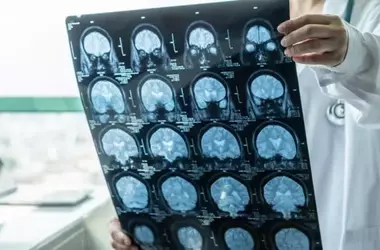
Brain Scan Study Uncovers Physical Foundations of PTSD's Intrusive Symptoms
New research published in "Biological Psychiatry: Cognitive Neuroscience and Neuroimaging" suggests that the structural integrity of specific white matter pathways in the brain influences the intensity and nature of intrusive traumatic memories in individuals with PTSD. The study, involving 114 trauma-exposed adults, found that weaker connections in certain brain regions correlated with more frequent intrusive memories and a heightened sense of reliving traumatic events, shedding light on the neurological underpinnings of these distressing symptoms.
Genetic Predisposition for ADHD Linked to Irregular Brain Rhythms Essential for Cognitive Control
A recent study published in "Translational Psychiatry" reveals a direct correlation between genetic scores for Attention-Deficit/Hyperactivity Disorder (ADHD) and inconsistent timing in midfrontal theta brain waves. These brain waves are critical for cognitive control, enabling individuals to maintain focus and achieve goals. The research highlights how genetic predispositions manifest as tangible disruptions in neural activity, providing new avenues for understanding and potentially treating ADHD.
Researchers Uncover Brain 'Entrapment' Patterns in Depression
New research published in Nature Communications reveals that major depressive disorder is characterized by the brain getting "stuck" in specific, maladaptive activity patterns. Using advanced neuroimaging and network control theory, scientists mapped how altered white matter pathways force depressed brains to expend more energy to transition between states, leading to a cycle of negative thoughts and anhedonia. This groundbreaking study shifts the understanding of depression from static brain differences to dynamic neural entrapment, paving the way for more targeted interventions.

Optimizing Your Diet for Cardiovascular Health
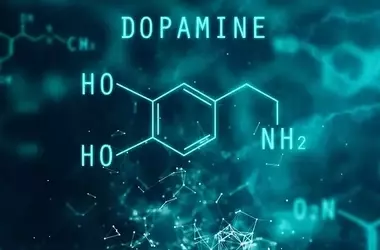
Social Support Fuels Courage: How Dopamine Rewires the Brain for Risk-Taking
New research in mice explores the neural pathways enabling companionship to enhance courage and reduce risk aversion. Scientists identified that social interaction alters dopamine neuron activity in the ventral tegmental area, shifting it from phasic (bursts) to tonic (steady) firing. This change influences distinct dopamine pathways leading to the basolateral amygdala and medial prefrontal cortex, ultimately promoting motivated exploration in dangerous situations. The study sheds light on the biological underpinnings of social support's impact on decision-making.