 Breaking News & Live Updates
- Breaking News & Live Updates
- Breaking News & Live Updates
- Breaking News & Live Updates
- Breaking News & Live Updates
- Breaking News & Live Updates
- Breaking News & Live Updates
- Breaking News & Live Updates
- Breaking News & Live Updates
- Breaking News & Live Updates
Head Trauma in Contact Sports Linked to Blood-Brain Barrier Dysfunction and Cognitive Decline
A recent investigation involving individuals who previously engaged in combat and collision sports revealed a significant connection between extensive compromise of the blood-brain barrier and accelerated cognitive decline. This critical finding suggests that recurrent head impacts might lead to lasting damage to this protective brain mechanism, potentially exacerbating age-related cognitive impairments. Such sports, encompassing activities like boxing, martial arts, and American football, inherently expose participants to repeated forceful impacts to the head, often leading to both diagnosed concussions and sub-concussive events that may go unnoticed.
The consequences of repetitive head trauma can be multifaceted, ranging from immediate symptoms such as headaches and memory issues to more severe, long-term conditions. Over time, athletes may experience persistent difficulties with memory, attention, and executive functions, and in some instances, even develop parkinsonism. The study highlights that athletes with more pronounced blood-brain barrier disruption tended to exhibit more severe cognitive deterioration. Furthermore, an elevated systemic inflammatory response, indicated by a higher proportion of circulating monocytes, was also associated with more rapid cognitive decline in these retired athletes. This suggests a complex interplay between physical brain injury, inflammatory processes, and cognitive health.
This research underscores the long-term health implications of participating in contact sports and the need for continued vigilance regarding athlete safety. While the study's observational nature prevents definitive conclusions about causation, it provides compelling evidence for a link between repeated head trauma, blood-brain barrier integrity, and cognitive function. These insights could pave the way for enhanced protective measures, improved diagnostic tools, and better strategies for managing and preventing neurological issues in athletes, ultimately promoting healthier outcomes for those who pursue high-impact sports.
Other Articles
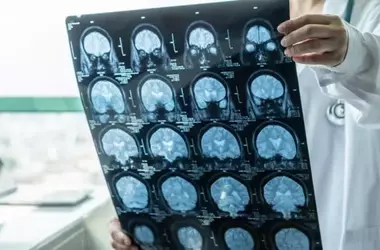
Brain Scan Study Uncovers Physical Foundations of PTSD's Intrusive Symptoms
New research published in "Biological Psychiatry: Cognitive Neuroscience and Neuroimaging" suggests that the structural integrity of specific white matter pathways in the brain influences the intensity and nature of intrusive traumatic memories in individuals with PTSD. The study, involving 114 trauma-exposed adults, found that weaker connections in certain brain regions correlated with more frequent intrusive memories and a heightened sense of reliving traumatic events, shedding light on the neurological underpinnings of these distressing symptoms.
Genetic Predisposition for ADHD Linked to Irregular Brain Rhythms Essential for Cognitive Control
A recent study published in "Translational Psychiatry" reveals a direct correlation between genetic scores for Attention-Deficit/Hyperactivity Disorder (ADHD) and inconsistent timing in midfrontal theta brain waves. These brain waves are critical for cognitive control, enabling individuals to maintain focus and achieve goals. The research highlights how genetic predispositions manifest as tangible disruptions in neural activity, providing new avenues for understanding and potentially treating ADHD.
Researchers Uncover Brain 'Entrapment' Patterns in Depression
New research published in Nature Communications reveals that major depressive disorder is characterized by the brain getting "stuck" in specific, maladaptive activity patterns. Using advanced neuroimaging and network control theory, scientists mapped how altered white matter pathways force depressed brains to expend more energy to transition between states, leading to a cycle of negative thoughts and anhedonia. This groundbreaking study shifts the understanding of depression from static brain differences to dynamic neural entrapment, paving the way for more targeted interventions.

Optimizing Your Diet for Cardiovascular Health
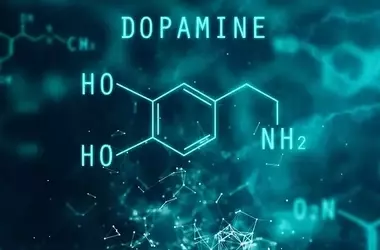
Social Support Fuels Courage: How Dopamine Rewires the Brain for Risk-Taking
New research in mice explores the neural pathways enabling companionship to enhance courage and reduce risk aversion. Scientists identified that social interaction alters dopamine neuron activity in the ventral tegmental area, shifting it from phasic (bursts) to tonic (steady) firing. This change influences distinct dopamine pathways leading to the basolateral amygdala and medial prefrontal cortex, ultimately promoting motivated exploration in dangerous situations. The study sheds light on the biological underpinnings of social support's impact on decision-making.

Brain Connectivity Illuminates Shame and Guilt in Autistic Traits
A recent study employing brain scans reveals a connection between distinct brain region communication patterns and the propensity for shame and guilt in individuals exhibiting elevated autistic characteristics. Specifically, the research points to the right frontal pole's interaction with cortical midline structures, particularly the precuneus, as a key neural mechanism influencing these emotional responses.