 Breaking News & Live Updates
- Breaking News & Live Updates
- Breaking News & Live Updates
- Breaking News & Live Updates
- Breaking News & Live Updates
- Breaking News & Live Updates
- Breaking News & Live Updates
- Breaking News & Live Updates
- Breaking News & Live Updates
- Breaking News & Live Updates
Optimizing Your Diet for Cardiovascular Health
A cornerstone of maintaining robust cardiovascular health lies in strategic dietary choices. This comprehensive guide delves into how altering fat consumption, prioritizing fiber, and avoiding detrimental food swaps can significantly enhance heart well-being.
The journey to a healthier heart begins with a discerning approach to fats. Instead of outright fat avoidance, the focus should shift to replacing saturated fats with their unsaturated counterparts. A critical step involves eliminating artificial trans fats, which not only elevate detrimental LDL cholesterol but also diminish beneficial HDL cholesterol, thereby increasing cardiovascular disease risk. Although many nations have restricted these fats, vigilance in scrutinizing food labels for "partially hydrogenated" oils remains essential. Furthermore, limiting saturated fats, commonly found in tropical oils, dairy, and red meats, to less than 10% of daily caloric intake is advised. Conversely, embracing healthy fats—monounsaturated and polyunsaturated varieties—is paramount. Foods rich in omega-3 fatty acids, such as salmon, flaxseed, and walnuts, alongside olive oil, avocados, and nuts, are highly recommended for their cholesterol-improving properties and protective effects against heart disease.

Equally vital is the caution against replacing unhealthy fats with sugars or refined carbohydrates. Swapping processed meats for lean protein sources like fish or chicken offers tangible health benefits. However, substituting animal fats with sugary pastries or cereals negates any potential cardiovascular advantages. A balanced nutritional intake encompassing proteins, carbohydrates, and fats is crucial. Opting for high-fiber, low-saturated-fat options helps sustain energy levels throughout the day. Similarly, exchanging sugary beverages and white bread for unrefined whole grains such as whole wheat bread, brown rice, and oatmeal contributes positively to heart health.
In essence, cultivating a heart-healthy diet revolves around informed choices regarding fat types, emphasizing fiber-rich foods, and strategically balancing macronutrients. These adjustments collectively contribute to reduced cholesterol, enhanced digestive function, and an overall lower risk of cardiovascular ailments.
Other Articles

Social Support Fuels Courage: How Dopamine Rewires the Brain for Risk-Taking
New research in mice explores the neural pathways enabling companionship to enhance courage and reduce risk aversion. Scientists identified that social interaction alters dopamine neuron activity in the ventral tegmental area, shifting it from phasic (bursts) to tonic (steady) firing. This change influences distinct dopamine pathways leading to the basolateral amygdala and medial prefrontal cortex, ultimately promoting motivated exploration in dangerous situations. The study sheds light on the biological underpinnings of social support's impact on decision-making.

Brain Connectivity Illuminates Shame and Guilt in Autistic Traits
A recent study employing brain scans reveals a connection between distinct brain region communication patterns and the propensity for shame and guilt in individuals exhibiting elevated autistic characteristics. Specifically, the research points to the right frontal pole's interaction with cortical midline structures, particularly the precuneus, as a key neural mechanism influencing these emotional responses.

Neural Synchrony Between Mothers and Daughters Linked to Better Mental Health
A study published in Neuroscience reveals that when young girls observe their parents discussing their relationship, their brain activity aligns with their mothers'. This shared neural response is associated with fewer emotional difficulties in children. The research highlights how family environments shape early mental health, with maternal marital satisfaction enhancing this brain synchronization and promoting positive emotional development in daughters. This suggests a passive learning mechanism where children absorb emotional cues from their parents' interactions.
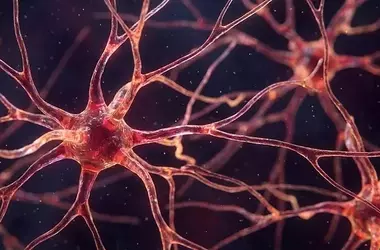
Undigested Fructose Linked to Anxiety and Brain Inflammation
Recent studies in both humans and animal models suggest a strong connection between unabsorbed dietary fructose, altered gut bacteria, and increased levels of anxiety and inflammation in the brain. This research indicates that consuming more fructose than the body can properly digest may disrupt the gut microbiome, triggering an immune response that negatively impacts mental well-being. This highlights a potential overlooked aspect of modern diets on psychological health.
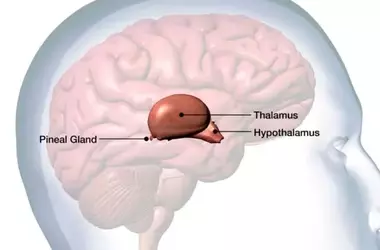
The Evolutionary Journey of Vertebrate Vision: From a Single 'Third Eye' to Complex Paired Organs
A groundbreaking study published in Current Biology proposes a revolutionary theory for the evolution of vertebrate eyes. It suggests that our complex paired eyes originated from a singular, central "third eye" in an ancient, worm-like ancestor. This research challenges conventional understanding by positing that light-sensing cells predated the eyes themselves, with remnants of this primordial visual system still influencing human brain functions like sleep regulation. The findings shed light on the unique cellular composition of vertebrate eyes, which distinctively blend two types of photoreceptors not seen elsewhere in the animal kingdom, hinting at a fascinating detour in our evolutionary visual pathway.
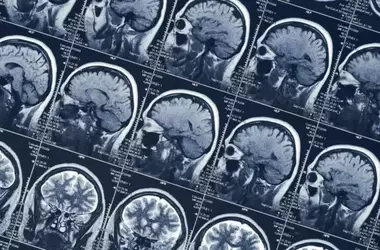
Shift Work Linked to Brain Volume Reduction and Cognitive Decline
New research analyzing UK Biobank data reveals a correlation between shift work and gradual shrinkage in the left amygdala and right thalamus brain regions. The study, published in NeuroImage, also indicates that ceasing shift work can halt this volume loss within approximately 2.4 years. Furthermore, shift workers showed lower scores in memory, fluid intelligence, and mental processing speed tests. These findings highlight potential neurological impacts of non-standard work schedules.