 Breaking News & Live Updates
- Breaking News & Live Updates
- Breaking News & Live Updates
- Breaking News & Live Updates
- Breaking News & Live Updates
- Breaking News & Live Updates
- Breaking News & Live Updates
- Breaking News & Live Updates
- Breaking News & Live Updates
- Breaking News & Live Updates
Genetic Predisposition for ADHD Linked to Irregular Brain Rhythms Essential for Cognitive Control
New research suggests a direct connection between an individual's genetic likelihood of developing Attention-Deficit/Hyperactivity Disorder (ADHD) and measurable irregularities in their brain activity. This groundbreaking discovery offers a clearer understanding of the biological underpinnings of ADHD and could pave the way for more targeted interventions. The findings indicate that genetic predispositions can profoundly influence the brain's timing mechanisms, which are crucial for focused attention and goal-directed behavior.
Scientists Uncover Genetic Roots of Disrupted Neural Timing in ADHD
In a compelling study published in the esteemed journal Translational Psychiatry, an international team of researchers, led by Ümit Aydin from the University of Reading and King's College London, and senior author Gráinne McLoughlin from King's College London, unveiled a significant correlation. They discovered that a person's genetic susceptibility to ADHD directly correlates with dysregulated midfrontal theta brain wave activity, which is vital for cognitive control. This neural signature, a key component in prioritizing information and filtering out distractions, was found to be notably inconsistent in individuals with a higher polygenic score for ADHD.
The investigation involved 454 young adults, averaging 22 years of age, who had previously contributed DNA samples to the Twins Early Development Study. This diverse group included participants with ADHD, those with autism, and individuals without either condition. To assess cognitive control, participants engaged in a challenging arrow-based computer task, known as a flanker task, while their brain activity was meticulously recorded using an electroencephalogram (EEG). The EEG measurements, captured via a cap with 64 sensors, allowed the team to pinpoint the timing consistency of theta brain waves during moments of successful distraction inhibition.
By analyzing polygenic scores—a comprehensive measure integrating millions of genetic variations—alongside these precise brain wave recordings, the scientists established a clear link. They found that a higher genetic score for ADHD strongly predicted more erratic timing in midfrontal theta brain waves. This irregular neural timing persisted largely independent of demographic factors, directly linking genetic risk to a specific neural dysfunction associated with impaired cognitive control. McLoughlin emphasized the importance of this finding, stating that it establishes an objective neural target for the development and assessment of future treatments for ADHD. Interestingly, similar genetic scores for autism did not show the same predictive power over brain wave irregularities or reaction time variability.
Despite these significant breakthroughs, the study acknowledges certain limitations. The genetic scores did not statistically predict behavioral inconsistencies in actual reaction times, a discrepancy the researchers attribute potentially to the sample size. Furthermore, the participant pool was exclusively of white ethnic origin, highlighting the need for future studies to encompass more diverse global populations to confirm the universality of these genetic associations. The researchers also noted that polygenic scores, while powerful, capture only common genetic variations and do not account for rare genetic changes or environmental factors that also contribute to ADHD development. Moving forward, the team plans to expand their research with larger cohorts to meticulously map out the intricate biological pathways that translate genetic code into the observed brain wave irregularities, aiming to personalize treatment strategies based on an individual's unique genetic and neural profile. This research marks a pivotal step in understanding the complex interplay between genetics and neural function in ADHD, offering renewed hope for more effective diagnostic tools and therapeutic approaches.
This research offers a profound insight into the neurobiological foundations of ADHD. By establishing a direct genetic link to brain wave irregularities, it moves beyond symptomatic observations to explore the underlying mechanisms. This shift could revolutionize how ADHD is diagnosed and treated, transitioning towards more personalized and biologically informed interventions. The emphasis on identifying objective neural targets provides a tangible pathway for developing therapies that directly address the core neural dysfunctions, rather than solely managing symptoms. Moreover, the study's call for diverse participant pools in future research underscores the critical importance of inclusivity in scientific discovery, ensuring that advancements benefit all global populations.
Other Articles
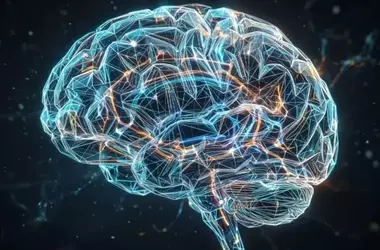
Researchers Uncover Brain 'Entrapment' Patterns in Depression
New research published in Nature Communications reveals that major depressive disorder is characterized by the brain getting "stuck" in specific, maladaptive activity patterns. Using advanced neuroimaging and network control theory, scientists mapped how altered white matter pathways force depressed brains to expend more energy to transition between states, leading to a cycle of negative thoughts and anhedonia. This groundbreaking study shifts the understanding of depression from static brain differences to dynamic neural entrapment, paving the way for more targeted interventions.

Optimizing Your Diet for Cardiovascular Health
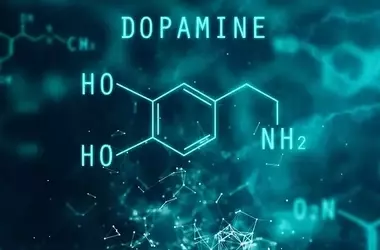
Social Support Fuels Courage: How Dopamine Rewires the Brain for Risk-Taking
New research in mice explores the neural pathways enabling companionship to enhance courage and reduce risk aversion. Scientists identified that social interaction alters dopamine neuron activity in the ventral tegmental area, shifting it from phasic (bursts) to tonic (steady) firing. This change influences distinct dopamine pathways leading to the basolateral amygdala and medial prefrontal cortex, ultimately promoting motivated exploration in dangerous situations. The study sheds light on the biological underpinnings of social support's impact on decision-making.

Brain Connectivity Illuminates Shame and Guilt in Autistic Traits
A recent study employing brain scans reveals a connection between distinct brain region communication patterns and the propensity for shame and guilt in individuals exhibiting elevated autistic characteristics. Specifically, the research points to the right frontal pole's interaction with cortical midline structures, particularly the precuneus, as a key neural mechanism influencing these emotional responses.

Neural Synchrony Between Mothers and Daughters Linked to Better Mental Health
A study published in Neuroscience reveals that when young girls observe their parents discussing their relationship, their brain activity aligns with their mothers'. This shared neural response is associated with fewer emotional difficulties in children. The research highlights how family environments shape early mental health, with maternal marital satisfaction enhancing this brain synchronization and promoting positive emotional development in daughters. This suggests a passive learning mechanism where children absorb emotional cues from their parents' interactions.
Undigested Fructose Linked to Anxiety and Brain Inflammation
Recent studies in both humans and animal models suggest a strong connection between unabsorbed dietary fructose, altered gut bacteria, and increased levels of anxiety and inflammation in the brain. This research indicates that consuming more fructose than the body can properly digest may disrupt the gut microbiome, triggering an immune response that negatively impacts mental well-being. This highlights a potential overlooked aspect of modern diets on psychological health.