 Breaking News & Live Updates
- Breaking News & Live Updates
- Breaking News & Live Updates
- Breaking News & Live Updates
- Breaking News & Live Updates
- Breaking News & Live Updates
- Breaking News & Live Updates
- Breaking News & Live Updates
- Breaking News & Live Updates
- Breaking News & Live Updates
Yawning Frequency: A Potential Indicator for Antidepressant Efficacy
New research indicates that the frequency of yawning could offer a surprising clue into the effectiveness of antidepressant treatment for individuals battling depression. Although these medications are known to induce yawning, the study, published in the Journal of Psychiatric Research, proposes that persistent or increasing yawning might suggest the treatment isn't alleviating depressive symptoms as expected. This insight could equip clinicians with a useful physical marker to distinguish between common side effects and the enduring presence of the disorder, enabling more tailored therapeutic interventions.
The Enigma of Yawning and Antidepressants
Selective serotonin reuptake inhibitors (SSRIs), widely prescribed for depression, often bring about a range of physical side effects, among which is excessive yawning. This particular type of yawn is distinct from yawns caused by fatigue or boredom, emerging as a unique physiological response to the medication itself. Despite the known association between yawning and neurotransmitter activity in the brain, particularly involving serotonin, dopamine, and acetylcholine, systematic long-term studies on this phenomenon in clinical psychiatric settings have been rare. Most current understanding has been derived from isolated case reports, leaving a gap in comprehensive data.
A team of researchers from the University of Health Sciences in Istanbul, Türkiye, led by psychiatrist Yusuf Ezel Yıldırım, initiated a prospective study to delve deeper into this observation. Their goal was to ascertain if yawning was merely a minor side effect or if it carried significant clinical implications, specifically exploring its correlation with depression severity and sleep quality. This marked a crucial step towards understanding the therapeutic relevance of a seemingly trivial bodily function in the context of antidepressant treatment, aiming to transform anecdotal observations into structured scientific evidence. By tracking patients who were new to SSRI treatment, the study aimed to isolate the effects of the medication on yawning patterns.
Yawning as a Clinical Compass for Treatment Response
The study, involving 150 adults diagnosed with major depressive disorder who had no prior SSRI use, revealed a notable increase in yawning frequency across the group after starting medication. Crucially, the research distinguished between treatment responders and non-responders, finding that while responders saw stable or slightly decreased yawning, non-responders experienced a significant escalation. This suggests that worsening yawning could serve as an early warning sign that the current antidepressant regimen is not effectively combating depression, prompting a re-evaluation of the treatment strategy. The observed changes in yawning were also found to be independent of improvements in sleep, linking this symptom more closely to the drug's effect on the autonomic nervous system.
This groundbreaking finding challenges the conventional interpretation of yawning in patients on antidepressants, which is often misattributed to sedation or general fatigue. The study argues against increasing medication dosage in patients who exhibit excessive or worsening yawning, especially if they are non-responders, as this might not address the underlying issue. Instead, persistent yawning should be recognized as a potential indicator of inadequate treatment response, guiding clinicians to consider alternative therapies or dose adjustments. While the study's one-month follow-up period and reliance on self-reported symptoms present limitations, its insights offer a practical, immediate takeaway for psychiatric practice: paying close attention to yawning patterns could lead to earlier and more effective intervention for patients struggling with depression.
Other Articles
 Jan 17, 2026
Understanding the Triggers for Depression Treatment Engagement
A new study reveals that personal perceptions of illness significantly influence whether individuals with undiagnosed depression seek treatment. Key factors include recognizing symptoms as depression, believing in treatment efficacy, and acknowledging the severe impact of symptoms on daily life. These findings, published in BMJ Mental Health, emphasize the importance of individual beliefs in overcoming barriers to mental healthcare.
 Jan 16, 2026
Understanding the Biological Bridge Between Mental Health and Cardiovascular Disease
New research suggests a significant connection between depression, anxiety, and an increased risk of heart disease. This link is not solely due to lifestyle but involves biological pathways like stress-related brain activity, inflammation, and nervous system imbalances. The study highlights that addressing mental health is crucial for heart disease prevention and integrated care.
 Jan 16, 2026
Religious Engagement and Mental Health in Older Adults: A Longitudinal Study
A recent study indicates that religious service attendance in older adults is linked to better mental health, primarily mediated by enhanced psychological well-being. This research suggests that a sense of purpose and self-acceptance fostered by religious involvement acts as a buffer against anxiety and depression over time. Published in the International Journal of Geriatric Psychiatry, these findings highlight the significant role of internal psychological resources in mitigating mental distress among the elderly.
 Jan 15, 2026
The MIND Diet: A Nutritional Approach to Protecting Brain Health and Combating Neurological Disorders
A recent study published in eClinicalMedicine suggests that the MIND diet, a hybrid of the Mediterranean and DASH diets, is highly effective in protecting the brain from a range of disorders, including dementia, stroke, depression, and anxiety. This extensive research, involving nearly 170,000 UK Biobank participants, highlights the diet's role in slowing biological aging and improving metabolic health. Conversely, the study found that ultra-processed foods are linked to increased risks of these conditions, offering crucial insights for public health and dietary recommendations.
 Jan 14, 2026
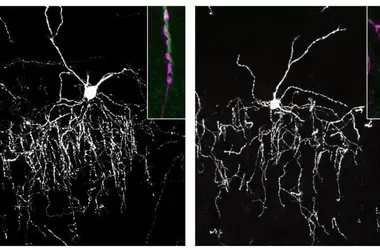
Brain's 'Orchestra Conductors' Precisely Connect to Target Cells Through Protein Interaction
New research from Ohio State University identifies two key proteins, gliomedin and CNTNAP4, that facilitate the precise connection between inhibitory chandelier cells and excitatory pyramidal neurons. This 'handshake' mechanism is crucial for maintaining electrical balance in the brain. Disruptions in this process are associated with neurological disorders like epilepsy, schizophrenia, and autism, offering potential avenues for future therapeutic development.
 Jan 13, 2026
Inflammation-Distress Link: Emotion Regulation and Sleep Quality as Modifiers
A recent Japanese study indicates that the correlation between inflammatory markers and psychological distress symptoms, such as depression, anxiety, fatigue, and physical discomfort, is more pronounced in individuals who struggle with emotion regulation or experience poor sleep. Conversely, this connection weakens or reverses in those with effective emotion management skills or high-quality sleep. The findings highlight the significant role of emotional and sleep health in moderating the impact of inflammation on mental well-being.