 Breaking News & Live Updates
- Breaking News & Live Updates
- Breaking News & Live Updates
- Breaking News & Live Updates
- Breaking News & Live Updates
- Breaking News & Live Updates
- Breaking News & Live Updates
- Breaking News & Live Updates
- Breaking News & Live Updates
- Breaking News & Live Updates
Understanding the Biological Bridge Between Mental Health and Cardiovascular Disease
A recent study sheds light on the complex relationship between psychological well-being and cardiovascular health, proposing that the elevated risk of heart disease in individuals with depression or anxiety is rooted in specific biological mechanisms rather than merely lifestyle factors. This groundbreaking analysis indicates that neural activity associated with stress, alongside inflammatory responses and autonomic nervous system dysregulation, acts as a pivotal conduit connecting mental health conditions to cardiac complications.
New Research Unveils Critical Link Between Mental Health and Heart Disease
For a considerable period, medical professionals have recognized an association between psychiatric disorders and heart conditions. However, the exact physiological processes through which emotional distress translates into physical cardiovascular damage remained largely unexplained. Researchers, spearheaded by Shady Abohashem, a cardiovascular investigator at Massachusetts General Hospital and instructor at Harvard Medical School, embarked on this study to explore whether depression and anxiety contribute to heart risks through direct physiological alterations.
The study, published in Circulation: Cardiovascular Imaging, leveraged data from the Mass General Brigham Biobank, encompassing 85,551 individuals tracked from 2010 to 2020. Participants were classified into groups based on diagnoses of depression alone, anxiety alone, both conditions concurrently, or neither. Researchers diligently monitored these individuals for Major Adverse Cardiovascular Events (MACE), including heart attacks, strokes, heart failure, and the necessity for arterial interventions, over an average follow-up period of three and a half years.
A subset of 1,123 participants underwent 18F-fluorodeoxyglucose positron emission tomography (PET/CT) imaging to measure brain activity, focusing on the amygdala—a brain region critical for processing stress and fear. The ratio of amygdala to prefrontal cortex activity was used as an indicator of stress-related neural activity. Additionally, heart rate variability was assessed in 7,862 individuals through electrocardiograms to gauge autonomic nervous system regulation, while C-reactive protein levels, a marker of systemic inflammation, were measured in 12,906 participants.
The findings revealed that individuals with depression faced a 24% higher risk of cardiovascular events, even after accounting for traditional risk factors and lifestyle choices. This risk escalated to 35% for those diagnosed with both anxiety and depression. The biological investigations uncovered that affected individuals exhibited heightened amygdala activity, reduced heart rate variability, and elevated C-reactive protein levels. Statistical mediation analysis confirmed that these biological markers directly contribute to adverse heart outcomes, suggesting a causal pathway from mental distress to cardiovascular damage.
Abohashem emphasized that the study's strength lies in its consistent biological signals, spanning from brain activity to autonomic and immune responses, collectively explaining cardiovascular risk. The amplified risk observed in co-occurring depression and anxiety highlights the cumulative impact of psychological stress on biological health. This research provides compelling evidence that mental health is intrinsically linked to heart health through biological mechanisms, not merely emotional or behavioral ones.
While observational, this study marks a significant step towards understanding the intricate connection between the mind and body. It underscores the importance of integrating mental health considerations into cardiovascular disease prevention strategies. Future research will explore whether targeted interventions for stress reduction, anti-inflammatory treatments, or behavioral therapies can disrupt these pathways and ultimately improve cardiac outcomes, paving the way for a more holistic approach to health care.
This research powerfully reminds us that our mental and physical health are inextricably linked. The findings urge a paradigm shift in healthcare, moving away from fragmented treatment of body and mind towards an integrated, holistic approach. Recognizing the profound biological pathways connecting stress, anxiety, and depression to cardiovascular disease compels us to prioritize mental wellness as a cornerstone of overall health. As individuals, fostering emotional resilience and seeking support for mental health challenges becomes not just about personal well-being, but also a vital component of preventing serious physical ailments. For healthcare systems, this study illuminates the urgent need for collaborative care models where mental health professionals and cardiologists work hand-in-hand, integrating psychological interventions into cardiovascular disease prevention and management. Investing in mental health support and stress-reduction programs could be a powerful, yet often overlooked, strategy in the fight against heart disease, ultimately fostering a healthier, more integrated future for all.
Other Articles
 Jan 16, 2026
Religious Engagement and Mental Health in Older Adults: A Longitudinal Study
A recent study indicates that religious service attendance in older adults is linked to better mental health, primarily mediated by enhanced psychological well-being. This research suggests that a sense of purpose and self-acceptance fostered by religious involvement acts as a buffer against anxiety and depression over time. Published in the International Journal of Geriatric Psychiatry, these findings highlight the significant role of internal psychological resources in mitigating mental distress among the elderly.
 Jan 15, 2026
The MIND Diet: A Nutritional Approach to Protecting Brain Health and Combating Neurological Disorders
A recent study published in eClinicalMedicine suggests that the MIND diet, a hybrid of the Mediterranean and DASH diets, is highly effective in protecting the brain from a range of disorders, including dementia, stroke, depression, and anxiety. This extensive research, involving nearly 170,000 UK Biobank participants, highlights the diet's role in slowing biological aging and improving metabolic health. Conversely, the study found that ultra-processed foods are linked to increased risks of these conditions, offering crucial insights for public health and dietary recommendations.
 Jan 14, 2026
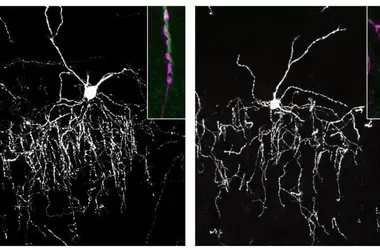
Brain's 'Orchestra Conductors' Precisely Connect to Target Cells Through Protein Interaction
New research from Ohio State University identifies two key proteins, gliomedin and CNTNAP4, that facilitate the precise connection between inhibitory chandelier cells and excitatory pyramidal neurons. This 'handshake' mechanism is crucial for maintaining electrical balance in the brain. Disruptions in this process are associated with neurological disorders like epilepsy, schizophrenia, and autism, offering potential avenues for future therapeutic development.
 Jan 13, 2026
Inflammation-Distress Link: Emotion Regulation and Sleep Quality as Modifiers
A recent Japanese study indicates that the correlation between inflammatory markers and psychological distress symptoms, such as depression, anxiety, fatigue, and physical discomfort, is more pronounced in individuals who struggle with emotion regulation or experience poor sleep. Conversely, this connection weakens or reverses in those with effective emotion management skills or high-quality sleep. The findings highlight the significant role of emotional and sleep health in moderating the impact of inflammation on mental well-being.
 Jan 13, 2026
Social Media, Not Gaming, Linked to Rising Attention Problems in Teens
A new study explored the connection between digital device usage and ADHD symptoms in over 8,000 children aged 10-14. Researchers found a significant link between social media use and increased inattentiveness, even after accounting for genetic risks and socioeconomic factors. Gaming and video watching showed no such correlation. This suggests that the constant distractions of social media may contribute to attention deficits in young people.
 Jan 13, 2026
Young Man's Dementia Battle Illuminates Brain Research
A 24-year-old British man, Andre Yarham, believed to be the UK's youngest dementia sufferer, has died from the disease. Diagnosed at 22 with frontotemporal dementia, his brain scans astonishingly resembled that of a 70-year-old. His family's decision to donate his brain for research offers a beacon of hope, providing scientists with rare insights into aggressive early-onset dementia and potentially accelerating the search for treatments.