 Breaking News & Live Updates
- Breaking News & Live Updates
- Breaking News & Live Updates
- Breaking News & Live Updates
- Breaking News & Live Updates
- Breaking News & Live Updates
- Breaking News & Live Updates
- Breaking News & Live Updates
- Breaking News & Live Updates
- Breaking News & Live Updates
Religious Engagement and Mental Health in Older Adults: A Longitudinal Study
A recent comprehensive study has shed light on the positive association between consistent religious attendance and improved mental health outcomes among older adults. This research suggests that the benefits extend beyond mere social support, with psychological well-being acting as a critical intermediary. Specifically, engaging in religious activities appears to cultivate a deeper sense of purpose and self-acceptance, thereby fortifying individuals against the onset of anxiety and depressive symptoms as they age. These compelling insights were recently published in the International Journal of Geriatric Psychiatry.
As the global demographic trend leans towards an aging population, the prevalence of mental health challenges within the elderly demographic has emerged as a significant public health concern. International health organizations have noted that a considerable proportion of individuals over sixty years old grapple with various mental disorders, with depression and anxiety being particularly common. These conditions not only diminish the quality of life for affected individuals but also impose substantial burdens on family caregivers and healthcare infrastructures.
In response to this growing challenge, geriatric researchers have intensified their efforts to pinpoint protective factors that could counteract the decline in mental health among seniors. Prior research has frequently identified a correlation between participation in religious services and a reduced incidence of depression. However, the precise mechanisms underpinning this beneficial relationship have remained an area requiring further investigation.
Historically, much of the research attributed these positive effects to social factors, proposing that religious communities offer a vital network of social support and foster a sense of belonging, which helps combat loneliness. While the importance of social connections is undeniable, they have not fully accounted for the entire spectrum of mental health improvements observed in those who regularly attend religious services.
To delve deeper into this phenomenon, Zhiya Hua, a researcher at the School of Government at the Shanghai University of Political Science and Law in China, initiated a study that explored beyond conventional social explanations. Hua's investigation pivoted towards "psychological well-being" as a potential internal mechanism. This concept transcends the mere absence of illness, encompassing positive mental states such as having a meaningful life direction and experiencing continuous personal development.
The study leveraged psychologist Carol Ryff's framework of psychological well-being, which includes dimensions like self-acceptance, autonomy, and environmental mastery. Hua theorized that religious participation could bolster these specific internal resources. A strengthened internal resilience, in turn, might consequently diminish the intensity of anxiety and depression.
To rigorously test this hypothesis, the researcher analyzed data from the National Health and Aging Trends Study (NHATS), a long-running survey that monitors a representative cohort of Medicare beneficiaries across the United States. The analysis focused on 2,767 older adults, who were interviewed annually over a seven-year period from 2015 to 2021. The participants, averaging about 75 years of age at the study's commencement, were predominantly female and White, reflecting the demographic characteristics of the surviving elderly population within this age bracket. Only individuals who completed all seven rounds of interviews were included to ensure data consistency and accuracy.
Each year, three key variables were assessed. Firstly, participants were asked a straightforward yes-or-no question about their attendance at religious services in the preceding month. Secondly, they completed a survey designed to quantify their psychological well-being, which included prompts about their life purpose, confidence levels, and satisfaction with their living circumstances. Lastly, mental health concerns were evaluated using the Patient Health Questionnaire for Depression and Anxiety (PHQ-4), a standardized screening tool that gauges the frequency of feelings such as sadness, hopelessness, or uncontrollable worry, with higher scores indicating more pronounced mental distress.
Utilizing a sophisticated statistical method known as longitudinal mediation analysis within a Bayesian framework, Hua was able to examine changes over time, rather than just isolated instances. This advanced approach allowed for the determination of whether shifts in one variable, such as religious attendance, preceded corresponding changes in another, like psychological well-being. The analysis meticulously controlled for a range of sociodemographic and health factors, including age, gender, ethnicity, educational attainment, marital status, and physical health conditions like chronic diseases and self-rated health, as well as cognitive function. These controls ensured that the observed results were not simply attributable to healthier individuals being more capable of attending services.
The findings revealed a consistent trend over the seven-year observation period: regular attendance at religious services significantly predicted improved psychological well-being in subsequent years. Older adults who participated in services reported a greater sense of purpose and self-acceptance compared to their non-attending counterparts. Moreover, elevated levels of psychological well-being were strongly correlated with a reduction in mental health issues. As participants' sense of purpose and mastery grew, their reported symptoms of depression and anxiety diminished, aligning with broader psychological theories that suggest a life imbued with meaning acts as a buffer against emotional distress.
The study's central discovery was the identification of a mediation effect, where psychological well-being served as a partial link in the relationship between religious attendance and mental health. Specifically, the enhancement in psychological well-being accounted for 26.7% of the total positive impact of religious attendance on mental health. This suggests that a significant portion of the mental health advantages derived from religious engagement stems from its ability to cultivate an individual's internal outlook and sense of self. The remaining beneficial effects are likely attributable to other factors not explicitly measured in this model, such as the previously mentioned social support or spiritual comfort.
The research also noted the significant disruption caused by the COVID-19 pandemic. Data indicated a sharp decline in religious attendance in 2020, likely due to safety restrictions and facility closures, with attendance plummeting from approximately 61.5% in 2019 to 37.5% in 2020. Concurrently, scores for mental health issues rose across the study sample during this period. Nevertheless, the statistical link between attendance, well-being, and mental health remained robust when analyzing the complete seven-year trajectory, suggesting the persistence of this connection despite the pandemic-induced fluctuations.
However, several limitations warrant consideration. A notable concern is the high rate of participant attrition over the seven years, primarily due to mortality or severe illness. The remaining participants were generally healthier, younger, and possessed higher cognitive function, potentially introducing selection bias. This may lead to an underestimation of the challenges faced by older adults with significant health limitations who are unable to attend services, thus making the findings more directly applicable to the healthier segment of the elderly population capable of participating in community activities and annual interviews.
Furthermore, the measurement of religious attendance was relatively simplistic, based solely on a monthly attendance query, without detailing frequency, private religious practices, or the depth of personal belief. A more nuanced approach to measuring religious engagement could potentially unveil different patterns. The psychological well-being scale used was also an abridged version, which, while valid for broad surveys, might not fully capture the intricacies of Ryff's original framework. Future research employing more comprehensive psychological assessments could offer a more precise understanding of which specific aspects of well-being are most influenced.
The demographic composition of the sample, predominantly White and female, also restricts the generalizability of the findings. The cultural context profoundly shapes religious practices and experiences, indicating a need for future studies to include more diverse populations. Lastly, while the longitudinal design hints at the direction of influence, it cannot definitively establish causality. It is plausible that reverse causality plays a role, where individuals with pre-existing better mental health and a stronger sense of purpose are more inclined to engage in religious services.
Despite these caveats, the study provides compelling evidence that religious participation can be a valuable resource for fostering healthy aging. It underscores that the advantages of such engagement extend beyond mere social interaction. The rituals, teachings, and communal aspects of religious life appear to reinforce an internal sense of worth and purpose. For healthcare professionals and caregivers, these findings suggest that encouraging religious involvement could be a legitimate component of mental health support for older adults. Facilitating access to religious services by addressing barriers such as transportation could have positive cascading effects on their psychological state. As Zhiya Hua concluded in the research paper, supporting older adults who desire to attend religious services may be linked to better psychological well-being and mental health.
Other Articles
 Jan 15, 2026
The MIND Diet: A Nutritional Approach to Protecting Brain Health and Combating Neurological Disorders
A recent study published in eClinicalMedicine suggests that the MIND diet, a hybrid of the Mediterranean and DASH diets, is highly effective in protecting the brain from a range of disorders, including dementia, stroke, depression, and anxiety. This extensive research, involving nearly 170,000 UK Biobank participants, highlights the diet's role in slowing biological aging and improving metabolic health. Conversely, the study found that ultra-processed foods are linked to increased risks of these conditions, offering crucial insights for public health and dietary recommendations.
 Jan 14, 2026
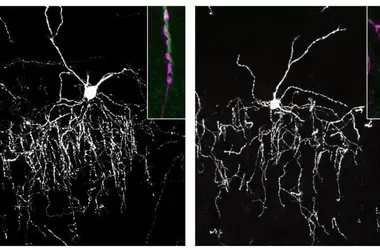
Brain's 'Orchestra Conductors' Precisely Connect to Target Cells Through Protein Interaction
New research from Ohio State University identifies two key proteins, gliomedin and CNTNAP4, that facilitate the precise connection between inhibitory chandelier cells and excitatory pyramidal neurons. This 'handshake' mechanism is crucial for maintaining electrical balance in the brain. Disruptions in this process are associated with neurological disorders like epilepsy, schizophrenia, and autism, offering potential avenues for future therapeutic development.
 Jan 13, 2026
Inflammation-Distress Link: Emotion Regulation and Sleep Quality as Modifiers
A recent Japanese study indicates that the correlation between inflammatory markers and psychological distress symptoms, such as depression, anxiety, fatigue, and physical discomfort, is more pronounced in individuals who struggle with emotion regulation or experience poor sleep. Conversely, this connection weakens or reverses in those with effective emotion management skills or high-quality sleep. The findings highlight the significant role of emotional and sleep health in moderating the impact of inflammation on mental well-being.
 Jan 13, 2026
Social Media, Not Gaming, Linked to Rising Attention Problems in Teens
A new study explored the connection between digital device usage and ADHD symptoms in over 8,000 children aged 10-14. Researchers found a significant link between social media use and increased inattentiveness, even after accounting for genetic risks and socioeconomic factors. Gaming and video watching showed no such correlation. This suggests that the constant distractions of social media may contribute to attention deficits in young people.
 Jan 13, 2026
Young Man's Dementia Battle Illuminates Brain Research
A 24-year-old British man, Andre Yarham, believed to be the UK's youngest dementia sufferer, has died from the disease. Diagnosed at 22 with frontotemporal dementia, his brain scans astonishingly resembled that of a 70-year-old. His family's decision to donate his brain for research offers a beacon of hope, providing scientists with rare insights into aggressive early-onset dementia and potentially accelerating the search for treatments.
 Jan 12, 2026
MIND Diet Adherence Linked to Healthier Alzheimer's Biomarkers in Middle Age
New research suggests that middle-aged adults who adhere to the MIND diet may have healthier Alzheimer's disease biomarkers. This diet, combining elements of Mediterranean and DASH diets, appears to reduce the pathological protein buildup associated with Alzheimer's. The findings imply a significant role of dietary habits in brain health long before cognitive decline symptoms manifest.