 Breaking News & Live Updates
- Breaking News & Live Updates
- Breaking News & Live Updates
- Breaking News & Live Updates
- Breaking News & Live Updates
- Breaking News & Live Updates
- Breaking News & Live Updates
- Breaking News & Live Updates
- Breaking News & Live Updates
- Breaking News & Live Updates
Understanding the Triggers for Depression Treatment Engagement
New research indicates that an individual's personal understanding of their condition plays a crucial role in their decision to pursue therapy or medication for depression. The study highlights that those who identify their symptoms as depression, perceive the condition's severe consequences, and have confidence in treatment effectiveness are far more likely to engage with mental health services. This revelation, featured in BMJ Mental Health, sheds light on the internal motivators that drive treatment uptake.
Depression remains a pervasive global health challenge, with a significant portion of affected individuals never accessing necessary care. While systemic obstacles such as lengthy waiting lists and limited access to providers are widely acknowledged, the influence of individual cognitive frameworks has historically received less attention. The way people conceptualize their illness, its potential ramifications, and the viability of recovery are known determinants of health-seeking behaviors in physical ailments, yet their impact on untreated depression populations has been less explored.
A research team led by Matthias Klee from Heidelberg University Hospital in Germany embarked on a study to ascertain whether these personal illness beliefs could predict treatment initiation following an online screening for depression. The study focused on individuals exhibiting at least moderate depressive symptoms who had not received a diagnosis or treatment in the preceding year. These participants were enrolled in a nationwide German initiative that offered automated feedback after web-based depression assessments.
The researchers collected data from 871 adults, with an average age of 37.5 years, predominantly female (73%). Six months after the initial screening, participants completed a brief questionnaire evaluating their beliefs regarding the interference of symptoms with their lives, the potential efficacy of treatment, their identification of symptoms as depression, and whether it was their first encounter with such problems. The team subsequently tracked whether participants had commenced psychotherapy or antidepressant medication within this six-month period.
The findings revealed that 233 (26.8%) of the participants had initiated treatment. Three specific beliefs emerged as significant predictors of this uptake. Firstly, individuals who perceived their symptoms as having a substantial disruptive effect on their daily existence were more prone to seeking professional help. Secondly, those who held a strong belief in the potential benefits of treatment were more likely to start therapy or medication. Most notably, the self-identification of symptoms as depression was a powerful indicator of treatment engagement, with each incremental step in believing treatment would help substantially increasing the likelihood of seeking care. Recognizing one's symptoms as depression was associated with an approximate 57% relative increase in the predicted probability of starting treatment.
These correlations remained consistent even after accounting for various confounding variables, including symptom severity, formal diagnostic criteria for major depression, and pre-existing preferences for general practitioners or psychotherapists. The study authors concluded that their findings underscore the critical role of illness beliefs, particularly concerning consequences, perceived treatment control, and illness identity, in driving the uptake of depression treatment within a real-world context.
It is important to note certain limitations of the study, such as the six-month follow-up period, which might not fully capture all instances of treatment initiation due to potential delays in accessing care. This research provides valuable insights into the patient journey towards mental health recovery, emphasizing the profound influence of individual perceptions on clinical outcomes.
Other Articles
 Jan 16, 2026
Understanding the Biological Bridge Between Mental Health and Cardiovascular Disease
New research suggests a significant connection between depression, anxiety, and an increased risk of heart disease. This link is not solely due to lifestyle but involves biological pathways like stress-related brain activity, inflammation, and nervous system imbalances. The study highlights that addressing mental health is crucial for heart disease prevention and integrated care.
 Jan 16, 2026
Religious Engagement and Mental Health in Older Adults: A Longitudinal Study
A recent study indicates that religious service attendance in older adults is linked to better mental health, primarily mediated by enhanced psychological well-being. This research suggests that a sense of purpose and self-acceptance fostered by religious involvement acts as a buffer against anxiety and depression over time. Published in the International Journal of Geriatric Psychiatry, these findings highlight the significant role of internal psychological resources in mitigating mental distress among the elderly.
 Jan 15, 2026
The MIND Diet: A Nutritional Approach to Protecting Brain Health and Combating Neurological Disorders
A recent study published in eClinicalMedicine suggests that the MIND diet, a hybrid of the Mediterranean and DASH diets, is highly effective in protecting the brain from a range of disorders, including dementia, stroke, depression, and anxiety. This extensive research, involving nearly 170,000 UK Biobank participants, highlights the diet's role in slowing biological aging and improving metabolic health. Conversely, the study found that ultra-processed foods are linked to increased risks of these conditions, offering crucial insights for public health and dietary recommendations.
 Jan 14, 2026
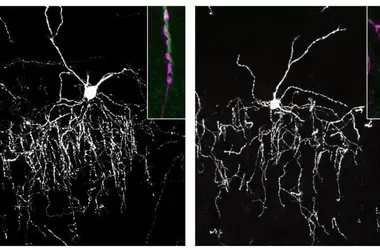
Brain's 'Orchestra Conductors' Precisely Connect to Target Cells Through Protein Interaction
New research from Ohio State University identifies two key proteins, gliomedin and CNTNAP4, that facilitate the precise connection between inhibitory chandelier cells and excitatory pyramidal neurons. This 'handshake' mechanism is crucial for maintaining electrical balance in the brain. Disruptions in this process are associated with neurological disorders like epilepsy, schizophrenia, and autism, offering potential avenues for future therapeutic development.
 Jan 13, 2026
Inflammation-Distress Link: Emotion Regulation and Sleep Quality as Modifiers
A recent Japanese study indicates that the correlation between inflammatory markers and psychological distress symptoms, such as depression, anxiety, fatigue, and physical discomfort, is more pronounced in individuals who struggle with emotion regulation or experience poor sleep. Conversely, this connection weakens or reverses in those with effective emotion management skills or high-quality sleep. The findings highlight the significant role of emotional and sleep health in moderating the impact of inflammation on mental well-being.
 Jan 13, 2026
Social Media, Not Gaming, Linked to Rising Attention Problems in Teens
A new study explored the connection between digital device usage and ADHD symptoms in over 8,000 children aged 10-14. Researchers found a significant link between social media use and increased inattentiveness, even after accounting for genetic risks and socioeconomic factors. Gaming and video watching showed no such correlation. This suggests that the constant distractions of social media may contribute to attention deficits in young people.