 Breaking News & Live Updates
- Breaking News & Live Updates
- Breaking News & Live Updates
- Breaking News & Live Updates
- Breaking News & Live Updates
- Breaking News & Live Updates
- Breaking News & Live Updates
- Breaking News & Live Updates
- Breaking News & Live Updates
- Breaking News & Live Updates
Effective Management Strategies for Premenstrual Dysphoric Disorder
Managing the challenging emotional and physical symptoms of Premenstrual Dysphoric Disorder (PMDD) often involves specific pharmacological interventions.
Selective serotonin reuptake inhibitors (SSRIs) are frequently prescribed as a primary line of defense. These medications are particularly effective in alleviating the severe irritability and mood fluctuations associated with PMDD. Depending on individual needs, dosing regimens can vary, with some women finding relief through intermittent use during specific phases of their menstrual cycle, while others may require continuous therapy to address more persistent issues like depression and chronic physical discomfort.

While SSRIs are a cornerstone of treatment, other options exist for managing PMDD symptoms.
Although research into the efficacy of hormonal treatments, such as oral contraceptives, for PMDD is still developing and their widespread use remains limited, they represent a potential avenue for future therapeutic advancements. Additionally, for immediate relief of physical discomforts like cramping, back pain, and headaches, readily available over-the-counter pain relievers, such as ibuprofen, can provide significant symptomatic relief.
Effectively addressing PMDD requires a multi-faceted approach, emphasizing personalized care that integrates established medical treatments with ongoing research to improve quality of life for those affected. Continued exploration into diverse treatment modalities will further empower individuals to find optimal solutions for their unique experiences with this condition.
Other Articles

Understanding Premenstrual Dysphoric Disorder: A Comprehensive Approach to Management
Premenstrual Dysphoric Disorder (PMDD) often necessitates a dual approach to care, involving both mental health professionals and gynecologists to address its multifaceted symptoms. Treatment strategies are primarily focused on alleviating symptoms and enhancing daily functionality, incorporating a diverse range of interventions such as psychotherapy, pharmacotherapy, physical activity, stress reduction techniques, and nutritional supplements.

Navigating Anxiety Treatment: Weighing Medication Options
For individuals experiencing debilitating anxiety, pharmacological interventions can offer symptom relief. However, it's crucial to acknowledge the potential for dependency and adverse effects associated with these medications. Often, alternative strategies such as therapy, physical activity, and self-management techniques can be equally, if not more, effective without the accompanying risks. Therefore, a thorough evaluation of both the advantages and disadvantages of medication is essential for making well-informed decisions regarding anxiety management.

Effective Treatment Strategies for Anxiety Disorders
Anxiety disorders, which encompass conditions like panic attacks, generalized anxiety, and phobias, are highly responsive to both in-person and online therapeutic interventions. Treatment typically involves a combination of therapy and medication, tailored to the specific disorder and its intensity. Behavioral therapies, particularly Cognitive-Behavioral Therapy (CBT) and Exposure Therapy, are prominent and focus on modifying dysfunctional thought patterns and behaviors to alleviate anxiety.
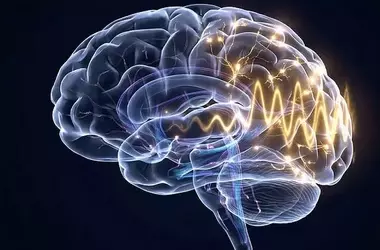
Non-Invasive Brain Stimulation Boosts Creative Thinking and Idea Generation
A recent study conducted in China has unveiled compelling evidence that non-invasive brain stimulation, specifically alpha frequency transcranial alternating current stimulation (alpha tACS) targeting the parieto-occipital region, significantly enhances various aspects of creative thinking. Participants exhibited marked improvements in novelty, flexibility, fluency, originality, and elaboration compared to a control group receiving sham stimulation. This research, published in BMC Psychology, highlights alpha tACS's potential as a neuromodulatory technique for fostering creative cognitive processes.

Neurodiverse Youth: Brain Activity Shifts Inward to Manage Sensory Overload
A recent study in the Journal of Neurodevelopmental Disorders reveals a unique brain activity pattern in neurodiverse children with sensory over-responsivity. These children appear to regulate overwhelming stimuli by reducing external sensory network connectivity and increasing internal cognitive control network activity. This adaptive mechanism helps them cope with intense sights and sounds, offering new insights into the biological underpinnings of sensory processing challenges and potentially paving the way for objective diagnostic tools.

Understanding and Managing ADHD: A Comprehensive Approach
Dr. Stephen Hinshaw, an expert in ADHD, clarifies that it's primarily a regulatory disorder, not just an attention deficit. He emphasizes a collaborative approach involving children, schools, and parents. The article delves into the manifestations of ADHD, differentiating it from typical childhood behaviors, and highlights its potential long-term impacts. It also explores various treatment strategies, including behavioral interventions, parent management training, and medication, stressing the importance of a holistic and individualized approach to support affected individuals.