 Breaking News & Live Updates
- Breaking News & Live Updates
- Breaking News & Live Updates
- Breaking News & Live Updates
- Breaking News & Live Updates
- Breaking News & Live Updates
- Breaking News & Live Updates
- Breaking News & Live Updates
- Breaking News & Live Updates
- Breaking News & Live Updates
The Perilous Unregulated Market of Mushroom Edibles
The burgeoning market for mushroom-infused edibles, frequently promoted for cognitive enhancement, presents a hidden and possibly hazardous issue. Consumers are increasingly encountering products with inadequate ingredient disclosures, leading to inadvertent exposure to harmful substances derived from a variety of fungal species. This situation underscores a critical need for greater oversight and consumer awareness within this rapidly expanding sector.
Imagine consuming a gummy product marketed as a nootropic, designed to boost mental acuity, only to experience alarming symptoms such as rapid heartbeat, nausea, vomiting, and even seizures, culminating in an emergency hospital visit. This scenario, surprisingly common, highlights the severe risks associated with a largely unregulated market for over-the-counter mushroom edibles, widely available in physical stores and online.
The recent surge in interest in mushroom microdosing, fueled by shifting local regulations and promising research on mood and mental health benefits, has inadvertently created a demand that extends beyond traditional psilocybin. While psychedelic mushrooms like Psilocybe are federally classified as Schedule 1 substances, their decriminalization in some areas has led to a proliferation of edible products containing a wider array of non-hallucinogenic and even hallucinogenic species, often marketed for their purported mental enhancement properties.
As a natural product scientist, my laboratory at Pennsylvania State University investigates the chemical composition of natural resources, including mushrooms, to understand their impact on human health. While certain nootropic compounds indeed hold therapeutic potential, the alarming lack of transparency in many commercial mushroom products poses significant health hazards. Unlike Psilocybe mushrooms, which contain generally non-toxic psilocybin and psilocin, a different genus, Amanita, commonly used in some edibles, harbors more potent and potentially toxic compounds like muscarine and ibotenic acid. Although both can induce psychedelic effects, Amanita species are recognized for their higher toxicity levels.
The problem is compounded by a lack of stringent labeling requirements for these dietary supplements. Manufacturers often use proprietary blends, obscuring the precise species and quantities of mushrooms present. This lack of clear information makes it nearly impossible for consumers to make informed choices, as illustrated by a case study in Virginia where five individuals were hospitalized after consuming gummies labeled with Amanita compounds, which were later found to contain unlisted ingredients like psilocybin, caffeine, ephedrine, and mitragynin. The actual contents of these products were a dangerous cocktail of substances not disclosed on the packaging.
The rapid expansion of the nootropic mushroom market has resulted in a diverse array of products with highly variable and often undisclosed compositions. This issue is not new; even experienced foragers face challenges in accurately identifying mushroom species due to their visual similarities despite vastly different chemical profiles and toxicity levels. The lack of regulatory oversight for species identification in over-the-counter mushroom products and dietary supplements means consumers are left to trust producers, who may not accurately list all ingredients.
Consequently, there has been a noticeable increase in reported poisoning cases linked to these products. Data from 2016 showed a relatively small number of Amanita-related poisonings compared to other mushroom incidents. However, with the decriminalization of psilocybin in certain states, poison control centers have seen a surge in calls regarding adverse effects like nausea, vomiting, seizures, and cardiovascular issues from edible mushroom products. This trend prompted a multi-state investigation in 2023, identifying over 180 cases linked to a single brand, Diamond Shruumz, leading to a product recall. Despite warnings from the FDA in late 2024 about the dangers of Amanita mushrooms and their unapproved status as food additives, such products continue to be available, underscoring the urgent need for comprehensive regulation.
The rise of mushroom-based edibles, driven by the increasing popularity of microdosing and limited regulatory frameworks, highlights a significant public health risk. The lack of transparent labeling and the inclusion of potentially toxic mushroom species, often alongside undeclared active ingredients, expose consumers to unforeseen dangers. Urgent regulatory measures are necessary to safeguard public health and ensure consumers can make informed decisions about the products they ingest.
Other Articles
 Dec 03, 2025
Dietary Patterns and Cognitive Health: A Scientific Review
A recent study published in "Scientific Reports" suggests that diets rich in vegetables, berries, fish, and whole grains may help decelerate memory loss and safeguard brain health. The research highlights the cognitive benefits of both the Mediterranean and MIND diets, with the latter potentially offering a slight advantage due to its targeted neuroprotective ingredients.
 Dec 03, 2025
Understanding Neurodiversity: Perceptions of Terminology Among Neurodivergent Adults
A recent study explored neurodivergent individuals' perceptions of the terms "neurodiversity" and "neurodivergent." Findings indicate widespread familiarity and personal use of "neurodivergent" to self-describe, highlighting its role as a unifying label. However, the research also uncovered significant frustration with the common misuse of "neurodiverse" to describe individuals rather than groups, underscoring a critical need for accurate terminology to avoid misrepresentation and stigma. The study emphasizes the importance of precise language in fostering inclusion and respect within the neurodivergent community.
 Dec 03, 2025
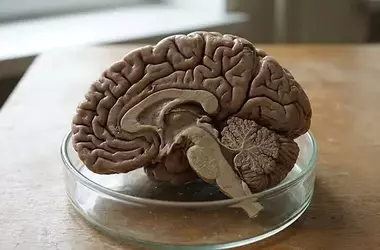
Brain Folding Patterns and ADHD Treatment Outcomes
A recent study published in Translational Psychiatry suggests that the degree of cortical gyrification, or brain folding patterns, in specific frontal regions of the brain may predict the effectiveness of ADHD treatments in adults. While neither group psychotherapy nor methylphenidate showed overall superiority to control conditions, individuals with higher gyrification in certain frontal areas tended to experience greater symptom reduction. This research highlights the potential of brain structure to inform personalized treatment approaches for ADHD.
 Dec 03, 2025
Understanding and Addressing Men's Mental Health Challenges
This article explores the common mental health challenges faced by men, including loneliness, stress, depression, and anxiety. It discusses the societal and cultural factors that often prevent men from seeking help and outlines the signs and symptoms of these conditions. The piece emphasizes that these issues are treatable and provides practical strategies and resources for men to improve their mental well-being, highlighting that seeking support is a sign of strength.
 Dec 01, 2025
Leveraging Life Coaching Templates for Effective Client Progression
Life coaching templates are invaluable tools that provide structure, clarity, and consistency to coaching sessions. They aid coaches in guiding clients through personal and professional development by offering structured approaches, relevant exercises, and ethical guidelines. These templates streamline administrative tasks, track client progress, and ensure a results-driven approach, ultimately enhancing the coaching practice's professionalism and effectiveness.
 Dec 01, 2025
Overcoming Overthinking: Five Effective Strategies for Mental Clarity
This article outlines five practical strategies for individuals who frequently overthink to navigate their thoughts more effectively. It emphasizes the importance of awareness, grounding techniques, cultivating curiosity over judgment, aligning actions with personal values, and effectively closing thought cycles. The goal is to shift from repetitive rumination to a more peaceful and purposeful state of mind through consistent practice and intentional small changes.