 Breaking News & Live Updates
- Breaking News & Live Updates
- Breaking News & Live Updates
- Breaking News & Live Updates
- Breaking News & Live Updates
- Breaking News & Live Updates
- Breaking News & Live Updates
- Breaking News & Live Updates
- Breaking News & Live Updates
- Breaking News & Live Updates
Understanding Neurodiversity: Perceptions of Terminology Among Neurodivergent Adults
Navigating the Language of the Mind: Precision in Neurodiversity
The Evolving Lexicon of Neurological Variation
The concept of “neurodiversity” remains a relatively contemporary notion, with ongoing discussions among experts regarding its precise scope. Is its application limited to neurodevelopmental conditions such as autism, ADHD, and dyslexia, or should it encompass a broader spectrum, including various mental health conditions? This evolving understanding highlights a need for clarity in how these terms are defined and utilized.
Insights from the Neurodivergent Community
Historically, direct input from neurodivergent individuals themselves on this linguistic debate has been sparse. A recent investigation sought to address this gap, surveying over 900 neurodivergent adults across the UK. The findings reveal a complex landscape of opinions, with both positive and negative sentiments expressed towards terms like “neurodiversity” and “neurodivergent.” This research sheds light on the lived experiences and preferences of those directly affected by this terminology.
Defining Neurodiversity and Neurodivergence
Neurodiversity fundamentally refers to the myriad ways human brains function and process information. Just as each person possesses a unique ethnic background, so too do they possess a distinct neurotype. Approximately 15% of the global population is considered neurodivergent, meaning their brain patterns differ from societal norms, often referred to as “typical.” The remaining 85% are categorized as neurotypical. The study found that nearly all participants were familiar with “neurodiversity,” and a substantial majority (74%) used “neurodivergent” to describe themselves.
The Pervasive Misuse of Terminology
A notable discovery from the research was the frequent misapplication of neurodiversity-related language. Specifically, the term “neurodiverse” is often incorrectly used to describe individuals or groups of neurodivergent people. Accurately, “neurodiverse” refers to a collective, a group that includes both neurotypical and neurodivergent individuals, representing a spectrum of brain types. The correct term for an individual or a group composed solely of those with differing brain functions is “neurodivergent.”
Impact of Incorrect Language Use
For many participants, the misuse of these terms was more than a mere grammatical error; it was a source of profound irritation. Some viewed it as a significant warning sign, particularly when originating from experts or organizations claiming to promote inclusion. Such inaccuracies were perceived as indicating a superficial adoption of inclusive language without a genuine commitment to addressing exclusionary practices. This suggests that linguistic precision is crucial for establishing credibility and trust within the neurodivergent community.
The Utility and Limitations of “Neurodivergent”
Opinions varied regarding the practical value of the term “neurodivergent.” Many participants lauded it as a “safe umbrella,” providing an inclusive means of self-identification without needing to enumerate multiple diagnoses. One individual noted its benefit in avoiding a “laundry list” of conditions. The term also offered a perceived safeguard against the stigma often associated with specific conditions like autism or ADHD, allowing for a safer disclosure of one's identity. Furthermore, it proved valuable for individuals awaiting a formal diagnosis or those who self-identified as neurodivergent.
Challenges and Concerns with Broad Terminology
Conversely, not all participants found the term universally helpful. Some felt it was too generalized to convey the specific daily struggles or support requirements associated with their conditions. Others pointed out that many people still lack a clear understanding of what “neurodivergent” means, thereby limiting its effectiveness in explaining their identity. Concerns were also raised that broadening the terminology might inadvertently heighten stigma for particular conditions by conflating diverse experiences under a single label.
The Interplay of Language, Identity, and Respect
Language is a powerful force, shaping not only our self-perception but also how we are perceived by others. This research demonstrates that while encompassing terms like “neurodivergent” can foster community and belonging, they should not supplant more specific identifiers such as autism or ADHD. Both types of language hold significant importance. The emphasis should shift from replacing specific terms to actively reducing prejudice and discrimination against neurodivergent individuals, advocating instead for language that embodies respect and profound understanding.
Guidance for Appropriate Language Usage
Given the deeply personal nature of language choices, mirroring the language preferred by a neurodivergent individual when interacting with them is often the most respectful approach. However, a general principle for discussing neurodiversity is to use terminology accurately. Misuse can be profoundly frustrating for neurodivergent individuals, especially when it comes from those who claim to champion inclusivity. To simplify: “Neurodiverse” accurately describes groups that encompass both neurodivergent and neurotypical individuals—think of it as including everyone in the universe. “Neurodivergent”, conversely, refers to individuals or groups whose brains function distinctively, such as those with autism, ADHD, or dyslexia. As one participant succinctly stated, getting it wrong might just provoke a desire to consult a dictionary.
Other Articles
 Dec 03, 2025
Brain Folding Patterns and ADHD Treatment Outcomes
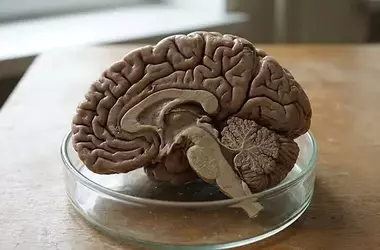
A recent study published in Translational Psychiatry suggests that the degree of cortical gyrification, or brain folding patterns, in specific frontal regions of the brain may predict the effectiveness of ADHD treatments in adults. While neither group psychotherapy nor methylphenidate showed overall superiority to control conditions, individuals with higher gyrification in certain frontal areas tended to experience greater symptom reduction. This research highlights the potential of brain structure to inform personalized treatment approaches for ADHD.
 Dec 03, 2025
Understanding and Addressing Men's Mental Health Challenges
This article explores the common mental health challenges faced by men, including loneliness, stress, depression, and anxiety. It discusses the societal and cultural factors that often prevent men from seeking help and outlines the signs and symptoms of these conditions. The piece emphasizes that these issues are treatable and provides practical strategies and resources for men to improve their mental well-being, highlighting that seeking support is a sign of strength.
 Dec 01, 2025
Leveraging Life Coaching Templates for Effective Client Progression
Life coaching templates are invaluable tools that provide structure, clarity, and consistency to coaching sessions. They aid coaches in guiding clients through personal and professional development by offering structured approaches, relevant exercises, and ethical guidelines. These templates streamline administrative tasks, track client progress, and ensure a results-driven approach, ultimately enhancing the coaching practice's professionalism and effectiveness.
 Dec 01, 2025
Overcoming Overthinking: Five Effective Strategies for Mental Clarity
This article outlines five practical strategies for individuals who frequently overthink to navigate their thoughts more effectively. It emphasizes the importance of awareness, grounding techniques, cultivating curiosity over judgment, aligning actions with personal values, and effectively closing thought cycles. The goal is to shift from repetitive rumination to a more peaceful and purposeful state of mind through consistent practice and intentional small changes.
 Dec 01, 2025
Navigating the Labyrinth of Persistent Overthinking
This article explores the insidious nature of chronic overthinking, a common mental habit where reflective thoughts devolve into unproductive rumination. It delves into the mechanics of this cycle, examining why the mind engages in excessive analysis and the hidden costs associated with it. The piece also offers practical strategies for breaking free from this pattern, emphasizing the importance of awareness, shifting perspective, and taking deliberate action to foster mental clarity and emotional balance.
 Dec 01, 2025
Integrating Gratitude and Happiness in Trauma Therapy
This article explores how gratitude can be a powerful tool in trauma-informed therapy, not as a means to deny pain, but to help individuals process and carry it differently. It delves into the psychology of gratitude, its impact on happiness, and offers practical strategies for integrating this emotion into daily life for emotional resilience and holistic well-being.