 Breaking News & Live Updates
- Breaking News & Live Updates
- Breaking News & Live Updates
- Breaking News & Live Updates
- Breaking News & Live Updates
- Breaking News & Live Updates
- Breaking News & Live Updates
- Breaking News & Live Updates
- Breaking News & Live Updates
- Breaking News & Live Updates
Dietary Patterns and Cognitive Health: A Scientific Review
Emerging research underscores the profound impact of dietary choices on long-term cognitive function. A groundbreaking study reveals that specific eating patterns, notably those abundant in nutrient-dense foods, can significantly slow age-related memory decline and bolster brain resilience against neurodegenerative conditions.
Detailed Report on Dietary Influence on Cognitive Function
In a compelling investigation recently published in the esteemed journal Scientific Reports, a team of researchers from China, spearheaded by Xiaofang Liu of the Huadu District People’s Hospital of Guangzhou, explored the long-term neuroprotective effects of two prominent dietary frameworks: the Mediterranean diet and the Mediterranean-DASH Intervention for Neurodegenerative Delay (MIND) diet. Their findings indicate that both dietary approaches are strongly associated with superior cognitive health, with the MIND diet demonstrating a marginal, yet noteworthy, advantage.
This five-year observational study enlisted 1,500 participants, ranging from 50 to 75 years of age, comprising an equal number of healthy individuals and those previously diagnosed with Alzheimer’s disease. Throughout the study period, participants’ dietary habits were meticulously monitored using questionnaires and digital applications. Concurrently, their memory and intellectual capabilities were rigorously assessed at regular intervals. To gain deeper insights into the underlying biological mechanisms, blood and spinal fluid samples were analyzed for biomarkers indicative of Alzheimer’s pathology, such as amyloid-beta and tau proteins. Furthermore, sophisticated brain imaging techniques were employed to track changes in hippocampal volume and cortical thickness—critical indicators of neurodegeneration.
The results were compelling: individuals who rigorously adhered to either the Mediterranean or the MIND diet exhibited higher scores on cognitive assessments and displayed lower concentrations of harmful proteins linked to Alzheimer’s. These participants also showed reduced systemic inflammation, a recognized contributor to neural decline. Significantly, brain scans corroborated these behavioral and biochemical findings, revealing a slower rate of hippocampal shrinkage and cortical thinning in those maintaining strong dietary adherence. The hippocampus, a vital region for memory formation, and the cortex, essential for higher-order thinking, are particularly vulnerable in neurodegenerative diseases.
The research team posited that while both diets offer substantial neuroprotection, the MIND diet’s deliberate inclusion of specific brain-boosting nutrients—such as berries, leafy green vegetables, and whole grains—might confer its slight superiority. Essential nutrients like omega-3 fatty acids, polyphenols, and B vitamins were also identified as crucial for enhancing cognitive performance.
Intriguingly, the study also addressed the role of genetic predisposition. Even individuals carrying the APOE-ε4 gene variant, a known risk factor for Alzheimer’s, experienced tangible benefits from adhering to these diets. This suggests that nutritional interventions can partially mitigate genetic vulnerabilities, offering a ray of hope for those at higher risk.
However, the researchers acknowledged certain limitations. The reliance on self-reported dietary intake, while common, can introduce potential inaccuracies. Additionally, the exclusion of participants with other severe health conditions might constrain the generalizability of these findings to broader populations.
Reflections on the Path to Cognitive Well-being
This research offers a powerful testament to the adage “you are what you eat,” particularly when it comes to brain health. It reinforces the growing body of evidence that dietary choices are not merely about physical well-being but are intimately intertwined with our cognitive longevity. The subtle superiority of the MIND diet over the traditional Mediterranean diet, primarily due to its emphasis on specific neuroprotective foods, invites us to consider a more targeted approach to nutritional neuroscience. As a reader, I find this particularly inspiring, highlighting that even in the face of genetic predispositions, proactive lifestyle adjustments, especially dietary ones, can serve as a potent defense against cognitive decline. This study encourages a deeper exploration into personalized nutritional strategies as a cornerstone of preventive health, urging individuals to consciously “feed their brain” with nutrient-rich ingredients to preserve mental acuity and quality of life well into old age.
Other Articles
 Dec 03, 2025
Understanding Neurodiversity: Perceptions of Terminology Among Neurodivergent Adults
A recent study explored neurodivergent individuals' perceptions of the terms "neurodiversity" and "neurodivergent." Findings indicate widespread familiarity and personal use of "neurodivergent" to self-describe, highlighting its role as a unifying label. However, the research also uncovered significant frustration with the common misuse of "neurodiverse" to describe individuals rather than groups, underscoring a critical need for accurate terminology to avoid misrepresentation and stigma. The study emphasizes the importance of precise language in fostering inclusion and respect within the neurodivergent community.
 Dec 03, 2025
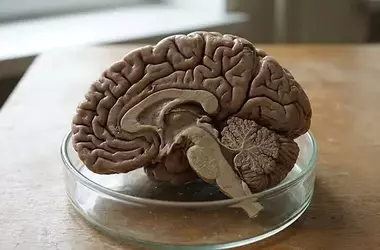
Brain Folding Patterns and ADHD Treatment Outcomes
A recent study published in Translational Psychiatry suggests that the degree of cortical gyrification, or brain folding patterns, in specific frontal regions of the brain may predict the effectiveness of ADHD treatments in adults. While neither group psychotherapy nor methylphenidate showed overall superiority to control conditions, individuals with higher gyrification in certain frontal areas tended to experience greater symptom reduction. This research highlights the potential of brain structure to inform personalized treatment approaches for ADHD.
 Dec 03, 2025
Understanding and Addressing Men's Mental Health Challenges
This article explores the common mental health challenges faced by men, including loneliness, stress, depression, and anxiety. It discusses the societal and cultural factors that often prevent men from seeking help and outlines the signs and symptoms of these conditions. The piece emphasizes that these issues are treatable and provides practical strategies and resources for men to improve their mental well-being, highlighting that seeking support is a sign of strength.
 Dec 01, 2025
Leveraging Life Coaching Templates for Effective Client Progression
Life coaching templates are invaluable tools that provide structure, clarity, and consistency to coaching sessions. They aid coaches in guiding clients through personal and professional development by offering structured approaches, relevant exercises, and ethical guidelines. These templates streamline administrative tasks, track client progress, and ensure a results-driven approach, ultimately enhancing the coaching practice's professionalism and effectiveness.
 Dec 01, 2025
Overcoming Overthinking: Five Effective Strategies for Mental Clarity
This article outlines five practical strategies for individuals who frequently overthink to navigate their thoughts more effectively. It emphasizes the importance of awareness, grounding techniques, cultivating curiosity over judgment, aligning actions with personal values, and effectively closing thought cycles. The goal is to shift from repetitive rumination to a more peaceful and purposeful state of mind through consistent practice and intentional small changes.
 Dec 01, 2025
Navigating the Labyrinth of Persistent Overthinking
This article explores the insidious nature of chronic overthinking, a common mental habit where reflective thoughts devolve into unproductive rumination. It delves into the mechanics of this cycle, examining why the mind engages in excessive analysis and the hidden costs associated with it. The piece also offers practical strategies for breaking free from this pattern, emphasizing the importance of awareness, shifting perspective, and taking deliberate action to foster mental clarity and emotional balance.