 Breaking News & Live Updates
- Breaking News & Live Updates
- Breaking News & Live Updates
- Breaking News & Live Updates
- Breaking News & Live Updates
- Breaking News & Live Updates
- Breaking News & Live Updates
- Breaking News & Live Updates
- Breaking News & Live Updates
- Breaking News & Live Updates
Liver-Brain Communication Mimics Exercise Benefits in Aging and Alzheimer's
Unlocking the Brain's Fountain of Youth: A Liver-Based Solution to Cognitive Decline
The Link Between Physical Activity and Brain Health: A Long-Recognized Phenomenon
For many years, medical experts have acknowledged the significant role of aerobic exercise in promoting optimal brain health. Engaging in physical activity not only stimulates the generation of new neurons but also enhances learning capabilities and reduces brain inflammation. However, the prescription for regular vigorous exercise often presents a challenge for elderly individuals or those with physical limitations, making it difficult to achieve these benefits through traditional means.
Addressing the Challenge: The Need for Pharmaceutical Solutions
The inability of some individuals to engage in strenuous exercise due to frailty or cardiovascular conditions underscores a critical scientific need: to decipher the biological signals that exercise triggers within the body. Identifying these crucial signals could pave the way for developing pharmaceutical interventions that capture the cognitive benefits of physical activity in a convenient and accessible form, offering a transformative solution for those who cannot exercise.
Exploring the Blood-Brain Connection: A Decade of Research
Dr. Saul A. Villeda and his research team at the University of California, San Francisco, have dedicated years to investigating how various factors circulating in the bloodstream influence the aging process. Their prior research demonstrated that transferring blood plasma from active mice to sedentary ones could impart the brain-enhancing effects of exercise. This discovery led them to identify a pivotal enzyme, GPLD1, which the liver produces and releases into the bloodstream following physical activity.
GPLD1's Indirect Influence: Bridging the Liver-Brain Divide
A key biological puzzle emerged concerning GPLD1: as an enzyme that acts as a catalyst for chemical reactions, it does not directly cross the blood-brain barrier. This barrier, a tightly regulated layer of cells lining the brain's blood vessels, prevents harmful substances from entering brain tissue. The research team hypothesized that GPLD1 must therefore act on the blood vessels themselves, rather than directly entering the brain, to exert its beneficial effects.
Unveiling the Mechanism: GPLD1, TNAP, and the Blood-Brain Barrier
Through genetic sequencing data analysis, researchers identified a protein called TNAP, located on the surface of brain blood vessel cells. Levels of TNAP were found to be low in young, healthy mice but significantly increased with age. High levels of TNAP on blood vessels were discovered to compromise the integrity of the blood-brain barrier, making it permeable and allowing harmful substances to infiltrate the brain, leading to inflammation and impaired neuronal function. The team's pivotal finding was that GPLD1 acts like molecular scissors, circulating in the blood to snip off TNAP anchored to brain blood vessels, thereby reducing active TNAP and restoring the barrier's integrity.
Experimental Validation: Restoring Cognitive Function in Aged Mice
To validate their hypothesis, the researchers conducted a series of experiments on mice. They genetically engineered young mice to overexpress TNAP, leading to leaky blood-brain barriers and cognitive deficits mirroring old age. Subsequently, aged mice treated with GPLD1, through genetic instructions to increase liver production of the enzyme, showed a reduction in TNAP, improved blood-brain barrier integrity, and enhanced cognitive function, including better object recognition and maze navigation. This demonstrated GPLD1's ability to reverse age-related cognitive decline.
Targeting TNAP: A Novel Pharmaceutical Approach
Beyond GPLD1, the team explored a direct pharmaceutical strategy by administering SBI-425, a drug known to inhibit TNAP activity. This inhibitor effectively blocked TNAP's action without requiring GPLD1. Aged mice treated with SBI-425 exhibited similar improvements in memory and barrier function to those treated with GPLD1, suggesting that directly targeting TNAP could be a viable therapeutic approach for drug development.
Extending the Research: Implications for Alzheimer's Disease
The investigation further extended to Alzheimer's disease models, using mice genetically predisposed to developing brain plaques and memory issues. Treatment with either GPLD1 or the TNAP inhibitor resulted in a reduction of plaque density and improved behavioral outcomes, such as better nest-building, a standard measure of well-being in mice. These findings underscore the profound connection between liver signals and brain protection, particularly in neurodegenerative conditions.
Future Directions and Considerations: Bridging the Gap to Human Therapies
While the study's results are encouraging, crucial considerations remain for human application. The research was conducted on mice, necessitating further investigation into human biological responses. However, analysis of human tissue samples revealed higher TNAP levels in the blood vessels of Alzheimer's patients, suggesting cross-species conservation of this mechanism. Future research will focus on the safety and efficacy of TNAP inhibitors in humans, while also exploring other potential protein targets on the blood-brain barrier. This research provides a foundational blueprint for understanding how exercise's protective effects on the brain can be harnessed for therapeutic development.
Other Articles
 Feb 18, 2026
Video Games Show Potential for ADHD Attention Improvement
New research suggests that specifically designed video games could offer slight improvements in attention for children with ADHD and similar neurodevelopmental conditions. Although promising within a research context, the benefits are not substantial enough for these games to be a primary treatment. The study, published in "Psychiatry Research," highlights the potential for digital interventions as a supplementary tool when combined with established therapies.
 Feb 18, 2026
Brain Stimulation May Help Lonely Individuals Process Negative Social Cues
New research from the Polish Academy of Sciences suggests that targeted electrical stimulation to the brain's frontal lobe can alter how lonely individuals perceive negative social interactions. The study, published in Biological Psychology, indicates that while lonely people might report reduced negativity after stimulation, their underlying brain activity patterns related to emotional processing may not show a similar change. This highlights a potential disconnect between conscious feelings and physiological responses in those experiencing loneliness.
 Feb 18, 2026
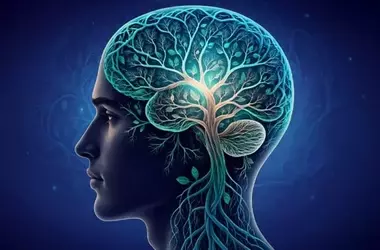
Ibogaine and Magnesium Combination Accelerates "Auto-Psychotherapy" in PTSD Treatment
A study published in npj Mental Health Research indicates that a combination of ibogaine and magnesium can facilitate a rapid, self-directed healing process dubbed "auto-psychotherapy" in U.S. Special Operations veterans dealing with PTSD. This treatment enables individuals to re-examine traumatic memories, reframe their life narratives, and experience a perceived physical repair of their brain.
 Feb 18, 2026
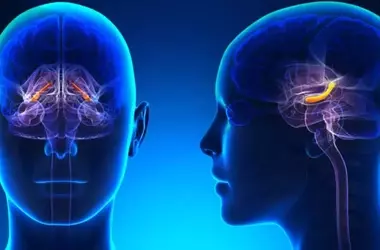
Left Hippocampus Size Predicts Antidepressant Efficacy
New research from Japan indicates that individuals with a larger left hippocampus volume and greater leftward laterality are more likely to respond positively to escitalopram, an antidepressant. The study, published in *Translational Psychiatry*, also observed an increased volume in the right hippocampus and right hippocampal head in responders. These findings suggest that brain structure could be a key factor in predicting treatment outcomes for depression, potentially guiding personalized therapeutic approaches.
 Feb 17, 2026
Exercise: A Natural Antidote to Rumination in Depression
A German study discovered that just 30 minutes of moderate physical activity significantly reduced rumination in individuals experiencing depression, compared to sedentary periods. This positive effect was observed through both self-reported feelings and brainwave (EEG) measurements. The findings support the Distraction Hypothesis, suggesting exercise helps shift focus away from repetitive negative thoughts.
 Feb 17, 2026
Mastering Stress and Preventing Burnout with Anchor Cards
This article introduces Anchor Cards as an innovative solution for managing stress and preventing burnout. It highlights how these science-backed tools help individuals recognize stress patterns, build resilience, and maintain well-being. The cards offer practical, accessible strategies to intervene before stress escalates, fostering a proactive approach to mental and emotional health.