 Breaking News & Live Updates
- Breaking News & Live Updates
- Breaking News & Live Updates
- Breaking News & Live Updates
- Breaking News & Live Updates
- Breaking News & Live Updates
- Breaking News & Live Updates
- Breaking News & Live Updates
- Breaking News & Live Updates
- Breaking News & Live Updates
Ibogaine and Magnesium Combination Accelerates "Auto-Psychotherapy" in PTSD Treatment
A recent study published in npj Mental Health Research highlights the potential of combining ibogaine with magnesium to induce an accelerated form of self-guided psychological healing in military veterans suffering from post-traumatic stress disorder (PTSD). This unique therapeutic process, termed 'auto-psychotherapy', allows individuals to confront and reframe past traumas, leading to a sense of cerebral rejuvenation.
Ibogaine, a potent psychoactive compound sourced from the African shrub Tabernanthe iboga, has a history of traditional use and is now being explored for its efficacy in addressing addiction and severe mental health conditions. Due to potential cardiac risks associated with ibogaine, the treatment protocol in this study wisely incorporated magnesium, a mineral recognized for its cardiovascular and neurological benefits. While previous research has shown ibogaine's capacity to alleviate symptoms of depression, anxiety, and substance use disorders, the underlying patient experience driving these improvements remained largely unexplored. The current study aimed to bridge this knowledge gap by meticulously documenting the subjective experiences of veterans undergoing treatment, thereby linking clinical outcomes to the profound internal shifts they reported. Clayton Olash, a psychiatry resident and affiliate researcher at Stanford University, emphasized the study's goal to understand the 'lived healing processes' beyond mere symptom reduction, and to evaluate how these personal narratives align with established therapeutic frameworks.
The study enrolled 30 male U.S. Special Operations Veterans, many of whom had extensive combat exposure and traumatic brain injuries, and met criteria for PTSD, major depressive disorder, or alcohol use disorder. The structured treatment regimen, conducted in Tijuana, Mexico, included medical screening, preparatory sessions, and careful administration of intravenous magnesium followed by oral ibogaine, with continuous medical monitoring. Post-treatment, participants provided written accounts of their experiences, which were analyzed using constructivist grounded theory to identify recurring patterns. The findings revealed a process of 'accelerated auto-psychotherapy,' characterized by four key domains: dialogic trauma reappraisal, where veterans revisited traumatic memories with detachment and internal guidance; an altered sense of self and mystical connectedness, fostering awe and a merging with a higher presence; profound emotional resolution, leading to relief from guilt, shame, and anger, replaced by forgiveness and renewed social connections; and embodied healing, characterized by sensations of neural repair. These subjective reports, while not proving biological repair, correlated with objective cognitive recovery observed in prior studies involving the same cohort, suggesting a potent mechanism for profound change that differs from typical symptom-suppressing psychiatric medications.
The findings illuminate the transformative potential of such interventions, suggesting that when carefully managed, psychedelic treatments can facilitate deep psychological restructuring rather than just transient altered states. This research paves the way for future investigations combining qualitative narratives with neuroimaging to scientifically validate the reported brain changes. By understanding these intricate mechanisms, the medical community can aspire to develop safer and more personalized treatments for complex neuropsychiatric conditions, fostering a new era of mental healthcare that is both effective and deeply empathetic.
Other Articles
 Feb 18, 2026
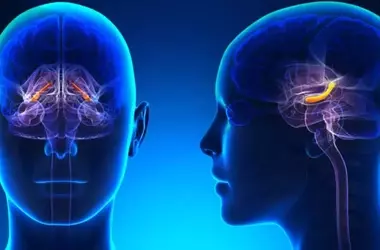
Left Hippocampus Size Predicts Antidepressant Efficacy
New research from Japan indicates that individuals with a larger left hippocampus volume and greater leftward laterality are more likely to respond positively to escitalopram, an antidepressant. The study, published in *Translational Psychiatry*, also observed an increased volume in the right hippocampus and right hippocampal head in responders. These findings suggest that brain structure could be a key factor in predicting treatment outcomes for depression, potentially guiding personalized therapeutic approaches.
 Feb 17, 2026
Exercise: A Natural Antidote to Rumination in Depression
A German study discovered that just 30 minutes of moderate physical activity significantly reduced rumination in individuals experiencing depression, compared to sedentary periods. This positive effect was observed through both self-reported feelings and brainwave (EEG) measurements. The findings support the Distraction Hypothesis, suggesting exercise helps shift focus away from repetitive negative thoughts.
 Feb 17, 2026
Mastering Stress and Preventing Burnout with Anchor Cards
This article introduces Anchor Cards as an innovative solution for managing stress and preventing burnout. It highlights how these science-backed tools help individuals recognize stress patterns, build resilience, and maintain well-being. The cards offer practical, accessible strategies to intervene before stress escalates, fostering a proactive approach to mental and emotional health.
 Feb 17, 2026
Musical Robots: Blending AI Speech and Song to Address Loneliness
New research shows that robots can create a stronger emotional bond with humans and increase perceived empathy by combining AI-powered empathetic speech with music. This approach, especially beneficial for the elderly, transforms human-robot interaction by making it feel more human-like. However, the effect may diminish over time, suggesting that future robots need to be "quantum-inspired" to adapt to the fluid nature of human feelings.
 Feb 16, 2026
Sugar-Sweetened Drinks Linked to Adolescent Anxiety
A new comprehensive analysis suggests a link between high consumption of sugary beverages and increased anxiety symptoms in teenagers. This research highlights the need to consider dietary habits beyond physical health implications, particularly given the rising rates of anxiety in young people. While the study doesn't establish direct causation, it identifies a significant lifestyle factor that could be addressed to improve adolescent mental well-being.
 Feb 16, 2026
Cultivating Stronger Connections: The Power of Boundary-Building Anchor Cards
This article explores the significance of healthy boundaries in fostering authentic relationships and promoting mental well-being. It introduces Boundary-Building Anchor Cards, a practical tool designed to help individuals identify, strengthen, and maintain their personal limits. The piece explains how these cards facilitate boundary mapping, maintenance, flexibility, and the establishment of romantic and internal boundaries, offering a comprehensive approach to enhancing relational health and personal resilience.