 Breaking News & Live Updates
- Breaking News & Live Updates
- Breaking News & Live Updates
- Breaking News & Live Updates
- Breaking News & Live Updates
- Breaking News & Live Updates
- Breaking News & Live Updates
- Breaking News & Live Updates
- Breaking News & Live Updates
- Breaking News & Live Updates
Sugar-Sweetened Drinks Linked to Adolescent Anxiety
Emerging research indicates a notable association between the frequent consumption of sugar-sweetened drinks and heightened anxiety symptoms among adolescents. This discovery emphasizes a crucial, yet often overlooked, aspect of public health: the mental health ramifications of dietary choices. While previous health initiatives primarily focused on the physical detriments of high-sugar diets, such as obesity and type-2 diabetes, this study shifts attention to the significant impact on psychological well-being. Researchers suggest that by addressing dietary habits, particularly the intake of sugary beverages, it may be possible to mitigate the growing prevalence of anxiety disorders in younger populations.
The findings, stemming from a systematic review and meta-analysis, reveal a consistent pattern across multiple studies: adolescents who consume more sugar-sweetened drinks are more likely to experience anxiety. This connection underscores the complexity of mental health issues and points towards lifestyle interventions as a potential avenue for support. While the research does not definitively prove that sugary drinks directly cause anxiety, it strongly indicates a correlation, prompting further investigation into the underlying mechanisms and potential reciprocal relationships. Understanding this link is vital for developing holistic approaches to adolescent health, encouraging a reevaluation of dietary guidelines to encompass both physical and mental well-being.
The Connection Between Sugary Drinks and Adolescent Anxiety
A recent meta-analysis has brought to light a consistent relationship between adolescents' high intake of sugar-sweetened beverages and the manifestation of anxiety symptoms. This extensive review, which encompassed numerous studies, sought to identify common threads linking dietary patterns and mental health. The researchers specifically examined beverages dense in energy but sparse in nutrients, such as carbonated sodas, energy drinks, sweetened fruit juices, and even sugary versions of teas and coffees. The consistent association found across these studies highlights a critical, yet often neglected, dimension of public health conversations, typically dominated by physical health concerns like diabetes and obesity. This new perspective suggests that the mental health implications of modern dietary habits are equally deserving of attention and action.
The investigation reveals that a wide array of sweet drinks, including not just fizzy sodas and energy boosters but also sweetened milks and flavored waters, are correlated with increased anxiety in young individuals. This is particularly relevant given the escalating rates of anxiety disorders among adolescents, with estimates indicating that approximately one in five young people experience mental health conditions. While this research establishes a strong link, it is important to note that it does not yet confirm a direct cause-and-effect relationship. It remains a possibility that anxious teenagers might gravitate towards comforting sugary drinks, or that other common factors, such as sleep disturbances or family dynamics, could contribute to both elevated sugar consumption and heightened anxiety. Nevertheless, the identification of such a robust connection signals that modifying lifestyle choices, particularly reducing sugary drink intake, could be a significant step in addressing adolescent mental health challenges.
Implications for Adolescent Mental Health and Dietary Habits
The findings from this comprehensive review underscore the importance of recognizing dietary habits as a critical, and modifiable, factor in adolescent mental well-being. Public health dialogues have historically centered on the physical health risks associated with sugary diets, such as the rising incidence of obesity and type-2 diabetes. However, the mental health dimension, particularly concerning the impact of nutrient-poor, energy-dense beverages, has largely remained in the shadows. This study argues for a broader perspective, emphasizing that the psychological consequences of an imbalanced diet are as significant as the physical ones. It calls for an expanded public health strategy that integrates mental health considerations into dietary guidelines, especially for younger demographics where anxiety disorders are becoming increasingly prevalent.
Considering that anxiety affects a significant portion of young people, identifying lifestyle factors that can be adjusted to mitigate this trend is a priority. The research team points out that while the exact causal pathway between sugary drinks and anxiety is still being investigated, the strong correlation itself warrants action. Reducing the consumption of these beverages represents a tangible and manageable lifestyle modification that could contribute to better mental health outcomes for adolescents. This is not merely about preventing physical ailments but also about fostering a supportive environment for mental development. Educational programs and interventions aimed at promoting healthier beverage choices could play a vital role in tackling the escalating rates of anxiety among youth, providing them with better tools and habits for long-term psychological resilience.
Other Articles
 Feb 16, 2026
Cultivating Stronger Connections: The Power of Boundary-Building Anchor Cards
This article explores the significance of healthy boundaries in fostering authentic relationships and promoting mental well-being. It introduces Boundary-Building Anchor Cards, a practical tool designed to help individuals identify, strengthen, and maintain their personal limits. The piece explains how these cards facilitate boundary mapping, maintenance, flexibility, and the establishment of romantic and internal boundaries, offering a comprehensive approach to enhancing relational health and personal resilience.
 Feb 15, 2026
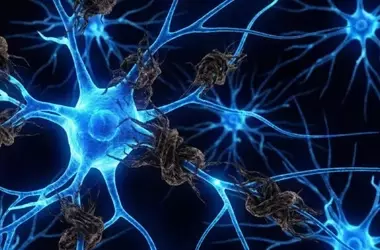
Understanding Polyserine's Role in Neurodegenerative Diseases
A recent study highlights the detrimental effects of polyserine domains, repetitive amino acid chains, on brain cells and their contribution to the aggregation of toxic proteins in neurodegenerative disorders like Alzheimer's. The research, published in the Proceedings of the National Academy of Sciences, suggests that these chains actively drive neurological decline and could be a novel target for therapeutic interventions.
 Feb 15, 2026
Exercise: A Powerful Prescription for Mental Well-being
A comprehensive analysis reveals that physical activity can be as effective as therapy or medication in treating depression and anxiety. The research, a meta-meta-analysis, highlights the importance of tailored exercise regimens, suggesting group activities for depression and short-term programs for anxiety. These findings emphasize exercise's role as a legitimate clinical intervention, particularly for young adults and new mothers, urging healthcare professionals to confidently prescribe physical activity for mental health.
 Feb 15, 2026
Genetic Predisposition to Anhedonia and Brain's Reward System
A German study reveals that individuals with a higher genetic risk for anhedonia exhibit distinct brain activity patterns during anticipated monetary rewards. Specifically, reduced activation was observed in the bilateral putamen and left middle frontal gyrus during anticipation, and decreased activity in the right caudate during feedback. Published in the Journal of Affective Disorders, this research sheds light on the neurobiological underpinnings of anhedonia.
 Feb 14, 2026
Faith and Feelings: How Spirituality Reduces Depression and Stress
A recent study, published in the Journal of Affective Disorders, reveals that religious belief can act as a buffer against depression and stress. This protective effect is primarily attributed to heightened feelings of gratitude and a robust sense of social support among religious individuals. The research, drawing on data from the Midlife in the United States (MIDUS) study, suggests that integrating spirituality into daily life may foster crucial psychological resources that enhance overall well-being.
 Feb 14, 2026
Brain Signal Associated with OCD Compulsions Identified
Researchers have pinpointed a specific high-frequency brain activity pattern in the anteromedial orbitofrontal cortex (amOFC) directly linked to compulsive behaviors in individuals with obsessive-compulsive disorder (OCD). In a study involving three patients suffering from severe, treatment-resistant OCD, temporarily disrupting this neural signal through targeted deep-brain stimulation (DBS) led to a rapid decrease in their symptoms. This discovery suggests that OCD symptoms may stem from dysfunctional frontal brain circuitry and paves the way for advanced, responsive DBS systems that only activate when pathological brain signals are detected.