 Breaking News & Live Updates
- Breaking News & Live Updates
- Breaking News & Live Updates
- Breaking News & Live Updates
- Breaking News & Live Updates
- Breaking News & Live Updates
- Breaking News & Live Updates
- Breaking News & Live Updates
- Breaking News & Live Updates
- Breaking News & Live Updates
Brain Stimulation May Help Lonely Individuals Process Negative Social Cues
Loneliness is more than a fleeting emotion; it acts as a pervasive lens through which the brain interprets the social world. Emerging research has shed light on how this enduring state can reshape the neural pathways involved in assessing threats and regulating emotions.
This study reveals that applying a mild electrical current to a specific area of the frontal lobe can lead lonely individuals to experience distressing social scenarios as less impactful. These findings offer a novel perspective on the subtle divergence between the physiological reactions of lonely individuals to their surroundings and their conscious interpretation of those responses.
Social isolation is a significant factor contributing to various physical and mental health challenges. Previous studies have indicated that loneliness can induce a state of heightened alertness, where the brain is constantly scanning for social signals in an attempt to forge connections. This perpetual vigilance, however, can deplete cognitive resources, potentially hindering the brain's capacity to manage emotional reactions.
A team of researchers at the Institute of Psychology within the Polish Academy of Sciences investigated this phenomenon. They had previously observed a fascinating paradox: lonely individuals often exhibited strong physiological responses to negative social stimuli, yet they reported lower levels of emotional arousal compared to their non-lonely counterparts. This inconsistency led them to hypothesize that loneliness might disrupt the self-monitoring processes that allow individuals to accurately gauge their internal emotional states. To explore this, the researchers focused on the dorsolateral prefrontal cortex, a brain region critical for executive functions and the top-down regulation of emotions.
The study involved 120 participants, divided into two groups based on their levels of loneliness. The researchers used transcranial direct current stimulation (tDCS) to modulate brain activity in the dorsolateral prefrontal cortex. Participants underwent two sessions: one with active anodal stimulation, which typically enhances neuronal activity, and another with a sham stimulation as a control. During these sessions, participants viewed various images, including negative social and non-social content, and were instructed either to passively observe or to actively reappraise the images. Their emotional responses were then rated, and brain activity was recorded using electroencephalography (EEG).
The findings indicated that active stimulation to the left dorsolateral prefrontal cortex significantly reduced the perceived unpleasantness of negative social images in lonely participants during passive viewing. This suggests that enhancing activity in this region could help lonely individuals mitigate their immediate, automatic negative evaluations of social threats. Interestingly, while participants reported feeling less negativity, their brain wave patterns did not show a corresponding decrease in emotional processing activity, supporting the idea of a disconnect between conscious feeling and physiological response in lonely individuals. The study also found that active stimulation enhanced the neural modulation associated with cognitive reappraisal for social stimuli across all participants, although paradoxically, participants rated these images as more negative during reappraisal under active stimulation, hinting that the brain was working harder to reframe the images, but the subjective experience of effectiveness was reduced.
These results underscore that loneliness involves a complex interplay between automatic brain reactions and conscious emotional experience. By demonstrating that targeted brain stimulation can influence subjective emotional evaluations, this research paves the way for potential neural interventions to support therapies aimed at alleviating social isolation. It highlights a promising new direction in understanding and addressing the profound impact of loneliness on mental well-being, emphasizing the importance of continued exploration into the neural mechanisms underlying this widespread human experience.
Other Articles
 Feb 18, 2026
Ibogaine and Magnesium Combination Accelerates "Auto-Psychotherapy" in PTSD Treatment
A study published in npj Mental Health Research indicates that a combination of ibogaine and magnesium can facilitate a rapid, self-directed healing process dubbed "auto-psychotherapy" in U.S. Special Operations veterans dealing with PTSD. This treatment enables individuals to re-examine traumatic memories, reframe their life narratives, and experience a perceived physical repair of their brain.
 Feb 18, 2026
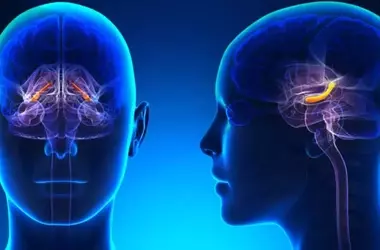
Left Hippocampus Size Predicts Antidepressant Efficacy
New research from Japan indicates that individuals with a larger left hippocampus volume and greater leftward laterality are more likely to respond positively to escitalopram, an antidepressant. The study, published in *Translational Psychiatry*, also observed an increased volume in the right hippocampus and right hippocampal head in responders. These findings suggest that brain structure could be a key factor in predicting treatment outcomes for depression, potentially guiding personalized therapeutic approaches.
 Feb 17, 2026
Exercise: A Natural Antidote to Rumination in Depression
A German study discovered that just 30 minutes of moderate physical activity significantly reduced rumination in individuals experiencing depression, compared to sedentary periods. This positive effect was observed through both self-reported feelings and brainwave (EEG) measurements. The findings support the Distraction Hypothesis, suggesting exercise helps shift focus away from repetitive negative thoughts.
 Feb 17, 2026
Mastering Stress and Preventing Burnout with Anchor Cards
This article introduces Anchor Cards as an innovative solution for managing stress and preventing burnout. It highlights how these science-backed tools help individuals recognize stress patterns, build resilience, and maintain well-being. The cards offer practical, accessible strategies to intervene before stress escalates, fostering a proactive approach to mental and emotional health.
 Feb 17, 2026
Musical Robots: Blending AI Speech and Song to Address Loneliness
New research shows that robots can create a stronger emotional bond with humans and increase perceived empathy by combining AI-powered empathetic speech with music. This approach, especially beneficial for the elderly, transforms human-robot interaction by making it feel more human-like. However, the effect may diminish over time, suggesting that future robots need to be "quantum-inspired" to adapt to the fluid nature of human feelings.
 Feb 16, 2026
Sugar-Sweetened Drinks Linked to Adolescent Anxiety
A new comprehensive analysis suggests a link between high consumption of sugary beverages and increased anxiety symptoms in teenagers. This research highlights the need to consider dietary habits beyond physical health implications, particularly given the rising rates of anxiety in young people. While the study doesn't establish direct causation, it identifies a significant lifestyle factor that could be addressed to improve adolescent mental well-being.