 Breaking News & Live Updates
- Breaking News & Live Updates
- Breaking News & Live Updates
- Breaking News & Live Updates
- Breaking News & Live Updates
- Breaking News & Live Updates
- Breaking News & Live Updates
- Breaking News & Live Updates
- Breaking News & Live Updates
- Breaking News & Live Updates
From Anorexia to Faith: Kelsey Osgood's Transformative Journey
Kelsey Osgood, a distinguished author, reflects on her personal odyssey from the grips of anorexia to the embrace of religious faith. She critiques the conventional psychiatric paradigm, highlighting its limitations in addressing profound existential questions. Osgood advocates for a more comprehensive understanding of human suffering, suggesting that community and spiritual conviction can offer solace where clinical interventions may fall short. Her journey underscores a broader societal quest for meaning amidst the challenges of contemporary existence.
A Journey of Self-Discovery: From Psychiatric Treatment to Spiritual Awakening
In a compelling interview with Brooke Siem, author of "May Cause Side Effects," Kelsey Osgood, born in the mid-1980s in a quintessential New York suburb, shared her unique life narrative. Osgood, who struggled with anorexia during her adolescence and early adulthood, described how her inherent "existential discomfort" and a search for identity led her to consciously adopt the persona of an anorexic. This decision, she explained, was influenced by the pervasive media landscape of the late 1990s and early 2000s, which, through "sad girl lit" and eating disorder narratives, inadvertently presented these conditions as viable identities within a "symptom pool."
Osgood's experience with conventional therapy and psychiatric care proved to be a disillusioning one. Initially hopeful that therapists held a profound insight into the human condition, she soon realized that their interventions, including psychiatric medications, often felt arbitrary and ineffective. She recounts a particularly stark moment at age 23, after multiple hospitalizations and years on high-dose Prozac, when a Parisian pharmacist questioned her medication dosage, sparking a critical reevaluation of her treatment. Her attempts to taper off medication were met with dismissive responses from her care providers, who attributed her skepticism to a "personal desire to be an aesthetic" rather than legitimate concerns about her health and well-being.
The turning point for Osgood came at 31 when, contemplating motherhood, she successfully discontinued her medication, a process significantly aided by a subsequent pregnancy. This period marked a shift from seeking external validation and medical cures to an internal exploration of meaning. Her journey culminated in a profound religious conversion to Orthodox Judaism, a path she found offered the structure, community, and resilient worldview that psychiatry had failed to provide. Osgood observes a "crisis of meaning" in modern society, where loneliness and disconnection lead individuals to medicalize everyday struggles and the natural progression of life. She posits that religion, with its emphasis on interconnectedness, ritual, and a hopeful conception of human resilience, provides a more robust framework for navigating life's complexities than the "broken machine" narrative often found in psychiatric diagnoses. Her latest work, "Godstruck: Seven Women's Unexpected Journeys to Religious Conversion," published in March 2025, further explores these themes, offering diverse examples of spiritual transformation.
Kelsey Osgood's narrative offers a profound reflection on the limitations of modern psychiatric frameworks and the enduring human need for meaning and community. Her experience highlights the potential for alternative paths to healing and self-understanding, particularly through spiritual engagement. It challenges us to consider whether our current approaches to mental health adequately address the holistic well-being of individuals or if they merely perpetuate a cycle of medicalization without truly engaging with the deeper existential questions that often underpin human suffering. Osgood's call to reevaluate societal structures and to embrace a more hopeful, resilient view of humanity resonates strongly, urging a shift from fear-based reactions to discomfort towards a more compassionate and integrated approach to life's inherent challenges.
Other Articles
 May 01, 2026
Challenging Psychiatric Narratives: A Journey of Recovery and Advocacy
This interview features Prateeksha Sharma, a musician, researcher, and counselor, who shares her profound journey of recovery from a bipolar disorder diagnosis. She critically examines the psychiatric system, highlighting the silencing effects of diagnosis and the potential for recovery outside conventional medical approaches. Sharma's experience emphasizes the importance of holistic support, the role of personal connections, and the transformative power of creative expression in overcoming mental distress.
 May 01, 2026
Counselor Education in a Time of Fear
This article explores the subtle and overt pressures within counseling education programs that can stifle discussions on social justice and systemic harm. It highlights how institutional responses to critique can lead to a narrowing of discourse, impacting future counselors' ability to address the complex realities faced by their clients, particularly those experiencing racial battle fatigue.
May 01, 2026The Path to Recovery: Challenging Psychiatric Diagnoses and Embracing Holistic Healing
This interview features Prateeksha Sharma, a musician, researcher, and counselor, who challenges the prevailing pessimism surrounding psychosis and conditions like schizophrenia. Diagnosed with bipolar disorder in college, Sharma spent 18 years on psychiatric medication, which she describes as a period of "zombification." Her journey to recovery began after encountering a homeopathic doctor who promised healing, a stark contrast to the conventional psychiatric approach. Sharma's story highlights the importance of individual agency, familial support, and alternative therapies like music and animal companionship in navigating and overcoming mental health challenges.
 Apr 30, 2026
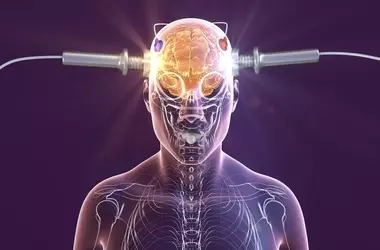
Families Speak Out on the Harms of ECT: A Call for Reassessment
A new study reveals that the majority of relatives and friends of individuals who have undergone Electroconvulsive Therapy (ECT) report a significant decline in their loved ones' overall quality of life. The research highlights prevalent memory loss, cognitive issues, and a general lack of improvement in symptoms, prompting concerns about the efficacy and informed consent practices surrounding ECT.
 Apr 30, 2026
Subtle Everyday Changes May Signal Early Alzheimer's Risk
New research suggests that persistent, subtle difficulties in daily tasks could be an early indicator of Alzheimer's disease, surfacing years before memory loss typically occurs. These functional changes, often overlooked, are linked to biological markers of the disease and warrant closer attention from families and healthcare providers. Recognizing these patterns early can lead to timely interventions and improved management of cognitive health in older adults.
 Apr 29, 2026
Tabletop RPGs Boost Self-Concept: A 'Drama Therapy in the Wild' for Identity Growth
A new study reveals that engaging with fictional characters in tabletop role-playing games can significantly enhance players' real-world self-identity. This research suggests that such games, akin to "drama therapy in the wild," offer an effective method for fostering self-esteem and navigating personal challenges, especially within supportive gaming communities. The findings highlight the therapeutic potential of these interactive experiences for psychological development.