 Breaking News & Live Updates
- Breaking News & Live Updates
- Breaking News & Live Updates
- Breaking News & Live Updates
- Breaking News & Live Updates
- Breaking News & Live Updates
- Breaking News & Live Updates
- Breaking News & Live Updates
- Breaking News & Live Updates
- Breaking News & Live Updates
Families Speak Out on the Harms of ECT: A Call for Reassessment
A recently published study sheds light on the experiences of family members and friends regarding Electroconvulsive Therapy (ECT), revealing widespread concerns about its negative impacts. The research indicates that a significant number of respondents witnessed a diminished quality of life in their loved ones post-ECT, alongside persistent issues with memory and cognition. Contrary to the intended therapeutic effects, many reported no improvement in symptoms, and some even observed a worsening condition. This comprehensive study underscores the need for a critical re-evaluation of ECT practices, particularly concerning patient well-being and the process of informed consent.
The Impact of Electroconvulsive Therapy: A Closer Look at Family Perspectives
In a groundbreaking article featured in Psychology and Psychotherapy: Theory, Research, and Practice, led by independent scholar Christopher Harrop and co-authored by Dr. John Read from the University of East London, compelling findings emerged from a global survey concerning Electroconvulsive Therapy (ECT). This study, conducted in 2026, gathered responses from 286 participants, predominantly from the United States (37%) and the United Kingdom (28%), who were friends or relatives of ECT recipients. The demographic data revealed that the majority of ECT recipients were white (89%) and female (68%), with daughters (19.4%), mothers (14.8%), and sisters (10.6%) being the most frequent respondents.
The survey's results painted a stark picture of the perceived harms of ECT. A staggering 60.1% of respondents reported that ECT was “not at all helpful,” while 80.9% believed it was harmful to some extent. Alarmingly, 42.4% indicated that the treated problems worsened, and 12.5% saw no change, meaning over half of the participants observed no improvement in their loved ones' symptoms. Furthermore, 61% noted a negative effect on their loved one's overall quality of life, compared to only 32.3% who saw improvement.
Memory loss was a dominant concern, with 60.7% reporting recent memory impairment and 73.3% experiencing issues with pre-ECT memories. Beyond memory, a wide array of adverse effects were frequently cited by over half of the respondents, including difficulty concentrating (79.1%), emotional blunting (72.6%), fatigue (73.3%), loss of independence (71.5%), relationship problems (70.2%), and difficulty with daily tasks such as driving, reading, and cooking. A troubling 34.2% suspected brain damage, and nearly half (47.7%) were unsure, while only 18.1% believed there was no brain damage.
The issue of consent was particularly contentious. While 47.1% stated their loved one consented voluntarily, 31.7% reported consent given under pressure, and 21.3% described the treatment as involuntary. This raises serious questions about ethical practices and patient autonomy within the mental health system. Participants expressed deep emotional distress, guilt, and a profound loss of faith in the medical community, with one family member describing the experience as 'terrifying' and another feeling they 'let her down' by not preventing the treatment.
The study acknowledges several limitations, such as potential recruitment bias due to the survey's distribution through channels critical of ECT, reliance on secondhand accounts and memory, and the exclusion of non-English speakers. Despite these, the consistent and overwhelming negative feedback from families provides a powerful argument against the current application of ECT.
This study serves as a poignant reminder that while medical interventions aim to alleviate suffering, their impact on patients and their families can be profoundly complex and, at times, devastating. The overwhelming reports of harm, particularly memory loss and decreased quality of life, alongside issues of consent, underscore an urgent need for greater transparency, more robust patient advocacy, and a re-evaluation of ECT's role in mental health treatment. It encourages the medical community to listen more attentively to the voices of those directly affected and to prioritize ethical considerations and holistic well-being over potentially harmful procedures. Moving forward, the mental health system must strive to offer treatments that truly heal, rather than inadvertently causing further suffering and despair.
Other Articles
 Apr 30, 2026
Subtle Everyday Changes May Signal Early Alzheimer's Risk
New research suggests that persistent, subtle difficulties in daily tasks could be an early indicator of Alzheimer's disease, surfacing years before memory loss typically occurs. These functional changes, often overlooked, are linked to biological markers of the disease and warrant closer attention from families and healthcare providers. Recognizing these patterns early can lead to timely interventions and improved management of cognitive health in older adults.
 Apr 29, 2026
Tabletop RPGs Boost Self-Concept: A 'Drama Therapy in the Wild' for Identity Growth
A new study reveals that engaging with fictional characters in tabletop role-playing games can significantly enhance players' real-world self-identity. This research suggests that such games, akin to "drama therapy in the wild," offer an effective method for fostering self-esteem and navigating personal challenges, especially within supportive gaming communities. The findings highlight the therapeutic potential of these interactive experiences for psychological development.
 Apr 29, 2026
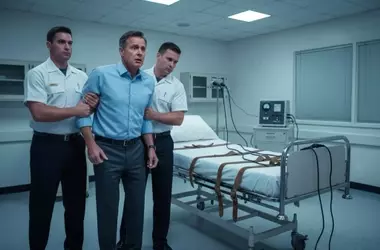
A Patient's Ordeal: From Altitude Sickness to Near Electroshock Therapy
This article recounts the harrowing journey of a 72-year-old man, 'John,' whose initial anxiety from altitude sickness led to a misdiagnosis of psychiatric disorders and a cascade of inappropriate drug prescriptions. Despite worsening symptoms, including severe withdrawal effects, medical professionals repeatedly escalated treatment, culminating in a recommendation for electroconvulsive therapy (ECT). The narrative highlights the systemic failures in psychiatric care, emphasizing the critical need for thorough patient history-taking and a cautious approach to psychotropic medications.
 Apr 29, 2026
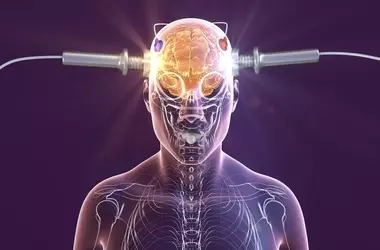
Families Reveal the Devastating Impact of Electroconvulsive Therapy
A recent study highlights the profound negative consequences of Electroconvulsive Therapy (ECT) on patients and their families. Relatives reported a significant decrease in overall quality of life, memory loss, and a worsening of symptoms post-treatment. The research underscores concerns about efficacy, informed consent, and the emotional distress experienced by those witnessing the changes in their loved ones.
 Apr 29, 2026
ADHD Medication's Unexpected Role in Psychosis Prevention
A groundbreaking study conducted in Finland, involving nearly 700,000 individuals, reveals that stimulant medication for ADHD, specifically methylphenidate, when initiated before age 13, might significantly reduce the long-term risk of developing psychotic disorders like schizophrenia. This challenges previous concerns about the medication's potential to induce psychosis and suggests a protective developmental window during childhood. The research provides crucial insights for families and clinicians regarding ADHD treatment decisions.
Apr 29, 2026A Patient's Ordeal: From Altitude Sickness to ECT Recommendation and Eventual Recovery
This article recounts the harrowing journey of John, a 72-year-old man who, after experiencing altitude sickness, was misdiagnosed with a psychiatric disorder and subjected to a cascade of inappropriate medications, leading to severe withdrawal symptoms. Despite expert medical advice recommending electroconvulsive therapy (ECT), John's determination to seek alternative solutions ultimately led him to a successful withdrawal regimen and a return to his former life.