 Breaking News & Live Updates
- Breaking News & Live Updates
- Breaking News & Live Updates
- Breaking News & Live Updates
- Breaking News & Live Updates
- Breaking News & Live Updates
- Breaking News & Live Updates
- Breaking News & Live Updates
- Breaking News & Live Updates
- Breaking News & Live Updates
The Path to Recovery: Challenging Psychiatric Diagnoses and Embracing Holistic Healing
In a world often quick to label and medicate, Prateeksha Sharma stands as a beacon of hope and resilience, challenging the entrenched, often pessimistic, views surrounding mental health conditions such as psychosis and schizophrenia. Her personal journey, marked by an 18-year reliance on psychiatric medication for a bipolar disorder diagnosis, underscores a powerful narrative of self-discovery and a critical re-evaluation of conventional mental health treatment. Sharma’s work and lived experience advocate for a more holistic, person-centered approach, highlighting the profound impact of diagnosis on identity and the potential for recovery beyond the confines of medical labels. Through her roles as a musician, researcher, and counselor, she champions the perspective of survivors, emphasizing that genuine healing often lies in meaningful connections, creative expression, and embracing alternative pathways to well-being.
Prateeksha Sharma's Journey: From Patient to Advocate for Holistic Healing
In 1992, during her final year of college, Prateeksha Sharma received a diagnosis of bipolar disorder. This marked the beginning of an 18-year period during which she was prescribed psychiatric medications, including antipsychotics and lithium. Despite initial rapid containment of her acute symptoms, she recalls her mother’s plea to taper off the medication being met with an increased dosage by her psychiatrist. Sharma describes this extended period as one of “zombification,” where her identity was primarily defined by her patient status, severely compromising her quality of life and creative pursuits.
She vividly remembers months of depression, an inability to engage with her music, and a profound mental fog that left her without words or ideas. Despite her unwavering compliance with medication, she observed that significant life stressors still triggered what she termed “psychotic breakdowns,” leading her to question the efficacy of her long-term treatment. A pivotal moment arrived when her family, driven by concern, introduced her to a homeopathic doctor. This doctor spent an unprecedented two and a half hours listening to her detailed life history and remarkably assured her of full recovery—a concept entirely foreign to her after years within the conventional psychiatric system.
Sharma’s subsequent decision to discontinue medication, initially cold turkey under the homeopath’s guidance, was supported by her family. Although she experienced emotional flares for about six months, she successfully navigated this transition amidst significant personal upheaval, including a family relocation. Her recovery was bolstered by intentional self-care, including proper nutrition, cannabis oils, and homeopathic remedies, demonstrating that alternative paths can lead to healing.
Her personal experience illuminated the profound harm a psychiatric diagnosis can inflict. She noted how a diagnosis, intended to offer relief through recognition of pain, often leads to silence, shame, and self-stigma. It transforms individuals into “subjects of psychiatry,” where their behavior is pathologized, and their families may inadvertently become extensions of the medical system, enforcing compliance. Sharma’s research and advocacy underscore that recovery is not a linear process and that relapses, such as her own after her father’s passing in 2024, are part of a complex healing journey. Crucially, she navigated this later breakdown using non-psychiatric methods, emphasizing the importance of supportive relationships and personal resilience.
During her recovery, her dogs played an indispensable role, providing companionship, structure, and a sense of responsibility. Caring for them instilled discipline, ensuring she maintained basic daily routines like cooking and walking, which prevented further isolation and neglect. Music, a lifelong passion, served as another critical avenue for healing, offering a means to express inner turmoil and reaffirm her identity beyond that of a patient. She realized she was a singer, a composer, a writer, and a thinker, demonstrating that creative outlets are vital for reconnecting with the self and communicating deeply felt experiences.
Currently, Prateeksha Sharma is a distinguished research fellow at the National Academy of Legal Studies and Research in Hyderabad and the founder of the Brightside Family Counseling Center. Her work critically examines psychiatric systems, advocating for survivor perspectives and challenging the notion that mental suffering must perpetuate the status quo.
Rethinking Mental Health: Empathy, Connection, and the Power of Alternative Paths
Prateeksha Sharma’s compelling narrative offers a profound challenge to the conventional understanding and treatment of mental distress. Her experience forces us to critically examine the power dynamics inherent in psychiatric diagnoses and the potential for these labels to become barriers rather than pathways to healing. As a society, we must reflect on how readily we cede authority to medical professionals, often without questioning the long-term impact of pharmaceutical interventions on an individual's identity and agency. This story underscores the urgent need for a more empathetic, holistic, and individualized approach to mental health, one that prioritizes listening, validating personal experiences, and exploring diverse avenues for recovery that extend beyond medication. It serves as a potent reminder that true well-being is not merely the absence of symptoms, but the presence of meaningful connection, creative expression, and a reclaimed sense of self, supported by a community that believes in one’s inherent capacity to heal and thrive.
Other Articles
 Apr 30, 2026
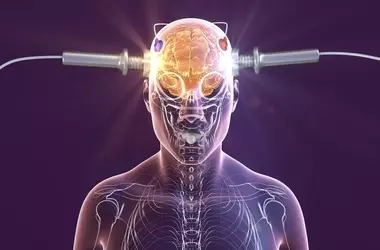
Families Speak Out on the Harms of ECT: A Call for Reassessment
A new study reveals that the majority of relatives and friends of individuals who have undergone Electroconvulsive Therapy (ECT) report a significant decline in their loved ones' overall quality of life. The research highlights prevalent memory loss, cognitive issues, and a general lack of improvement in symptoms, prompting concerns about the efficacy and informed consent practices surrounding ECT.
 Apr 30, 2026
Subtle Everyday Changes May Signal Early Alzheimer's Risk
New research suggests that persistent, subtle difficulties in daily tasks could be an early indicator of Alzheimer's disease, surfacing years before memory loss typically occurs. These functional changes, often overlooked, are linked to biological markers of the disease and warrant closer attention from families and healthcare providers. Recognizing these patterns early can lead to timely interventions and improved management of cognitive health in older adults.
 Apr 29, 2026
Tabletop RPGs Boost Self-Concept: A 'Drama Therapy in the Wild' for Identity Growth
A new study reveals that engaging with fictional characters in tabletop role-playing games can significantly enhance players' real-world self-identity. This research suggests that such games, akin to "drama therapy in the wild," offer an effective method for fostering self-esteem and navigating personal challenges, especially within supportive gaming communities. The findings highlight the therapeutic potential of these interactive experiences for psychological development.
 Apr 29, 2026
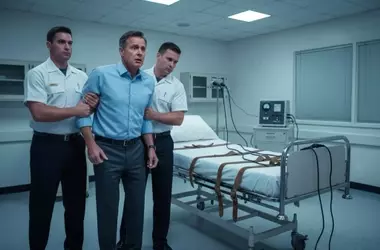
A Patient's Ordeal: From Altitude Sickness to Near Electroshock Therapy
This article recounts the harrowing journey of a 72-year-old man, 'John,' whose initial anxiety from altitude sickness led to a misdiagnosis of psychiatric disorders and a cascade of inappropriate drug prescriptions. Despite worsening symptoms, including severe withdrawal effects, medical professionals repeatedly escalated treatment, culminating in a recommendation for electroconvulsive therapy (ECT). The narrative highlights the systemic failures in psychiatric care, emphasizing the critical need for thorough patient history-taking and a cautious approach to psychotropic medications.
Apr 29, 2026Families Reveal the Devastating Impact of Electroconvulsive Therapy
A recent study highlights the profound negative consequences of Electroconvulsive Therapy (ECT) on patients and their families. Relatives reported a significant decrease in overall quality of life, memory loss, and a worsening of symptoms post-treatment. The research underscores concerns about efficacy, informed consent, and the emotional distress experienced by those witnessing the changes in their loved ones.
 Apr 29, 2026
ADHD Medication's Unexpected Role in Psychosis Prevention
A groundbreaking study conducted in Finland, involving nearly 700,000 individuals, reveals that stimulant medication for ADHD, specifically methylphenidate, when initiated before age 13, might significantly reduce the long-term risk of developing psychotic disorders like schizophrenia. This challenges previous concerns about the medication's potential to induce psychosis and suggests a protective developmental window during childhood. The research provides crucial insights for families and clinicians regarding ADHD treatment decisions.