 Breaking News & Live Updates
- Breaking News & Live Updates
- Breaking News & Live Updates
- Breaking News & Live Updates
- Breaking News & Live Updates
- Breaking News & Live Updates
- Breaking News & Live Updates
- Breaking News & Live Updates
- Breaking News & Live Updates
- Breaking News & Live Updates
ADHD and Early Perimenopausal Symptoms in Women
New research reveals a significant correlation between Attention-Deficit/Hyperactivity Disorder (ADHD) in women and the onset and severity of perimenopausal symptoms. Women diagnosed with ADHD are nearly twice as likely to encounter these symptoms, such as anxiety, mood swings, irritability, and physical discomforts like hot flashes, at an earlier age, often between 35 and 39 years old, contrasting with the typical onset around 45 for women without ADHD.
Several factors contribute to this heightened susceptibility. Chronic stress, frequently associated with living with ADHD, including elevated anxiety levels and socioeconomic challenges, appears to be a primary driver. Additionally, a crucial interplay exists between estrogen and ADHD symptomatology; declining estrogen levels during perimenopause can intensify ADHD symptoms, leading to a compounding effect of both conditions. The study also noted a higher prevalence of PTSD among women with ADHD, further exacerbating perimenopausal experiences, although mitigating PTSD symptoms can alleviate some of these difficulties.
Understanding these connections is vital for improving the well-being of women with ADHD. By developing targeted interventions that address chronic stress and inflammatory responses, healthcare providers can offer more effective support during this critical life stage. This comprehensive approach acknowledges the multifaceted challenges faced by women with ADHD and strives to enhance their quality of life, ensuring they receive the care and understanding they deserve.
This research underscores the importance of a holistic perspective in women's health, recognizing that neurodevelopmental conditions like ADHD can profoundly influence various physiological and psychological transitions throughout life. Advocating for early diagnosis, personalized treatment plans, and continuous support systems can empower women with ADHD to navigate perimenopause with greater resilience and improved overall health outcomes. Embracing this knowledge allows us to foster a more inclusive and empathetic healthcare environment, ensuring every individual receives optimal care tailored to their unique needs.
Other Articles
 Feb 07, 2026
The "6-7 Dating Trend": A New Perspective on Relationships
The "6-7 dating trend" on social media suggests pursuing partners rated 6 or 7 in attractiveness and excitement, rather than a perfect 10, believing they will be more stable and emotionally available. While it encourages a deeper look beyond superficial qualities and can reset relationship expectations, it oversimplifies human complexity and risks fostering resentment. Instead, individuals should redefine what a "10" means to them, focusing on intrinsic qualities and mutual compatibility rather than arbitrary ratings.
 Feb 06, 2026
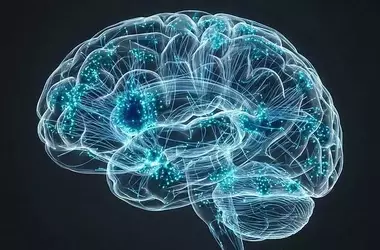
Mapping the Brain's Intelligence Architecture
A new study reveals that human intelligence stems from the brain's global network architecture, not isolated regions. Researchers utilized data from the Human Connectome Project, combining structural and functional MRI to map brain connections. The findings, published in Nature Communications, indicate that intelligence is predicted by efficient communication pathways across the entire brain, particularly through 'weak ties' and 'modal control' regions. This research shifts the focus from localized brain functions to a holistic understanding of cognitive ability and could influence AI development.
 Feb 04, 2026
High-Salt Diet's Impact on Gut Microbiome, Brain, and Cognition
New research indicates that excessive salt intake can disturb the gut's bacterial balance, leading to changes in brain gene expression and cognitive decline. Published in the European Journal of Pharmacology, the study reveals how a high-salt diet in mice triggers neuroinflammation and memory deficits by altering the gut microbiome, highlighting the intricate connection between diet, gut health, and brain function.
 Feb 03, 2026
The Impact of Dog Size on Trainability and Behavior
A 2025 ELTE study involving 5,000 dogs from 48 breeds revealed a strong correlation between a dog's size and its trainability and behavior. Smaller dogs are often perceived as less trainable, exhibiting more undesirable behaviors such as fear and hyperactivity. However, the study suggests that owner behavior, including inconsistent training and over-indulgence, significantly contributes to these issues, highlighting the need for a tailored approach to training based on canine size.
 Feb 02, 2026
The Profound Impact of Play on Animal Well-being
Investigating how play behaviors mirror an animal's emotional state, Amelia St John Wallis's research highlights play's critical role in animal welfare. From revealing discomfort in calves to fostering resilience, this study suggests that integrating diverse play opportunities can significantly enrich the lives of captive animals, promoting adaptability and positive cognitive biases against environmental challenges. It underscores the multifaceted nature of play as both an indicator and a contributor to overall well-being.
 Feb 02, 2026
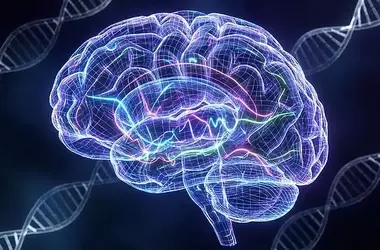
Age-Related Brain Connectivity Shifts in Intelligence
New research published in Scientific Reports indicates that the neural pathways connecting genetic predispositions to general intelligence dynamically change with age. The study, utilizing EEG to measure brain activity, reveals that in young adults, intelligence correlates with frontal and parietal lobe activity in beta and theta frequency bands. Conversely, older adults show correlations in lower alpha and theta bands, shifting to sensory processing regions. This suggests a neural reorganization process as individuals age.