 Breaking News & Live Updates
- Breaking News & Live Updates
- Breaking News & Live Updates
- Breaking News & Live Updates
- Breaking News & Live Updates
- Breaking News & Live Updates
- Breaking News & Live Updates
- Breaking News & Live Updates
- Breaking News & Live Updates
- Breaking News & Live Updates
The Profound Impact of Play on Animal Well-being
Understanding the emotional landscape of animals, particularly those in captivity, presents a unique challenge, as many species instinctively conceal vulnerabilities. University of Bristol doctoral candidate Amelia St John Wallis is spearheading research into how various forms of play—including physical activity, social interaction, and object engagement—can offer critical insights into an animal's feelings. Drawing parallels from human psychology, her work aims to apply principles of positive psychology and mental health to enhance the welfare of confined animals.
A compelling study involving dairy calves illustrated play's indicative power. Observations before and after horn disbudding, a procedure known to cause discomfort, revealed a cessation of play-fighting for a week post-operation. This specific decline in an activity involving head-to-head contact strongly suggested pain or fear of exacerbating the injury. Interestingly, other forms of play, such as running, either increased or remained unaffected, suggesting a complex interplay between different play types and an animal's coping mechanisms or innate drives. This differential impact on various play behaviors underscores the nuanced nature of animal emotional responses and the potential of play as a diagnostic tool.
Beyond merely signaling an animal's state, play actively contributes to its overall well-being. St John Wallis's research further explores play's role in developing flexibility and resilience, mirroring its known benefits in human development. Her model, integrating theories like "training for the unexpected" and the "broaden-and-build" theory of positive emotions, posits that play equips animals with the ability to adapt to changes and challenges. By fostering positive emotional states and cognitive biases, play can enable captive animals to navigate stressful situations more effectively, leading to improved long-term welfare. This suggests that providing ample opportunities for play, through suitable objects, social partners, and adequate space, is not just an enrichment activity but a fundamental component of humane animal care, with ongoing research aiming to tailor play interventions for diverse captive species.
Embracing and encouraging play in animal environments moves us closer to a more compassionate understanding and treatment of captive creatures. By fostering conditions where animals can engage in natural, joyful behaviors, we not only improve their immediate comfort but also empower them with the resilience needed to thrive amidst the inherent challenges of their circumstances. This commitment to animal welfare reflects a broader dedication to nurturing life and promoting thriving ecosystems, highlighting the intrinsic value of every living being.
Other Articles
 Feb 02, 2026
Age-Related Brain Connectivity Shifts in Intelligence
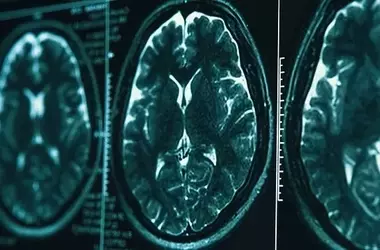
New research published in Scientific Reports indicates that the neural pathways connecting genetic predispositions to general intelligence dynamically change with age. The study, utilizing EEG to measure brain activity, reveals that in young adults, intelligence correlates with frontal and parietal lobe activity in beta and theta frequency bands. Conversely, older adults show correlations in lower alpha and theta bands, shifting to sensory processing regions. This suggests a neural reorganization process as individuals age.
 Feb 02, 2026
New Brain Activity Maps Challenge Century-Old Anatomical Boundaries
Groundbreaking research using electrical signals from thousands of neurons in mice reveals that the brain's command center organizes itself by information flow, not physical structure. This challenges the traditional century-old method of mapping the brain based on tissue appearance under a microscope. The findings suggest that neuronal firing patterns, characterized by rate, burstiness, and memory, define functional regions, offering a new perspective on brain organization and potential insights into neurological disorders.
 Jan 29, 2026
The Power of Conversation in Shaping Our Perception of Reality
This article explores how conversations with others, particularly those we are close to, play a crucial role in validating our experiences and shaping our sense of objective reality. Drawing on research, it highlights that shared dialogue, even on mundane topics, fosters a 'shared reality' that enhances authenticity and well-being. The studies demonstrate that this sense of shared understanding helps individuals feel more grounded and less anxious, emphasizing the therapeutic power of human connection.
 Jan 28, 2026
Reframing the Political Gender Gap
A new study reveals that presenting the political gender gap as an 'overrepresentation of men' rather than an 'underrepresentation of women' evokes stronger emotional responses and motivates greater action for change. This reframing, as found by social psychologists at New York University, highlights perceived injustice and encourages women to actively support policies aimed at achieving gender parity in political leadership.
 Jan 26, 2026
The Unexpected Impact of Mukbang Videos on Eating Disorder Symptoms
A recent study from the University of Melbourne challenges previous assumptions about Mukbang videos. Contrary to earlier correlational findings suggesting a link to increased eating disorder symptoms and negative mood, this experiment revealed an unexpected decrease in disordered eating urges among participants after watching a 10-minute Mukbang. While positive mood also saw a decline, negative mood and body image remained unchanged, prompting a re-evaluation of the immediate effects of Mukbang consumption.
 Jan 25, 2026
AI Identifies Brain Patterns to Predict Antidepressant Success
New research introduces a machine learning model capable of forecasting the effectiveness of antidepressant medication for depression patients. By analyzing unique brain activity patterns through EEG, the system achieves high accuracy in predicting treatment outcomes before medication begins. This breakthrough promises a more personalized approach to mental health care, moving away from traditional trial-and-error methods.