 Breaking News & Live Updates
- Breaking News & Live Updates
- Breaking News & Live Updates
- Breaking News & Live Updates
- Breaking News & Live Updates
- Breaking News & Live Updates
- Breaking News & Live Updates
- Breaking News & Live Updates
- Breaking News & Live Updates
- Breaking News & Live Updates
What Is a Chronic Disease? A Technical and Clinical Overview

A chronic disease is defined by most health organizations as a physical or mental condition that lasts for one year or more and requires ongoing medical attention or limits activities of daily living, or both. Unlike acute conditions, which are typically characterized by a sudden onset and a brief duration, chronic diseases are marked by their persistence and the gradual progression of physiological changes. This article provides a neutral, evidence-based exploration of the chronic disease landscape. It details the biological distinction between acute and chronic states, the cellular and systemic mechanisms of long-term disease progression, the objective global impact of these conditions, and the frameworks used for clinical management. The following sections follow a structured trajectory: defining the parameters of chronicity, explaining the core mechanisms of physiological adaptation, presenting a comprehensive view of global health metrics, and concluding with a technical inquiry section to clarify common questions regarding long-term health management.

1. Basic Conceptual Analysis: Parameters of Chronicity
To analyze the nature of chronic disease, one must first establish the clinical and temporal markers that distinguish it from other forms of illness.
The Temporal Threshold
The primary criterion for a chronic designation is duration. While the U.S. Centers for Disease Control and Prevention (CDC) uses the one-year threshold, many clinical frameworks recognize a condition as chronic if it persists beyond the expected healing time or longer than three to six months.
Characteristic Features
Chronic diseases generally share several objective characteristics:
- Complex Etiology: They are rarely caused by a single factor; instead, they result from a combination of genetic, physiological, environmental, and behavioral influences.
- Non-Contagious Nature: Most chronic diseases are non-communicable, meaning they do not spread through direct contact or biological vectors.
- Partial Functional Loss: They often lead to a gradual reduction in the "physiological reserve" of an organ system, such as reduced lung capacity or impaired glucose clearance.
The Global Burden
According to the World Health Organization (WHO), non-communicable chronic diseases account for approximately 74% of all worldwide mortality annually. The most common categories include cardiovascular diseases, metabolic conditions (such as diabetes), chronic respiratory diseases, and neurodegenerative disorders.
2. Core Mechanisms: Physiological Adaptation and Progression
The transition from a healthy state to a chronic disease state involves complex cellular and systemic mechanisms that shift the body's baseline.
Chronic Inflammation and Oxidative Stress
A common biological thread in many chronic conditions is low-grade chronic inflammation. Unlike the acute inflammation that in wound healing, chronic inflammation is a persistent, maladaptive response.
- Mechanism: The immune system remains in a state of mild activation, continuously releasing pro-inflammatory cytokines. This leads to oxidative stress, where an imbalance of reactive oxygen species (ROS) causes structural damage to DNA, proteins, and lipids.
The Concept of Allostatic Load
Chronic disease can be viewed as the result of a high allostatic load—the cumulative wear and tear on the body due to chronic over-activation of the systems that respond to internal or external stressors.
- Homeostatic Shift: The body attempts to compensate for a malfunction (e.g., the heart pumping harder to overcome stiffened arteries).
- Systemic Failure: Over time, these compensatory mechanisms become the primary driver of further damage, leading to a new, pathological baseline.
Pathological Remodeling
In many chronic conditions, the physical structure of tissues changes—a process known as remodeling.
- Fibrosis: In chronic liver or kidney disease, healthy functional tissue is replaced by non-functional fibrous connective tissue (scar tissue).
- Vascular Stiffening: In chronic cardiovascular conditions, the elastin in vessel walls is replaced by collagen and calcium deposits, increasing arterial resistance.
3. Presenting the Full Picture: Objective Clinical Discussion
The management of chronic disease focuses on "stabilization" and "mitigation" rather than a singular "cure," as the underlying structural changes are often permanent.
Comparative Overview of Common Chronic Disease Categories
| Category | Primary Physiological Marker | Underlying Mechanism |
| Cardiovascular | Hypertension / Atherosclerosis | Plaque accumulation and vascular stiffening |
| Metabolic | Hyperglycemia / Insulin resistance | Failure of cellular glucose uptake |
| Respiratory | Reduced $FEV_1$ (Lung function) | Airway obstruction and alveolar damage |
| Musculoskeletal | Joint space narrowing | Degradation of articular cartilage |
| Neurological | Beta-amyloid plaques / Nerve loss | Protein misfolding and synaptic failure |
Data on Economic and Systemic Impact
Research from the Consumer Healthcare Products Association (CHPA) and the CDC indicates that chronic diseases are the primary drivers of healthcare expenditures. For example, individuals with multiple chronic conditions account for a disproportionate percentage of clinical visits and hospitalizations.
Objective Principles of Management
Clinical frameworks for chronic disease management generally prioritize the following:
- Continuity of Care: Regular monitoring to prevent "exacerbations" (sudden worsening of symptoms).
- Self-Management Support: Education regarding the technical aspects of the condition, such as monitoring blood glucose levels or peak flow measurements.
- Secondary Prevention: Interventions aimed at slowing the progression of the disease and preventing the involvement of other organ systems.
4. Summary and Future Outlook: Precision Medicine and Monitoring
The landscape of chronic disease management is evolving from reactive treatment to proactive, data-driven stabilization.
Future Directions in Research:
- Digital Biomarkers: Utilizing wearable technology to continuously track heart rate variability, oxygen saturation, and gait stability to predict flares in chronic conditions before they manifest clinically.
- Pharmacogenomics: Understanding how an individual's genetic profile influences their response to long-term medication, allowing for "precision dosing" that minimizes side effects.
- Regenerative Medicine: Research into using stem cells to repair the fibrotic tissue in chronic organ disease, potentially reversing some aspects of structural remodeling.
- Geroscience: Investigating the "hallmarks of aging" to address the root biological causes of many chronic conditions simultaneously, rather than treating them as separate entities.
5. Q&A: Clarifying Common Technical Inquiries
Q: Can a chronic disease be "reversed"?
A: This depends on the specific condition and the stage of progression. While some metabolic conditions can be put into "remission" through significant physiological changes, many chronic diseases involve permanent structural changes (like scar tissue in the lungs or kidneys) that cannot be fully reversed. The goal is typically management and the prevention of further decline.
Q: What is the difference between a "chronic" disease and a "terminal" disease?
A: A chronic disease is one that persists for a long duration; many individuals live for decades with managed chronic conditions. A terminal disease is one that is expected to result in the conclusion of life within a short, predictable timeframe. While some chronic diseases may eventually become terminal, they are not synonymous.
Q: Why are chronic diseases more common in older populations?
A: Aging involves a natural decline in cellular repair mechanisms and the accumulation of allostatic load. Over decades, the body is less able to counteract the effects of inflammation and oxidative stress, making the manifestation of a chronic condition more statistically probable.
Q: Does "management" mean taking medication forever?
A: Not necessarily for every individual, but frequently yes. Because the underlying mechanism (such as the inability to produce insulin or regulate blood pressure) is often impaired, the body may require continuous external modulation to maintain a safe physiological range.
Q: How does the "environment" contribute to chronic disease?
A: Factors such as air quality, the availability of nutrient-dense food, and the presence of noise or light pollution act as external stressors. Constant exposure to these factors can trigger the body’s stress responses, contributing to the allostatic load that eventually leads to a chronic state.
This article provides informational content regarding the scientific and clinical aspects of chronic diseases. For individualized medical advice, diagnostic assessment, or the development of a long-term health management plan, consultation with a licensed healthcare professional or a board-certified specialist is essential.

Other Articles
 Dec 25, 2025
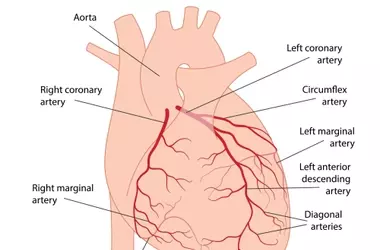
Understanding Coronary Artery Disease: A Comprehensive Scientific Overview
Human health is intricately tied to the efficient circulation of blood, which delivers oxygen and nutrients to every organ. At the center of this system is the heart, which requires its own dedicated blood supply to function.Coronary Artery Disease (CAD), also known as ischemic heart disease, occurs when the major blood vessels that supply the heart—the coronary arteries—become damaged or diseased, typically due to the buildup of plaque. This condition is a leading cause of cardiovascular events globally. This article provides a neutral, science-based exploration of the condition. The discussion begins with the fundamental anatomy of the heart's blood supply, details the biological progression of arterial narrowing, presents an objective overview of management modalities, and outlines current global data. By navigating from basic physiological concepts to a practical Q&A, this resource serves as an informative guide for understanding the mechanisms and implications of heart health.
 By Sakura Watanabe
 Dec 25, 2025
Understanding Attention-Deficit/Hyperactivity Disorder: A Scientific Perspective
The human brain manages a complex array of functions ranging from physical movement to the intricate regulation of attention and impulse. When these regulatory systems operate differently from the statistical norm, it can result in a condition known asAttention-Deficit/Hyperactivity Disorder (ADHD). ADHD is a neurodevelopmental disorder characterized by persistent patterns of inattention, hyperactivity, and impulsivity that interfere with daily functioning or development. This article provides a neutral, science-based exploration of the condition, moving beyond social stigmas to examine the biological and clinical realities. The discussion will clarify the three primary presentations of ADHD, detail the neurological mechanisms involving dopamine and the prefrontal cortex, present an objective overview of management modalities, and outline current global data. By following this structured path from basic concepts to practical Q&A, this resource serves as an informative guide for understanding how neurodiversity impacts human behavior.
 By Dr. Aisha Rahman
 Dec 25, 2025
Understanding Diabetes Mellitus: A Comprehensive Biological and Clinical Overview
The maintenance of energy balance is a fundamental requirement for the survival of the human body. At the center of this process is glucose, a simple sugar that serves as the primary fuel for cells.Diabetes Mellitus, commonly referred to as diabetes, is a chronic metabolic disorder characterized by elevated levels of blood glucose (hyperglycemia) resulting from defects in insulin secretion, insulin action, or both. When the body cannot effectively move sugar from the blood into the cells, it leads to systemic complications affecting the heart, kidneys, eyes, and nerves. This article provides an objective, science-based exploration of the condition. The discussion begins with the classification of different types of diabetes, explores the biological "lock and key" mechanism of insulin, presents an overview of clinical management strategies, and discusses the global impact and future research directions. By transitioning from basic cellular biology to practical Q&A, this resource serves as an informative guide for understanding this complex metabolic challenge.
 By Dr. Chen Wei