 Breaking News & Live Updates
- Breaking News & Live Updates
- Breaking News & Live Updates
- Breaking News & Live Updates
- Breaking News & Live Updates
- Breaking News & Live Updates
- Breaking News & Live Updates
- Breaking News & Live Updates
- Breaking News & Live Updates
- Breaking News & Live Updates
Understanding Coronary Artery Disease: A Comprehensive Scientific Overview

Human health is intricately tied to the efficient circulation of blood, which delivers oxygen and nutrients to every organ. At the center of this system is the heart, which requires its own dedicated blood supply to function. Coronary Artery Disease (CAD), also known as ischemic heart disease, occurs when the major blood vessels that supply the heart—the coronary arteries—become damaged or diseased, typically due to the buildup of plaque. This condition is a leading cause of cardiovascular events globally. This article provides a neutral, science-based exploration of the condition. The discussion begins with the fundamental anatomy of the heart's blood supply, details the biological progression of arterial narrowing, presents an objective overview of management modalities, and outlines current global data. By navigating from basic physiological concepts to a practical Q&A, this resource serves as an informative guide for understanding the mechanisms and implications of heart health.
Foundational Concepts: The Heart's Supply Line
To understand CAD, one must look at the coronary arteries. These are the vessels that wrap around the exterior of the heart, acting as "fuel lines" for the cardiac muscle.
The condition is characterized by a gradual process that can be classified into several clinical stages:
- Stable Plaque Accumulation: A slow buildup that may not cause symptoms during rest but might result in discomfort during physical exertion.
- Unstable Plaque: A condition where the buildup becomes fragile, increasing the risk of a sudden rupture.
- Acute Coronary Syndrome (ACS): A range of conditions associated with sudden, reduced blood flow to the heart, including unstable angina and myocardial infarction (heart attack).
Professional consultation in this field involves cardiologists and vascular specialists who use diagnostic tools such as Electrocardiograms (ECG), stress tests, and coronary angiograms to assess the degree of arterial obstruction.
Core Mechanisms: The Development of Atherosclerosis
The primary biological driver of CAD is a process called atherosclerosis. This is not a sudden event but a progression that often spans decades.
1. Endothelial Injury and Inflammation
- The Mechanism: The inner lining of the artery (the endothelium) becomes damaged due to factors like high blood pressure,or elevated cholesterol.
- The Result: The body triggers an inflammatory response. White blood cells and fats (lipids) begin to collect at the site of the injury.
2. Plaque Formation and Hardening
- The Mechanism: Over time, these deposits turn into a waxy substance called plaque. As the body attempts to heal, calcium is often deposited into the plaque, making the artery stiff and narrow.
- The Result: The internal diameter of the artery decreases, a state known as stenosis. This limits the volume of oxygen-rich blood that can reach the heart muscle.
3. Ischemia and Oxygen Mismatch
- The Mechanism: Ischemia occurs when the demand for oxygen by the heart exceeds the supply provided by the narrowed arteries.
- The Result: This imbalance often manifests as "angina" (chest pain). If an artery becomes completely blocked—often by a blood clot forming over a ruptured plaque—the lack of oxygen causes tissue deaths, leading to a heart attack.
The Clinical Landscape: Management and Comparison
Management of CAD is focused on stabilizing existing plaque, preventing further buildup, and restoring blood flow when necessary.
Comparison of Intervention Strategies
| Approach | Primary Mechanism | Focus Area | Typical Application |
| Lifestyle Modification | Risk factor reduction | Diet, exercise cessation | All stages of CAD |
| Pharmacotherapy | Chemical regulation | Statins, beta-blockers, aspirin | Prevention and stabilization |
| Angioplasty (PCI) | Mechanical widening | Balloon and stent insertion | Significant blockages |
| Bypass Surgery (CABG) | Rerouting blood flow | Grafting healthy vessels | Complex or multiple blockages |
Standard Diagnostic and Safety Protocols
- Risk Assessment: Clinical standards involve evaluating a "lipid profile" (cholesterol levels) and monitoring blood pressure as primary indicators of risk.
- The "Golden Hour": In acute cases where an artery is blocked, scientific data emphasizes that restoring blood flow within the first 60 to 90 minutes is critical to minimizing permanent heart muscle damage.
Objective Discussion and Evidence
Scientific research on CAD highlights its status as a significant global health challenge while documenting the efficacy of modern interventions.
- Global Mortality Data: According to the World Health Organization (WHO), ischemic heart disease is the world’s biggest killer, responsible for approximately 16% of the world’s total deaths.
- The Impact of Prevention: Research published in The Lancet suggests that a vast majority of cardiovascular disease cases are preventable through the management of modifiable risk factors such as hypertension, obesity.
- The Role of Genetics: While lifestyle is a major factor, objective studies indicate that genetics can account for a significant portion of the risk, particularly in "early-onset" cases where heart disease appears before age 55 in men or 65 in women.
- Diagnostic Accuracy: Meta-analyses of diagnostic tools show that while non-invasive tests (like stress echoes) are highly useful for screening, the "Gold Standard" for definitive mapping of the arteries remains the invasive coronary angiogram.
Summary and Future Outlook
The field of cardiology is moving toward molecular-level treatments and less invasive surgical techniques.
Future developments include:
- Bio-resorbable Stents: Stents that provide mechanical support to the artery and then gradually dissolve after the vessel has healed, leaving no permanent foreign object in the body.
- Gene Silencing (RNA Therapy): New medications designed to "switch off" genes responsible for producing high levels of LDL (bad) cholesterol, potentially requiring only twice-yearly injections.
- AI-Enhanced Imaging: Utilizing artificial intelligence to analyze CT scans and predict which plaques are most likely to rupture before a heart attack occurs.
- 3D Bio-printing: Long-term research into printing heart valves or even patches of heart muscle using an individual’s own cells to repair damage caused by CAD.
Common Questions and Answers
Q: Is chest pain always a sign of Coronary Artery Disease?
A: No. Chest pain can be caused by many issues, including acid reflux, muscle strain, or anxiety. However, "cardiac" chest pain is typically described as a feeling of pressure or squeezing that may radiate to the jaw, neck, or left arm, especially during physical activity.
Q: Can plaque be completely removed from the arteries?
A: While lifestyle changes and medications can stabilize plaque and slightly shrink it, it is generally not "removed" like a blockage in a pipe. Medical interventions like stents push the plaque against the walls to open the channel, and bypass surgery creates a new route around it.
Q: Is CAD only a concern for older men?
A: This is a common misconception. While risk increases with age, CAD is also the leading cause of deaths for women. Women often present with different symptoms, such as extreme fatigue, nausea, or back pain, rather than the classic "crushing" chest pain.
Q: Does a "Normal" ECG mean there is no CAD?
A: Not necessarily. A resting ECG only shows the heart's electrical activity at that specific moment. If the arteries are narrowed but the heart is not under stress, the ECG may appear normal. Stress tests or imaging are often required for a more accurate assessment.
References
- https://www.heart.org/en/health-topics/consumer-healthcare/what-is-cardiovascular-disease/coronary-artery-disease
- https://www.ncbi.nlm.nih.gov/pmc/articles/PMC2730663/
- https://pubmed.ncbi.nlm.nih.gov/31411537/
- https://www.mayoclinic.org/diseases-conditions/coronary-artery-disease/symptoms-causes/syc-20350613

Other Articles
 Dec 25, 2025
Understanding Attention-Deficit/Hyperactivity Disorder: A Scientific Perspective
The human brain manages a complex array of functions ranging from physical movement to the intricate regulation of attention and impulse. When these regulatory systems operate differently from the statistical norm, it can result in a condition known asAttention-Deficit/Hyperactivity Disorder (ADHD). ADHD is a neurodevelopmental disorder characterized by persistent patterns of inattention, hyperactivity, and impulsivity that interfere with daily functioning or development. This article provides a neutral, science-based exploration of the condition, moving beyond social stigmas to examine the biological and clinical realities. The discussion will clarify the three primary presentations of ADHD, detail the neurological mechanisms involving dopamine and the prefrontal cortex, present an objective overview of management modalities, and outline current global data. By following this structured path from basic concepts to practical Q&A, this resource serves as an informative guide for understanding how neurodiversity impacts human behavior.
 By Dr. Aisha Rahman
 Dec 25, 2025
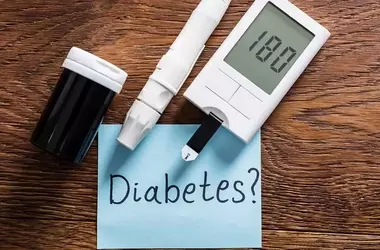
Understanding Diabetes Mellitus: A Comprehensive Biological and Clinical Overview
The maintenance of energy balance is a fundamental requirement for the survival of the human body. At the center of this process is glucose, a simple sugar that serves as the primary fuel for cells.Diabetes Mellitus, commonly referred to as diabetes, is a chronic metabolic disorder characterized by elevated levels of blood glucose (hyperglycemia) resulting from defects in insulin secretion, insulin action, or both. When the body cannot effectively move sugar from the blood into the cells, it leads to systemic complications affecting the heart, kidneys, eyes, and nerves. This article provides an objective, science-based exploration of the condition. The discussion begins with the classification of different types of diabetes, explores the biological "lock and key" mechanism of insulin, presents an overview of clinical management strategies, and discusses the global impact and future research directions. By transitioning from basic cellular biology to practical Q&A, this resource serves as an informative guide for understanding this complex metabolic challenge.
 By Dr. Chen Wei
 Dec 25, 2025
Understanding Insulin Resistance: A Physiological and Biochemical Overview
Insulin resistance is a physiological condition in which the body's cells—specifically those in the muscles, fat, and liver—exhibit a diminished response to the hormone insulin. Because these cells cannot efficiently absorb glucose from the bloodstream, the pancreas compensates by producing higher levels of insulin to maintain glycemic control. This article provides a neutral, evidence-based exploration of insulin resistance, detailing its molecular foundations, the systemic mechanisms that drive its progression, and its role within the broader context of metabolic health. The following sections follow a structured trajectory: defining foundational concepts, explaining the cellular signaling pathways, evaluating the systemic impact through objective clinical data, and concluding with a technical inquiry section to clarify common metabolic questions.
 By Kwame Boateng