 Breaking News & Live Updates
- Breaking News & Live Updates
- Breaking News & Live Updates
- Breaking News & Live Updates
- Breaking News & Live Updates
- Breaking News & Live Updates
- Breaking News & Live Updates
- Breaking News & Live Updates
- Breaking News & Live Updates
- Breaking News & Live Updates
Understanding Alzheimer’s Disease: A Comprehensive Scientific Overview

Alzheimer’s disease is a progressive neurological disorder that leads to the atrophy (shrinking) of the brain and the gradual deaths of brain cells. It is the most common cause of dementia—a continuous decline in thinking, behavioral, and social skills that affects a person's ability to function independently. This article provides a neutral, evidence-based exploration of the condition, aimed at clarifying its biological foundations and the current medical landscape. The following sections will define the basic characteristics of the disease, explain the microscopic changes occurring within the brain, present the clinical stages and management strategies, and conclude with a look toward future research. By examining these areas, the objective is to provide a clear understanding of the challenges posed by this condition and the scientific efforts directed toward managing it.
Basic Concepts and Classification
Alzheimer’s disease is distinguished from normal age-related memory loss by the severity and persistence of its symptoms. It is categorized primarily by the timing of onset and the progression of cognitive decline.
- Late-onset Alzheimer’s: This is the most common form, typically affecting individuals aged 65 and older. While the exact cause is unknown, it is believed to involve a combination of genetic, lifestyle, and environmental factors.
- Early-onset Alzheimer’s: This rarer form occurs between a person's 30s and mid-60s. Many cases are linked to specific genetic mutations that are passed down through families.
- Mild Cognitive Impairment (MCI): This is often considered an intermediate stage where an individual has more memory or thinking problems than normal for their age, but the symptoms do not yet interfere with daily life.
The progression is generally measured across three broad stages: Mild (Early-stage), Moderate (Middle-stage), and Severe (Late-stage). Each stage reflects the extent of damage to the brain's cerebral cortex.
Core Mechanisms: The Biological Breakdown
The biological "hallmarks" of Alzheimer’s disease involve the accumulation of specific proteins that disrupt communication between neurons (nerve cells).
1. Amyloid Plaques
In a healthy brain, protein fragments called beta-amyloid are broken down and eliminated. In a brain with Alzheimer’s, these fragments accumulate into hard, insoluble plaques between neurons. These plaques block the signaling pathways at synapses, preventing information from traveling from one cell to another.
2. Tau Tangles
Neurons have an internal support system made of structures called microtubules. A protein called tau helps stabilize these tubes. In Alzheimer's, tau proteins change shape and organize themselves into structures called neurofibrillary tangles. These tangles destroy the cell's transport system, leading to cell deaths.
3. Loss of Connectivity and Atrophy
As neurons die, the brain begins to shrink. The first areas affected are usually the entorhinal cortex and hippocampus, which are essential for forming memories. Over time, the damage spreads to the parts of the brain responsible for language, reasoning, and social behavior.
Presentation of the Clinical and Management Landscape
While there is currently no cure for Alzheimer’s, the medical landscape focuses on managing symptoms and improving the quality of life for both the individual and their caregivers.
Comparison of Common Management Approaches
| Category | Typical Method | Primary Objective |
| Cholinesterase Inhibitors | Oral Medication | Boost levels of cell-to-cell communication chemicals |
| NMDA Receptor Antagonists | Oral Medication | Protect brain cells from excess glutamate (a chemical messenger) |
| Monoclonal Antibodies | Intravenous Infusion | Target and remove beta-amyloid plaques from the brain |
| Behavioral Interventions | Environmental Adjustment | Reduce confusion and promote safety in daily living |
The Diagnostic Pathway
- Clinical Evaluation: Doctors perform cognitive tests to assess memory, problem-solving, and language skills.
- Biomarker Testing: Brain scans (MRI or PET) and cerebrospinal fluid analysis can detect the presence of amyloid and tau proteins.
- Rule-Out Diagnosis: Blood tests are conducted to ensure symptoms are not caused by other treatable conditions, such as vitamin deficiencies or thyroid issues.
Objective Discussion and Evidence
The study of Alzheimer’s disease involves significant statistical data that highlights both the progress made and the work remaining.
- Prevalence Data: According to the World Health Organization (WHO), over 55 million people worldwide live with dementia, with Alzheimer’s contributing to 60–70% of those cases.
- Efficacy of Modern Treatments: Data suggests that while traditional medications can temporarily improve symptoms or slow the rate of decline, they do not stop the underlying disease process. Newer amyloid-targeting therapies have shown the ability to remove plaques in clinical trials, though their impact on slowing actual cognitive decline continues to be a subject of intense scientific study.
- Genetic Risk Factors: The presence of the APOE-ε4 gene is an objective risk factor, but it is not a guarantee that a person will develop the disease. Research indicates that lifestyle factors, such as cardiovascular health and physical activity, may influence the timing of symptom onset.
- Caregiver Burden: Statistics show that the majority of care for Alzheimer's patients is provided by family members, leading to significant economic and psychological impacts on the caregiving population.
Summary and Future Outlook
Research into Alzheimer’s disease is shifting toward earlier detection and multi-targeted therapies. The goal is to identify the disease years before symptoms appear, when the brain is still functioning at a high level.
Future developments include:
- Blood-Based Biomarkers: Developing simple blood tests that can detect Alzheimer’s proteins as accurately as expensive PET scans.
- Combination Therapies: Testing treatments that target amyloid, tau, and neuroinflammation simultaneously.
- Neuromodulation: Using non-invasive electrical or magnetic stimulation to improve the survival of remaining neurons.
Question and Answer Section
Q: Is Alzheimer’s disease inevitable with old age?
A: No. While age is the greatest risk factor, Alzheimer’s is a specific disease and not a normal part of the aging process. Many individuals live into their 90s and beyond without developing significant cognitive decline.
Q: Can mental exercises prevent Alzheimer’s?
A: Evidence suggests that "cognitive reserve"—the brain's ability to find alternative ways of doing things—can be built through lifelong learning and mental stimulation. While this may delay the appearance of symptoms, it does not prevent the underlying biological changes associated with the disease.
Q: How does Alzheimer’s differ from general dementia?
A: Dementia is an "umbrella term" for a set of symptoms (memory loss, confusion). Alzheimer’s is a specific disease that causes these symptoms, much like "heart disease" is a specific condition that falls under the umbrella of "illness."
Q: Are there environmental causes for the disease?
A: Research is ongoing into the links between air pollution, heavy metal exposure, and head injuries. While these are considered potential risk factors, they are not yet classified as direct causes for the majority of cases.
References
- https://www.who.int/news-room/fact-sheets/detail/dementia
- https://www.alz.org/alzheimers-dementia/what-is-alzheimers
- https://www.nia.nih.gov/health/alzheimers-causes-and-risk-factors/what-happens-brain-alzheimers-disease
- https://www.mayoclinic.org/diseases-conditions/alzheimers-disease/symptoms-causes/syc-20350447
- https://pubmed.ncbi.nlm.nih.gov/30616488/

Other Articles
 Dec 22, 2025
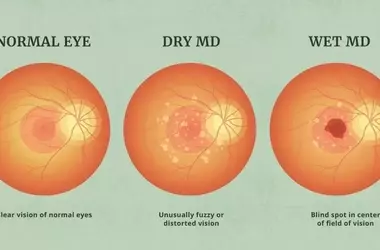
Understanding Macular Degeneration Treatment: A Comprehensive Clinical Overview
The macula is a small but vital area located at the center of the retina, responsible for sharp, detailed, and color vision. When the cells in this region become damaged or deteriorate—a condition often associated with aging known as Age-Related Macular Degeneration (AMD)—central vision can become blurred or lost. Macular disease treatment refers to a range of medical interventions designed to slow the progression of cell damage, stabilize vision, and in some cases, suppress the growth of abnormal blood vessels. This article provides a neutral, evidence-based exploration of the current therapeutic landscape. It will clarify the foundational biological causes of macular damage, explain the mechanisms of pharmacological and laser-based therapies, and provide an objective discussion of clinical outcomes. By navigating through the progression from diagnostic classification to future medical prospects, this overview aims to deliver a clear understanding of how these interventions function to preserve visual health.
 By Dr. Alejandro Ruiz
 Dec 22, 2025
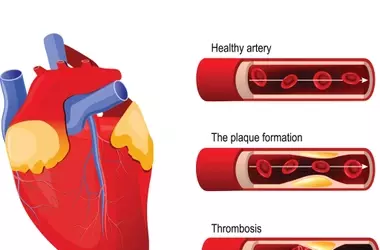
Understanding Coronary Heart Disease Treatment: A Comprehensive Clinical Overview
Coronary Heart Disease (CHD), also referred to as coronary artery disease, is a condition where the major blood vessels supplying the heart become damaged or diseased, usually due to the buildup of plaque. Treatment for coronary heart disease encompasses a spectrum of medical interventions—ranging from lifestyle modifications and pharmacological therapies to invasive surgical procedures—designed to restore adequate blood flow to the heart muscle and reduce the risk of secondary events like myocardial infarction (heart attack). This article provides a neutral, evidence-based examination of the current treatment landscape. It will clarify the foundational biological causes of arterial blockage, explain the mechanical and chemical mechanisms of various therapies, and provide an objective discussion of clinical outcomes. By following a structured path from basic concepts to future medical prospects, this overview aims to deliver a clear understanding of how these interventions function to manage cardiovascular health.
 By Dr. Laura Kim
 Dec 22, 2025
Understanding Aphasia Treatment: A Comprehensive Scientific Overview
Language is a fundamental tool for human connection, yet for millions of individuals, this ability is disrupted by a neurological condition known as aphasia. Aphasia is an acquired communication disorder that impairs a person's ability to process, produce, or understand speech and written language, typically resulting from damage to the brain's language-dominant hemisphere. Aphasia treatment refers to the systematic clinical interventions designed to restore linguistic function, develop compensatory communication strategies, and improve the social participation of affected individuals. This article provides a neutral, evidence-based examination of the therapeutic landscape, exploring the biological foundations of brain recovery, the specific methodologies used in speech-language pathology, and the current scientific data regarding recovery outcomes.
 By Dr. Maria Santos