 Breaking News & Live Updates
- Breaking News & Live Updates
- Breaking News & Live Updates
- Breaking News & Live Updates
- Breaking News & Live Updates
- Breaking News & Live Updates
- Breaking News & Live Updates
- Breaking News & Live Updates
- Breaking News & Live Updates
- Breaking News & Live Updates
Remembering Dr. Brent Dean Robbins: A Champion for Humanistic Psychology
The passing of Dr. Brent Dean Robbins on April 28, 2026, marks a significant loss for the field of humanistic psychology, where he stood as a leading voice and unwavering advocate. Dr. Robbins was distinguished by his profound critiques of the Diagnostic and Statistical Manual of Mental Disorders' (DSM) constrained interpretation of human suffering and the pervasive over-reliance on medication for emotional distress.
Dr. Robbins dedicated his career to upholding the inherent worth and dignity of individuals within psychological practice. His intellectual contributions laid an alternative philosophical groundwork for psychology, emphasizing a more holistic and person-centered approach. This commitment was also evident in his practical work, particularly through his leadership in establishing the APA-accredited PsyD program in clinical psychology at Point Park University, which uniquely focused on humanistic and community-based psychological principles. His impactful publications, including "The Medicalized Body and Anesthetic Culture: The Cadaver, The Memorial Body, and The Recovery of Lived Experience" and the co-edited "Drugging Our Children: How Profiteers Are Pushing Antipsychotics on Our Youngest, and What We Can Do to Stop It," further underscore his influence and dedication to these ideals.
Beyond his academic and professional achievements, Dr. Robbins was a cherished mentor and friend, notably introducing many to the influential work of Robert Whitaker and Mad in America. He remained a staunch supporter of Mad in America throughout his life, even featuring in an insightful interview on love, loss, and the future of psychology following his cancer diagnosis. In his remembrance, Dr. Robbins thoughtfully designated Mad in America as an organization worthy of support, reflecting his enduring commitment to its mission.
The enduring impact of Dr. Brent Dean Robbins' work reminds us of the profound difference one individual can make in promoting a more compassionate and humane understanding of the human experience. His legacy calls for a continued commitment to valuing human dignity, questioning conventional approaches, and tirelessly advocating for ethical and empathetic care within mental health. We honor his memory by striving for a future where psychological practice truly serves the complex needs and inherent worth of every person.
Other Articles
 May 01, 2026
Weight-Loss Drug Semaglutide Shows Promise in Reducing Heavy Alcohol Consumption
A recent clinical trial has demonstrated that semaglutide, a widely used weight-loss medication, significantly reduces heavy drinking in individuals with both obesity and alcohol use disorder. Published in The Lancet, these findings suggest a new therapeutic avenue for managing alcohol intake by targeting the brain's reward pathways and overall appetite regulation. This offers hope for millions struggling with alcohol use disorder, providing a potential alternative to existing treatments that are not universally effective.
 May 01, 2026
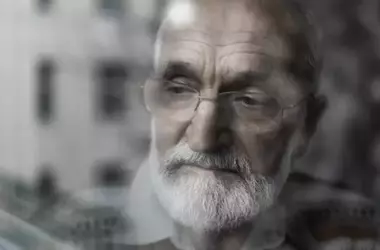
Remembering Brent Dean Robbins: A Champion of Humanistic Psychology
This article pays tribute to Brent Dean Robbins, a significant figure in humanistic psychology who passed away on April 28, 2026. He was known for his strong stance against the reductionist view of human suffering presented by the DSM and the over-medication of distress. Robbins dedicated his career to upholding human dignity in psychology, both through his academic work and the establishment of Point Park University's humanistic clinical psychology program. His legacy continues to influence the field and those he mentored.
 May 01, 2026
New Study Reveals Loneliness Accelerates Cognitive Decline in Older Adults
A recent study published in the Journal of Affective Disorders indicates that the onset of loneliness significantly speeds up cognitive decline in older individuals. Researchers analyzed long-term health records, finding that memory and thinking skills deteriorate more rapidly once a person begins to experience loneliness, emphasizing the crucial link between psychological well-being and brain health.
 May 01, 2026
From Anorexia to Faith: Kelsey Osgood's Transformative Journey
This interview with author Kelsey Osgood delves into her personal journey from battling anorexia to finding meaning in religious conversion. She discusses the perceived shortcomings of traditional psychiatric approaches and the profound impact of faith, particularly Orthodox Judaism, in providing structure and community. Osgood critiques the "symptom pool" phenomenon and the medicalization of existential struggles, advocating for a reevaluation of modern life's discontents through a more holistic, faith-based lens.
 May 01, 2026
Challenging Psychiatric Narratives: A Journey of Recovery and Advocacy
This interview features Prateeksha Sharma, a musician, researcher, and counselor, who shares her profound journey of recovery from a bipolar disorder diagnosis. She critically examines the psychiatric system, highlighting the silencing effects of diagnosis and the potential for recovery outside conventional medical approaches. Sharma's experience emphasizes the importance of holistic support, the role of personal connections, and the transformative power of creative expression in overcoming mental distress.
 May 01, 2026
Counselor Education in a Time of Fear
This article explores the subtle and overt pressures within counseling education programs that can stifle discussions on social justice and systemic harm. It highlights how institutional responses to critique can lead to a narrowing of discourse, impacting future counselors' ability to address the complex realities faced by their clients, particularly those experiencing racial battle fatigue.