 Breaking News & Live Updates
- Breaking News & Live Updates
- Breaking News & Live Updates
- Breaking News & Live Updates
- Breaking News & Live Updates
- Breaking News & Live Updates
- Breaking News & Live Updates
- Breaking News & Live Updates
- Breaking News & Live Updates
- Breaking News & Live Updates
PTSD Treatment Enhances Cognitive Abilities in Veterans, Study Shows
New research indicates that U.S. veterans experiencing Post-Traumatic Stress Disorder (PTSD) demonstrate enhanced cognitive capabilities following therapeutic interventions. Specifically, their episodic visual memory, ability to learn motor skills, and capacity for sustained visual attention all showed betterment, with these improvements correlating directly with a decrease in PTSD symptom severity. The study, which explored both cognitive processing therapy and Sudarshan Kriya yoga, noted comparable effectiveness between the two approaches in fostering these cognitive gains. While overall cognitive function improved, a notable exception was a decline in spatial working memory across participants.
This investigation highlights the profound impact of PTSD treatments on veterans' mental well-being, extending benefits beyond the mere reduction of symptomatic distress to encompass critical cognitive domains. The observed cognitive enhancements suggest a holistic recovery process, where addressing the psychological roots of trauma can simultaneously restore and improve various brain functions essential for daily life. The similar outcomes from two distinct therapeutic modalities — a structured psychotherapy and a breathing-focused yoga practice — underscore the diverse pathways through which individuals can achieve recovery and cognitive resilience.
PTSD Therapy's Role in Cognitive Restoration
A recent study on U.S. military veterans revealed that successful treatment for Post-Traumatic Stress Disorder (PTSD) leads to marked improvements in several cognitive areas. Following interventions, participants showed enhanced episodic visual memory, better motor learning, and increased sustained visual attention. These cognitive gains were found to be directly proportional to the reduction in the severity of their PTSD symptoms. The research involved two distinct treatment methods: cognitive processing therapy and Sudarshan Kriya yoga. Both approaches yielded comparable positive results in the cognitive functioning of the veterans, suggesting a broad applicability of effective PTSD treatments in restoring mental acuity. This significant finding emphasizes that addressing trauma not only alleviates emotional distress but also plays a crucial role in rehabilitating cognitive processes.
The study specifically examined 85 veterans with clinically significant PTSD, with 62 completing the full assessment. The average age of participants was around 58 for the cognitive processing therapy group and 61 for the yoga group. Cognitive processing therapy, a trauma-focused psychotherapy, aims to modify unhelpful trauma-related beliefs, while Sudarshan Kriya yoga employs rhythmic breathing to manage stress and emotions. While both treatments led to improvements in visual memory, motor learning, and visual sustained attention, performance in spatial working memory surprisingly declined in both groups. The consistent improvement in cognitive function alongside symptom reduction across both therapeutic arms suggests that effective PTSD treatment offers a dual benefit, enhancing both emotional and intellectual capacities. However, the study also notes the absence of a passive control group, raising questions about whether these cognitive benefits are solely due to the treatments or if other factors, such as practice effects or natural healing over time, might also contribute.
Comparative Efficacy of Cognitive Processing Therapy and Yoga
The comparative analysis of cognitive processing therapy (CPT) and Sudarshan Kriya yoga (SKY) in treating PTSD among U.S. veterans revealed intriguing insights into their respective impacts on cognitive function. Both therapeutic modalities demonstrated an equal capacity to enhance cognitive abilities, specifically in episodic visual memory, motor learning, and sustained visual attention. The improvements observed were consistent across both groups, indicating that while their methodologies differ, their overall effectiveness in cognitive restoration following PTSD treatment is comparable. This finding is particularly significant for patients and practitioners, as it broadens the scope of proven treatment options available for managing the complex interplay between PTSD and cognitive impairment. The study's results suggest that the benefits derived from these treatments are not exclusive to a single approach but rather a testament to the therapeutic engagement itself.
Participants in the CPT group engaged in two 1-hour sessions weekly for six weeks, totaling 12 hours. The SKY group began with an intensive 5-day workshop, followed by bi-weekly group sessions over six weeks, accumulating approximately 40 hours of contact. Despite the difference in treatment intensity and duration, both groups experienced similar magnitudes of cognitive improvement. A key finding was the direct association between reduced PTSD symptoms and improved cognitive function across the entire cohort. However, an exploratory analysis indicated that this correlation was statistically significant only within the CPT group, not the yoga group, pointing to nuanced differences in how these treatments might facilitate cognitive improvements in relation to symptom reduction. The study concluded that both therapies not only alleviate PTSD symptoms but also positively impact associated cognitive functions, thereby contributing valuable data to the understanding of comprehensive PTSD care.
Other Articles
 Feb 07, 2026
The Impact of Self-Kindness on Adolescent Psychological Development
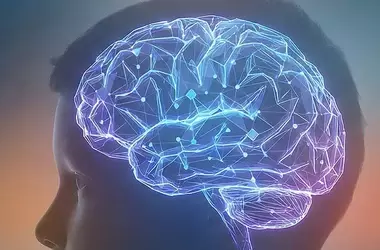
New research highlights how self-kindness profoundly influences the psychological richness experienced by teenagers. This study differentiates psychological richness from traditional concepts of happiness, defining it as a life enriched by diverse and perspective-shifting experiences. Focusing on the components of self-compassion, the findings suggest that positive traits like self-kindness and mindfulness are crucial predictors for adolescents navigating challenges, fostering a deeper understanding of the world, and preventing self-judgment from hindering their growth. Published in 'Applied Psychology: Health and Well-Being', this longitudinal study provides insights into fostering mental well-being.
 Feb 07, 2026
Brain Activity During Self-Reflection Differs in Adolescents with Borderline Personality Disorder
A new neuroimaging study reveals that adolescents diagnosed with borderline personality disorder exhibit distinct patterns of brain activation when processing their own identity. Researchers found reduced activity in the dorsolateral prefrontal cortex, a brain region critical for cognitive control, among these youths compared to their healthy peers. This research highlights the neurological underpinnings of identity disturbance in early-stage borderline personality disorder.
 Feb 05, 2026
Eye Contact Discomfort and Emotion Recognition in Autistic Individuals
New research suggests that discomfort during eye contact is not unique to individuals with an autism diagnosis but correlates with autistic traits across the general population. While this unease is common in those with higher autistic traits, it doesn't directly cause slower recognition of facial expressions. The study found that individuals with higher autistic traits exhibit slower emotion processing speeds, but this slowness is not mediated by eye contact discomfort.
 Feb 05, 2026
Genetic Predisposition Links Cleared Viral Infections to ALS-like Symptoms in Mouse Model
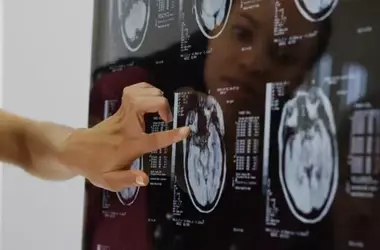
New research shows that individual genetic makeup can influence whether a temporary viral infection leads to lasting neurodegenerative disease. Scientists using genetically diverse mouse strains found that one specific strain developed severe, permanent spinal cord damage resembling ALS, even after the virus was completely cleared. This study suggests a 'hit and run' mechanism where initial viral damage can trigger independent, long-term pathological processes, providing a novel animal model for sporadic neurodegenerative conditions.
 Feb 02, 2026
Unraveling the Paradox: How Cancer May Offer Protection Against Alzheimer's
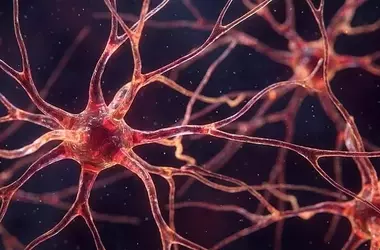
A groundbreaking study in mice has unveiled a fascinating connection between cancer and Alzheimer's disease. Researchers discovered that certain tumors might emit a protective signal to the brain, actively assisting in the clearance of amyloid-beta protein clumps associated with Alzheimer's. This research introduces a new perspective on the complex interplay between these two major diseases and suggests potential avenues for future therapeutic interventions, focusing on the protein cystatin-C.
 Feb 02, 2026
Brain Connectivity Issues Discovered in Long COVID and ME/CFS Patients During Mental Exertion
New research, published in the Journal of Translational Medicine, reveals that individuals suffering from Long COVID and Myalgic Encephalomyelitis/Chronic Fatigue Syndrome (ME/CFS) exhibit impaired neural connectivity during demanding cognitive tasks. Unlike healthy individuals whose brains strengthen connections under fatigue, patients with these conditions show disrupted signaling between crucial brain regions, potentially explaining common symptoms like brain fog and chronic exhaustion.