 Breaking News & Live Updates
- Breaking News & Live Updates
- Breaking News & Live Updates
- Breaking News & Live Updates
- Breaking News & Live Updates
- Breaking News & Live Updates
- Breaking News & Live Updates
- Breaking News & Live Updates
- Breaking News & Live Updates
- Breaking News & Live Updates
Brain Connectivity Issues Discovered in Long COVID and ME/CFS Patients During Mental Exertion
A recent study indicates that the brains of individuals afflicted with Long COVID and Myalgic Encephalomyelitis/Chronic Fatigue Syndrome (ME/CFS) demonstrate an inability to establish efficient communication pathways when confronted with mentally taxing activities. In stark contrast to healthy brains, which typically fortify their neural connections when fatigued, those with these conditions exhibit compromised or weakened signal transmission across vital brain areas. This groundbreaking investigation was documented in the Journal of Translational Medicine.
The research team's goal was to identify objective biological markers for these conditions. Maira Inderyas, a doctoral candidate at Griffith University's National Centre for Neuroimmunology and Emerging Diseases in Australia, spearheaded this study, collaborating with seasoned researchers including Professor Sonya Marshall-Gradisnik. They aimed to unravel the brain's response when pushed to its cognitive limits. The study involved almost eighty participants, including thirty-two with ME/CFS and nineteen with Long COVID, alongside a control group of twenty-seven healthy volunteers. Using a powerful 7 Tesla MRI scanner, which offers highly detailed images of deep brain structures, participants performed a cognitive challenge called the Stroop task. This task, designed to induce mental exhaustion, required participants to ignore conflicting information and focus on the correct response, thereby heavily engaging the brain's executive function and inhibitory control. The results revealed notable differences: healthy brains increased connectivity to maintain performance under fatigue, while Long COVID patients showed reduced connectivity in motivation centers and increased connectivity in memory centers, possibly as a compensatory effort. ME/CFS patients displayed heightened connectivity in brainstem regions governing automatic bodily functions, correlating with illness duration, suggesting progressive changes in brain function over time.
These findings provide biological validation for the cognitive difficulties often experienced by patients, such as memory issues, concentration problems, and slowed thinking. While acknowledging the study's limitations, such as the small sample size and potential overlap in the medical histories of ME/CFS patients concerning prior COVID-19 infections, the use of advanced 7 Tesla fMRI represents a significant leap forward in understanding these complex conditions. This novel approach uncovers neural abnormalities that conventional imaging techniques might miss, paving the way for improved diagnostic tools and more targeted therapeutic interventions in the future. Continued longitudinal research is essential to further delineate the evolution of these brain changes and their causal relationship with the illnesses.
This pioneering research underscores the profound impact of chronic illnesses like Long COVID and ME/CFS on brain function, moving beyond subjective symptom reports to reveal concrete biological underpinnings. The dedication to uncovering these hidden mechanisms offers a beacon of hope, promising a future where these debilitating conditions are better understood, accurately diagnosed, and effectively treated, ultimately enhancing the quality of life for millions worldwide.
Other Articles
 Feb 02, 2026
Bilingualism and Brain Aging: A New Perspective
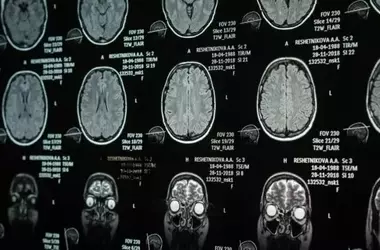
A recent large-scale study suggests that speaking multiple languages may significantly delay age-related cognitive decline. Analyzing data from over 86,000 European adults, researchers found that multilingual individuals exhibited a lower “biobehavioral age gap,” meaning they appeared biologically younger than their chronological age. This protective effect strengthens with each additional language learned, highlighting the benefits of linguistic diversity for maintaining brain health into older age.
 Feb 01, 2026
New Research Uncovers Brain Structure's Role in Physical Activity-Memory Link
New research published in the European Journal of Neuroscience reveals that physical movement may safeguard short-term numerical memory by preserving brain structure. The study, utilizing objective data from the UK Biobank, found active individuals exhibited larger brain volumes, including gray and white matter, and reduced white matter hyperintensities. These findings suggest that an active lifestyle supports cognitive health by maintaining the brain's physical integrity, particularly its processing tissue and connection fibers.
 Feb 01, 2026
The Ancient Wisdom of Virtue: A Path to Personal Well-being
New research validates ancient philosophical ideas, suggesting that virtues like compassion, patience, and self-control are not just beneficial for society but also crucial for an individual's happiness. This study challenges the modern psychological view that morality and self-interest are inherently opposed, revealing a profound connection between virtuous living and personal well-being.
 Jan 31, 2026
Psilocybin's Lasting Antidepressant Effects Linked to Neuronal Electrical Changes
A recent investigation suggests that the prolonged antidepressant impact of psychedelic substances may stem from enduring alterations in neural firing patterns, rather than the permanent formation of new brain cell connections. The research indicated that a single dose of psilocybin could modify the electrical characteristics of rat brain cells for several months, even after any physical modifications to the neurons had receded.
 Jan 31, 2026
Scientists Discover Crucial Brain Region Implicated in Bipolar Disorder Pathophysiology
Researchers have identified the paraventricular thalamic nucleus (PVT) as a key brain structure involved in bipolar disorder. Their analysis of human brain tissue revealed a significant depletion and genetic alteration of neurons within the PVT in individuals with the condition, pointing towards new diagnostic and therapeutic avenues. This finding challenges previous research focusing primarily on the brain's cortex and suggests the PVT as a primary site of pathology.
 Jan 29, 2026
Exercise Improves Mental Health by Reducing Stress and Negative Thoughts
New research published in "Psychological Medicine" reveals that structured exercise programs enhance mental health by modifying how individuals manage stress and intrusive thoughts. The study, a secondary analysis of the ImPuls trial, demonstrates that physical activity decreases overall psychiatric symptoms by lowering perceived stress and interrupting repetitive negative thinking patterns. These findings highlight the specific cognitive and emotional processing changes that drive the psychological benefits of exercise.