 Breaking News & Live Updates
- Breaking News & Live Updates
- Breaking News & Live Updates
- Breaking News & Live Updates
- Breaking News & Live Updates
- Breaking News & Live Updates
- Breaking News & Live Updates
- Breaking News & Live Updates
- Breaking News & Live Updates
- Breaking News & Live Updates
Music's Impact on Memory in Older Adults and Alzheimer's Patients
A recent study highlights the potential of musical engagement to bolster memory functions in older individuals, including those in the early stages of Alzheimer's disease. Researchers observed that exposure to music directly following the acquisition of new information could significantly enhance memory retention. The findings, published in the esteemed journal *Memory*, suggest a dual role for music: emotionally stirring tunes can strengthen certain types of recall, while serene melodies might assist in softening the impact of unpleasant memories. This points towards accessible, music-driven strategies for supporting cognitive health.
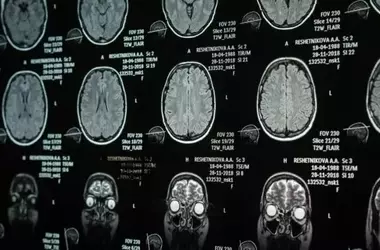
Alzheimer's disease progressively damages crucial neurological structures, particularly the hippocampus and entorhinal cortex, which are essential for forming new episodic memories. This degeneration leads to difficulties in recalling recent events and details. A common early symptom is false recognition, where new information is mistakenly identified as familiar. This phenomenon stems from dual-process theories of memory, differentiating between detailed recollection and a general sense of familiarity. In Alzheimer's, detailed recollection declines faster than familiarity, causing patients to rely on a vague sense of having encountered something before, leading to false positives. Mitigating these errors is a key objective for cognitive interventions. Intriguingly, while specific memory systems deteriorate, the brain's capacity for processing emotions often remains relatively intact, and emotional events are typically remembered more vividly due to the amygdala's role in processing emotional arousal and its interaction with the hippocampus to consolidate emotional memories. This suggests that stimulating the amygdala could strengthen associated memories. Building on previous research showing music's ability to evoke strong emotional responses and activate reward systems, the current study investigated whether music could serve as such a stimulus in older adults and Alzheimer's patients.
The study involved 186 participants from Argentina, evenly split between healthy older adults and those with mild Alzheimer's. The inclusion of individuals with varying educational backgrounds broadened the study's applicability. Participants engaged in two sessions a week apart. In the first session, they viewed a series of 36 emotionally varied images. Afterward, they were divided into three groups: one listened to emotionally arousing music (Haydn's Symphony No. 70), another to relaxing music (Pachelbel's Canon in D Major), and a control group listened to white noise. Immediate memory tasks followed, including recalling and recognizing pictures. One week later, participants repeated these tasks to assess long-term memory. The results showed that emotional memory was largely preserved in both groups, confirming the robust nature of emotional information processing even amid cognitive decline. For healthy older adults, emotionally arousing music led to better delayed recall of positive and neutral pictures, suggesting that physiological arousal consolidates memories. For Alzheimer's patients, the stimulating music reduced false recognition errors, improving their ability to distinguish between seen and unseen images. Surprisingly, relaxing music decreased the recognition of negative pictures in both groups. Moltrasio noted this unexpected finding could have implications for treatments for conditions like PTSD. She emphasized that even non-familiar music had a significant impact, supporting the synaptic tagging hypothesis, where music provides the stimulation needed to solidify memories.
These findings offer a beacon of hope for individuals experiencing memory loss. The research demonstrates that even simple, easily implemented interventions like listening to music can have a positive impact. Such low-cost approaches are particularly crucial for diverse populations, including those with lower educational attainment, often underrepresented in neuroscience research. While the observed effects were not dramatic, their statistical significance marks a pioneering step in proving music's efficacy in improving memory for Alzheimer's patients post-learning. Future research aims to delve deeper into the mechanisms, exploring the impact of familiar music, active musical engagement, and the recognition of emotions in music on cognitive function, offering potential pathways to targeted, non-pharmacological therapies that build on individuals' existing abilities and contribute to a more inclusive and effective approach to managing memory decline.
Other Articles
 Dec 19, 2025
Escitalopram Normalizes Brain Activity in Social Anxiety Disorder, Study Reveals
A recent study conducted in Finland investigated the impact of escitalopram on brain activity in individuals with social anxiety disorder. Researchers found that this medication helps normalize the activation of the left inferior frontal gyrus, a brain region involved in self-referential processing, particularly when individuals confront negative self-evaluations. This finding suggests a potential neural mechanism through which escitalopram alleviates symptoms of social anxiety.
 Dec 19, 2025
Computer-Assisted Therapy Reshapes Brain Connectivity in Depression
A new study reveals that computer-assisted cognitive behavioral therapy (CCBT) effectively reduces depression symptoms by nearly 50% and induces significant changes in brain connectivity. Published in 'Molecular Psychiatry,' the research indicates that CCBT strengthens connections between the prefrontal cortex and deeper emotional regulation centers, offering a more accessible and cost-effective treatment alternative.
 Dec 19, 2025
Happiness Fuels Self-Control: A New Perspective on Psychological Well-being
Groundbreaking research challenges the traditional belief that self-control directly leads to happiness. Instead, a study published in "Social Psychological and Personality Science" indicates that a positive psychological state is a prerequisite for effective self-control. This suggests that fostering emotional health may be a more effective path to achieving long-term objectives than solely relying on willpower. The findings urge individuals to prioritize well-being as a cornerstone for enhancing discipline and pursuing personal growth.
 Dec 15, 2025
Musical Training May Postpone Age-Related Hearing Decline by a Decade
A recent study indicates that individuals with musical training may experience a delayed onset of age-related hearing decline, specifically in their ability to understand speech in noisy environments. The research, published in the 'Journal of Otology,' compared musicians and non-musicians across various age groups, revealing that while this ability generally diminishes with age, the decline is significantly slower and less pronounced in those with musical backgrounds. This suggests that engaging in musical activities could potentially offer a protective effect against age-related cognitive auditory deterioration.
 Dec 13, 2025
Narrative Patterns in Autistic Individuals and Their Siblings
A recent study published in the Journal of Autism and Developmental Disorders reveals distinct narrative patterns in autistic individuals and their non-autistic siblings. Researchers found that these groups, when constructing stories from picture sequences, tend to employ fewer causal explanations and descriptions of characters' thoughts and feelings compared to neurotypical controls. This research highlights unique cognitive processing in ASD and suggests a potential genetic influence on narrative style within affected families, offering new insights into how individuals on the spectrum organize and interpret social information in storytelling.
 Dec 12, 2025
Understanding Maladaptive Coping in Socially Anxious Adolescents
New research reveals that adolescents grappling with social anxiety frequently depend on unhelpful mental strategies to navigate everyday stress. These young individuals possess positive coping abilities but tend to over-rely on detrimental habits like excessive worry. This behavioral pattern remains consistent across age and gender, shedding light on a critical area for intervention in managing adolescent social anxiety.